Where is Fitbit’s Smartwatch? The Current Landscape and Future Trajectory
Fitbit’s smartwatch presence, once a dominant force in the wearables market, has undergone a significant evolution since its acquisition by Google in 2021. The question of "where is Fitbit’s smartwatch?" is no longer about a single, distinct product line but rather about its integration into Google’s broader wearable ecosystem and the strategic direction Fitbit is taking. While Fitbit continues to produce its own branded devices, the lines are blurring with Google’s Pixel Watch. Understanding Fitbit’s current smartwatch standing requires examining its product portfolio, its relationship with Google hardware, and the strategic advantages and challenges of this integration. Fitbit’s commitment to health and fitness tracking remains its core differentiator, and its smartwatches are designed to leverage this strength while incorporating the advanced functionalities expected from a modern smartwatch. This means a continued focus on comprehensive activity tracking, sleep monitoring, heart rate measurement, and stress management, all presented within a user-friendly interface. Simultaneously, the integration with Google’s services is progressively enhancing these devices with features like Google Assistant, Google Maps, Google Pay, and access to a wider range of apps through the Google Play Store. The future of Fitbit smartwatches is intrinsically linked to Google’s ambitious plans for wearables, suggesting a convergence of Fitbit’s robust health data capabilities with Google’s smart platform prowess.
Fitbit’s Current Smartwatch Offerings: A Diversified Portfolio
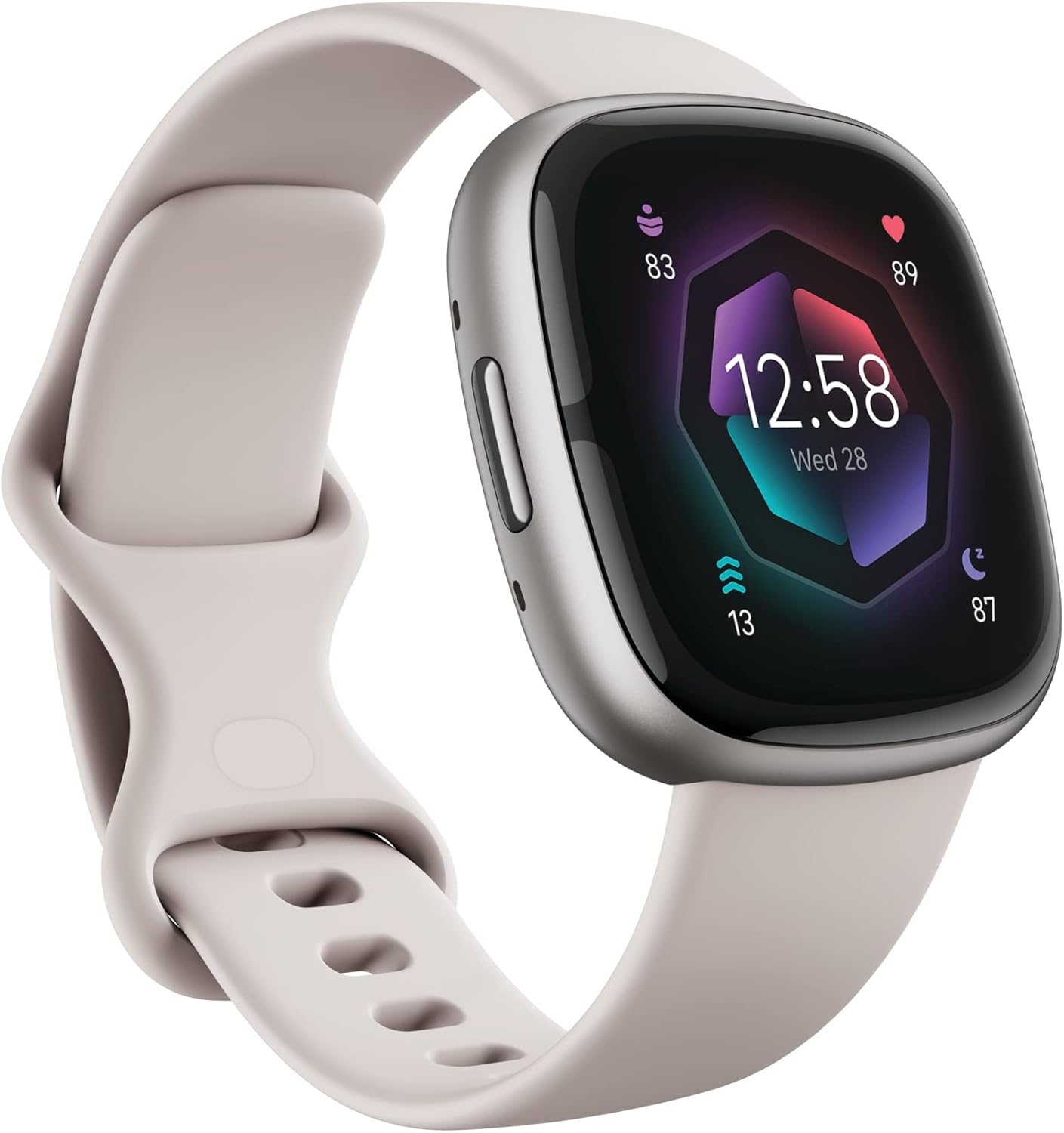
Fitbit offers a range of smartwatches catering to different user needs and budgets, each designed to capitalize on its established reputation for health and fitness tracking. The Fitbit Sense series, particularly the Sense 2, stands as Fitbit’s flagship smartwatch, emphasizing advanced health metrics. It boasts an ECG app for detecting signs of atrial fibrillation, a continuous electrodermal activity (cEDA) sensor for stress tracking, blood oxygen saturation (SpO2) monitoring, and on-wrist skin temperature sensing. These features are crucial for users deeply invested in understanding their body’s physiological responses. The Sense 2, in particular, has seen an increased integration of Google’s Wear OS, bringing features like Google Maps and Google Pay directly to the wrist, alongside the traditional Fitbit experience of sleep scores, active zone minutes, and guided breathing exercises.
The Fitbit Versa line, exemplified by the Versa 4, continues to be a popular choice, offering a balanced blend of fitness tracking and smartwatch capabilities at a more accessible price point than the Sense. While it may omit some of the most advanced health sensors found on the Sense, it still provides robust activity tracking, heart rate monitoring, sleep tracking, and SpO2 monitoring. The Versa 4 also benefits from Wear OS integration, enhancing its utility for notifications, music control, and contactless payments. This makes it an attractive option for individuals seeking a comprehensive fitness tracker that doubles as a capable smartwatch without the premium cost associated with specialized health devices.
For users prioritizing a more streamlined and sport-focused experience, the Fitbit Charge series, while often positioned as a fitness band, has evolved to incorporate smartwatch-like features, with the Charge 6 being a prime example. It offers an OLED display, built-in GPS for accurate outdoor activity tracking, and a comprehensive suite of health metrics. The Charge 6’s integration with Google services, including a built-in Google Assistant and the ability to control YouTube Music, further blurs the lines between fitness trackers and full-fledged smartwatches, demonstrating Fitbit’s strategy of embedding smartwatch functionalities into its entire wearable lineup.
Beyond these core models, Fitbit also offers the Fitbit Inspire series, which, while more budget-friendly and primarily fitness-focused, still provides essential tracking features and smart notifications, making it a gateway for users to enter the Fitbit ecosystem. The continuity of these product lines, even under Google’s ownership, indicates a strategic decision to maintain Fitbit’s brand identity and cater to its existing user base while gradually integrating new functionalities.
The Google Integration: A Synergistic Evolution
The acquisition of Fitbit by Google has undeniably reshaped the landscape of Fitbit’s smartwatches. The most significant aspect of this integration is the phased adoption of Google’s Wear OS on Fitbit devices. Initially, Fitbit devices ran on their proprietary operating system, offering a highly optimized experience for fitness tracking but with limited app support and smartwatch functionalities. The introduction of Wear OS, particularly on newer models like the Sense 2 and Versa 4, marks a deliberate shift towards a more unified Google ecosystem for wearables.
This integration brings a wealth of Google’s core services directly to Fitbit devices. Google Assistant allows for voice commands to set reminders, check the weather, control smart home devices, and much more. Google Maps provides turn-by-turn navigation on the wrist, a highly convenient feature for runners, cyclists, and anyone navigating unfamiliar environments. Google Pay enables contactless payments, streamlining transactions and reducing the need to carry a physical wallet. Furthermore, the Wear OS platform opens up access to the Google Play Store, allowing users to download a wider array of third-party apps, from music streaming services to productivity tools, significantly expanding the functionality of Fitbit smartwatches beyond just health tracking.
However, this integration is not without its complexities and has been met with varying user reception. Some long-time Fitbit users have expressed concerns about the trade-offs, such as a potentially shorter battery life compared to older, proprietary OS devices, and a different user interface that might require a learning curve. Google’s approach appears to be a delicate balancing act: to leverage Fitbit’s strengths in health and wellness while infusing its own ecosystem’s smart capabilities. The goal is to create a compelling hybrid experience that offers the best of both worlds – deep health insights coupled with the convenience and connectivity of a modern smartwatch. This evolutionary process is ongoing, and future Fitbit smartwatches are expected to see even deeper integration and optimization of Wear OS, potentially leading to a more seamless experience between Fitbit’s health features and Google’s broader smart platform.
Strategic Importance for Google and the Future of Fitbit Smartwatches
For Google, Fitbit represents a crucial strategic asset in its long-term vision for the wearable market. The acquisition provided Google with a significant user base, established brand loyalty, and a wealth of health data that could be leveraged to enhance its AI and machine learning capabilities. By integrating Fitbit’s hardware and software with its own Wear OS platform, Google aims to compete more effectively with established players like Apple in the smartwatch arena. The wearables market is projected for substantial growth, and Google’s investment in Fitbit signifies its commitment to capturing a significant share of this expanding segment.
The future of Fitbit smartwatches is thus intrinsically linked to Google’s broader wearable strategy. One key area of focus is the development of a more unified experience across Google’s hardware offerings, including Pixel Watches and Fitbit devices. This could lead to a scenario where Fitbit devices become the primary health and fitness-focused wearables within the Google ecosystem, while Pixel Watches might cater to a broader smartwatch audience with a stronger emphasis on general productivity and app integration. The distinct brand identities of Fitbit and Pixel Watch are likely to persist, but their underlying technology and software will become increasingly intertwined.
Another significant aspect of this future is the utilization of Fitbit’s extensive health data. Google has consistently emphasized its commitment to privacy, but the potential to analyze aggregated and anonymized health data from millions of Fitbit users is immense. This data can fuel advancements in predictive health, personalized wellness recommendations, and the development of new health-related features and services. The integration of Fitbit’s comprehensive sleep tracking, stress management tools, and activity data with Google’s AI could lead to groundbreaking innovations in preventative healthcare and overall well-being.
Furthermore, Google’s expertise in AI and machine learning will likely be applied to further enhance the analytical capabilities of Fitbit smartwatches. Expect to see more sophisticated insights into personal health trends, personalized coaching, and proactive health alerts. The long-term vision may even involve deeper integration with Google’s healthcare initiatives and partnerships, positioning Fitbit devices as valuable tools for individuals seeking to manage their health proactively and in conjunction with professional medical guidance. The journey of Fitbit’s smartwatch is not just about hardware; it’s about a data-driven, AI-powered evolution of personal health and wellness technology, guided by Google’s expansive technological reach and strategic ambitions.

