
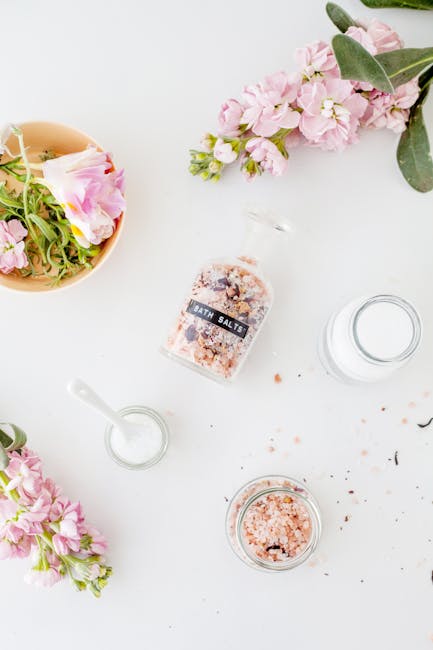
Elevate Your Bath Ritual: A Comprehensive Guide to Crafting Your Own Infused Bath Salts
Creating your own infused bath salts transcends a simple DIY project; it’s a profound act of self-care, a sensory journey that transforms a mundane soak into a restorative spa experience. The benefits are manifold: personalized aromatherapy tailored to your mood, the therapeutic properties of mineral-rich salts, and the sheer satisfaction of crafting something beautiful and beneficial with your own hands. This comprehensive guide will equip you with the knowledge and techniques to formulate exquisite infused bath salts, from understanding the foundational ingredients to mastering advanced infusion methods, ensuring you can create blends that soothe, invigorate, detoxify, and inspire.
At its core, bath salt formulation relies on a harmonious blend of base salts and carefully selected infusions. The most common and effective base salt is Epsom salt (magnesium sulfate). Renowned for its ability to ease muscle aches and pains, reduce inflammation, and promote relaxation, Epsom salt is an indispensable component. Its porous nature also makes it an excellent vehicle for absorbing and retaining essential oils and botanical essences. Another valuable base salt is Himalayan pink salt. Rich in minerals like potassium, magnesium, and calcium, it offers detoxifying properties and contributes a subtle, earthy aroma. Sea salt, whether coarse or fine, adds further mineral complexity and a delightful textural element. For those seeking intense detoxification, Dead Sea salt is unparalleled, boasting a high concentration of therapeutic minerals known to improve skin conditions and stimulate circulation. A balanced blend of these salts often yields the most beneficial and aesthetically pleasing results, but understanding the individual properties allows for targeted therapeutic outcomes. Experimentation with ratios is key; a common starting point is a 2:1 ratio of Epsom salt to other mineral salts, but this can be adjusted based on desired texture and mineral profile.
The magic of infused bath salts lies in their aromatic and therapeutic additions. Essential oils are the cornerstone of aromatherapy in bath salt formulations. Each essential oil possesses unique therapeutic properties and distinct aromas. Lavender, a perennial favorite, is celebrated for its calming and sleep-promoting qualities, ideal for evening soaks. Peppermint, with its invigorating and cooling scent, is perfect for a morning revitalization or for soothing tired muscles after physical exertion. Eucalyptus and tea tree oil are potent decongestants and antibacterial agents, making them excellent choices for respiratory support and to combat minor skin irritations. Citrus oils like lemon and grapefruit are uplifting and energizing, banishing fatigue and boosting mood. For a touch of exotic indulgence, consider frankincense for its grounding and meditative properties or ylang-ylang for its mood-enhancing and aphrodisiac qualities. The quality of your essential oils is paramount. Opt for pure, therapeutic-grade essential oils from reputable suppliers. Carrier oils, while not directly infused into the dry salt, can be used to dilute potent essential oils before adding them to the salt, reducing the risk of skin irritation. A small amount of a carrier oil like fractionated coconut oil, jojoba oil, or almond oil can be mixed with essential oils and then blended thoroughly with the salts, ensuring even distribution.
Beyond essential oils, dried herbs and botanicals offer a visual feast and contribute subtle aromatic and therapeutic nuances. Lavender buds, rose petals, chamomile flowers, peppermint leaves, and calendula petals are popular choices. These botanicals not only enhance the visual appeal of the bath salts, transforming them into miniature works of art, but they also release their beneficial compounds into the bathwater. For instance, rose petals are known for their skin-softening and mood-lifting properties, while chamomile offers a gentle, calming effect. When incorporating dried herbs, ensure they are finely chopped or ground to prevent them from clogging drains. A fine mesh strainer or a muslin bag can be used during the bath to contain the botanicals. The method of infusion for botanicals can vary. Some opt for direct inclusion in the dry salt mixture, while others prefer to create a botanical infusion first.
Creating a botanical infusion involves steeping dried herbs in a carrier oil or hot water. For oil infusions, dried herbs are combined with a carrier oil in a clean jar and left to infuse for several weeks in a cool, dark place, shaking periodically. This oil can then be incorporated into the bath salts. Alternatively, a concentrated herbal tea can be brewed using boiling water and dried herbs, allowed to steep, strained, and then slowly dried out to create a potent herbal powder to add to the salts. This drying process is crucial to prevent mold and mildew formation within the bath salt mixture. Dehydrators or very low oven temperatures can be employed for this purpose.
The process of making infused bath salts is straightforward but requires attention to detail to ensure longevity and efficacy. Begin by selecting your base salts and desired essential oils and botanicals. In a large, clean bowl, combine your chosen salts. If using a blend, mix them thoroughly. Next, in a separate small bowl, combine your essential oils with a small amount of carrier oil, if using. This step helps to disperse the essential oils evenly throughout the salt mixture. Gradually add the essential oil blend to the salts, mixing thoroughly with a spoon or your hands. It’s vital to mix well to ensure each grain of salt is coated with the aromatic oils. If incorporating dried botanicals, add them at this stage and mix gently.
For a more potent infusion, consider an enhanced blending technique. After initially mixing the salts and oils, spread the mixture thinly on a baking sheet lined with parchment paper. Allow it to air dry for at least 24 hours in a cool, dry, well-ventilated area. This allows the essential oils to fully permeate the salt crystals and for any residual moisture from the botanicals to evaporate, preventing clumping and extending shelf life. Stir the mixture occasionally during the drying period to ensure even evaporation.
Proper storage is paramount for maintaining the potency and integrity of your infused bath salts. Once completely dry, transfer the bath salts to airtight containers. Glass jars with tight-fitting lids are ideal. Avoid plastic containers, as essential oils can degrade plastic over time and potentially leach into the salts. Store the containers in a cool, dark place, away from direct sunlight and humidity. This prevents the essential oils from evaporating prematurely and the salts from clumping. Properly stored, your infused bath salts can retain their aromatic and therapeutic qualities for several months.
When it comes to customization, the possibilities are virtually endless. Consider creating themed bath salt blends. A "Stress Relief" blend might feature Epsom salt, lavender essential oil, chamomile flowers, and a touch of frankincense. An "Energy Boost" blend could incorporate sea salt, peppermint essential oil, lemon essential oil, and a sprinkle of dried citrus peel. For muscle recovery, a blend of Epsom salt, eucalyptus essential oil, and rosemary essential oil is highly effective.
For those seeking a more profound detoxification, consider incorporating activated charcoal into your bath salt recipe. Activated charcoal is known for its ability to draw out impurities from the skin. Use sparingly, as it can be messy, and be sure to blend it thoroughly to avoid staining your bathtub. Similarly, bentonite clay can be added for its detoxifying and skin-purifying properties. When using clays, it’s advisable to mix them with a small amount of liquid (like witch hazel or water) to form a paste before incorporating them into the dry salt mixture to ensure even distribution and prevent clumping.
Beyond essential oils and botanicals, consider other beneficial additions. A small amount of finely ground oats can add a soothing, skin-softening element, particularly beneficial for sensitive or dry skin. A few drops of vitamin E oil can offer antioxidant benefits and further skin nourishment. For a touch of luxury, consider adding a whisper of mica powder for a subtle shimmer. Ensure the mica powder is cosmetic-grade and safe for skin contact.
When formulating your bath salts, it’s important to be mindful of the concentration of essential oils. A general guideline is to use between 0.5% and 2% essential oil by weight of the salt. For a standard 1-pound (454g) batch of bath salts, this translates to approximately 2.2 to 9 grams of essential oil, or roughly 45 to 180 drops, depending on the density of the oil. It is always better to start with a lower concentration and add more if desired, as some essential oils can be potent and may cause skin irritation if used in excessive amounts. Always perform a patch test on a small area of skin before using a new blend extensively, especially if you have sensitive skin or are pregnant or nursing.
Consider the therapeutic goals for your bath salt blends. If the primary objective is pain relief, prioritize Epsom salt and muscle-soothing essential oils like peppermint, eucalyptus, and marjoram. For relaxation, focus on lavender, chamomile, and bergamot. If skin rejuvenation is the aim, incorporate salts rich in minerals like Dead Sea salt and Dead Sea salt and add essential oils known for their skin-loving properties, such as frankincense and rose.
The visual appeal of your bath salts can also be enhanced. Layering different colored salts and botanicals in your storage container creates a visually stunning product. For example, a layer of pink Himalayan salt topped with lavender buds and a sprinkle of blue cornflower petals offers a beautiful contrast. When gifting your homemade bath salts, consider the packaging. Attractive glass jars with decorative labels, tied with ribbon or twine, elevate the presentation and convey thoughtfulness. Small muslin bags filled with the bath salts are also a charming and practical option for individual servings.
For those who prefer a simpler approach or have limited access to a wide array of essential oils, a good quality unscented bath salt can be the foundation for a basic yet effective soak. The mineral benefits of the salts themselves are significant. However, the power of aromatherapy in transforming the bath experience is undeniable. Experimentation is the key to unlocking your personal preferences and creating bath salt blends that are perfectly tailored to your needs and desires.
In conclusion, the art of crafting infused bath salts is an accessible and deeply rewarding endeavor. By understanding the properties of various salts, the therapeutic benefits of essential oils, and the aesthetic contributions of botanicals, you can create personalized blends that transform your bath into a sanctuary of relaxation, rejuvenation, and well-being. From the initial selection of ingredients to the final storage, each step is an opportunity to infuse your creations with intention and care, resulting in a truly bespoke spa experience in the comfort of your own home.

