
6 Leg Activation Exercises to Jumpstart Your Daily Workout
Optimal leg activation is paramount for maximizing workout effectiveness, injury prevention, and overall athletic performance. Before diving into heavier compound lifts or more demanding cardiovascular activities, a targeted activation sequence primes the muscles of the lower body, improving neuromuscular communication, increasing blood flow, and preparing the joints for movement. This not only enhances your ability to recruit muscle fibers during the main session but also significantly reduces the risk of strains, sprains, and other common workout-related injuries. Neglecting this crucial preparatory phase can lead to suboptimal performance, premature fatigue, and a compromised training outcome. This article outlines six essential leg activation exercises, detailing their execution, benefits, and ideal integration into a pre-workout routine, ensuring your legs are primed for whatever your training demands.
1. Bodyweight Squats
The bodyweight squat is a foundational movement that engages a vast network of muscles within the lower body, including the quadriceps, hamstrings, glutes, and adductors, while also recruiting core stabilizers. Its simplicity belies its effectiveness in preparing the hips, knees, and ankles for more complex movements. Proper execution is key to reaping its activation benefits. Begin by standing with your feet hip-width to shoulder-width apart, toes pointing slightly outward. Maintain a neutral spine, chest up, and core engaged. Initiate the movement by pushing your hips back as if sitting into a chair, simultaneously bending your knees. Descend until your thighs are parallel to the floor, or as deep as your mobility allows without compromising form. Ensure your knees track over your toes and do not collapse inward. Drive through your heels to return to the starting position, squeezing your glutes at the top. For activation purposes, focus on controlled, deliberate repetitions, aiming for 10-15 reps. The slower tempo enhances muscle engagement and proprioception. The primary benefit of bodyweight squats in an activation context is their ability to:
- Increase Blood Flow: The large muscle groups involved lead to a significant increase in circulation to the lower body, delivering oxygen and nutrients essential for performance.
- Improve Hip and Knee Mobility: The squat pattern actively works through the full range of motion of the hips and knees, lubricating the joints and improving their readiness for load.
- Activate the Glutes: By focusing on the hip hinge and the glute squeeze at the top, you ensure these powerful muscles are firing effectively, which is crucial for most lower body movements.
- Enhance Proprioception: The controlled nature of the movement improves your body’s awareness of its position in space, vital for maintaining balance and stability during more dynamic exercises.
- Warm Up the Quadriceps and Hamstrings: These primary movers are gently loaded and stretched, preparing them for the more strenuous demands of your main workout.
2. Glute Bridges
Glute bridges are a highly effective exercise for isolating and activating the gluteal muscles, particularly the gluteus maximus, which is often underutilized in daily life and can lead to compensatory patterns during exercise. Weak glutes can contribute to lower back pain, poor posture, and inefficient movement mechanics. This exercise directly targets these crucial muscles, ensuring they are engaged and ready to perform. Lie on your back with your knees bent and feet flat on the floor, hip-width apart. Your arms should be resting at your sides, palms down. Engage your core and glutes, and lift your hips off the ground by squeezing your glutes. Aim to create a straight line from your shoulders to your knees at the peak of the movement. Avoid arching your lower back; the movement should originate from the glutes, not the lumbar spine. Hold the contraction at the top for a second or two before slowly lowering your hips back down to the starting position. For activation, perform 15-20 controlled repetitions. The emphasis here is on the gluteal squeeze and maintaining tension throughout the movement. The key benefits of glute bridges as a leg activation exercise include:
- Direct Glute Activation: This exercise is unparalleled in its ability to isolate and engage the gluteus maximus and medius, which are critical for hip extension and stability.
- Improve Hip Extension Strength: By practicing the motion of hip extension against resistance, you prime the muscles responsible for driving force during squats, lunges, and running.
- Counteract Sedentary Behavior: For individuals who spend significant time sitting, glute bridges are essential for re-awakening dormant glute muscles.
- Enhance Pelvic Stability: Strong glutes contribute significantly to pelvic stability, reducing the risk of lower back strain and improving overall movement efficiency.
- Gentle Hamstring Engagement: While primarily targeting the glutes, hamstrings are also engaged as secondary movers, contributing to a more balanced lower body warm-up.
3. Walking Lunges (Bodyweight)
Walking lunges are a dynamic, unilateral exercise that challenges balance, coordination, and strength while promoting significant activation in the quadriceps, hamstrings, and glutes. The alternating nature of the lunge strengthens each leg independently, addressing potential imbalances and preparing the body for movements that require single-leg stability. Begin by standing tall with your feet hip-width apart. Step forward with one leg, lowering your hips until both knees are bent at approximately 90-degree angles. Ensure your front knee is directly over your ankle and your back knee hovers just above the ground. Maintain an upright torso and a stable core. The front leg should be doing the majority of the work, with your front quad and glute engaging to drive you forward. Push off with your back foot and bring it forward to meet your front foot, transitioning into the next lunge with the opposite leg. For activation, aim for 10-12 lunges per leg, focusing on controlled movement and proper form rather than speed. The benefits of walking lunges for leg activation include:
- Unilateral Strength Development: By working one leg at a time, you identify and address any strength discrepancies between your left and right legs, which can lead to inefficient movement and injury.
- Improved Balance and Coordination: The stepping motion and need to maintain stability require significant engagement of proprioceptors and core muscles.
- Comprehensive Muscle Engagement: Lunges effectively target the quadriceps, hamstrings, and glutes, while also engaging the hip flexors and calf muscles.
- Dynamic Hip Mobility: The deep stretch in the hip flexor of the trailing leg and the range of motion in the front hip contribute to improved hip mobility.
- Increased Proprioceptive Feedback: The act of stepping and balancing provides valuable sensory information to the nervous system, enhancing neuromuscular control.
4. Calf Raises (Standing)
While often overlooked, strong and well-activated calf muscles are crucial for explosive power, ankle stability, and efficient locomotion. The gastrocnemius and soleus muscles in the calf play a vital role in plantarflexion, the action of pointing your toes downward, which is fundamental for activities like jumping, running, and even walking. Standing calf raises are a simple yet effective way to target these muscles and improve their readiness. Stand with your feet hip-width apart, with the balls of your feet on the edge of a stable elevated surface (like a step or weight plate) so your heels can drop below the level of your toes. You can hold onto a wall or stable object for balance. Slowly rise up onto the balls of your feet, engaging your calf muscles as much as possible. Aim to achieve a full range of motion, pushing up as high as you can. Hold the contraction at the top for a second, feeling the squeeze in your calves. Then, slowly lower your heels down below the level of the step, feeling a stretch in your calf muscles. For activation, perform 15-20 repetitions, focusing on a controlled tempo and a full stretch and contraction. The benefits of incorporating calf raises into your activation routine include:
- Ankle Joint Preparation: The movement directly warms up the ankle joint and the muscles surrounding it, improving flexibility and reducing the risk of ankle sprains.
- Plantarflexion Strength Activation: This exercise specifically targets the muscles responsible for pushing off the ground, essential for power generation in most lower body activities.
- Improved Proprioception in the Foot and Ankle: The controlled movement and stretch enhance the body’s awareness of its foot and ankle position.
- Enhanced Blood Flow to the Lower Legs: While smaller muscle groups, activating the calves contributes to overall circulation in the lower extremities.
- Preparation for Explosive Movements: Well-activated calves are crucial for the final push-off phase of jumps and sprints.
5. Hip Abduction (Standing Banded)
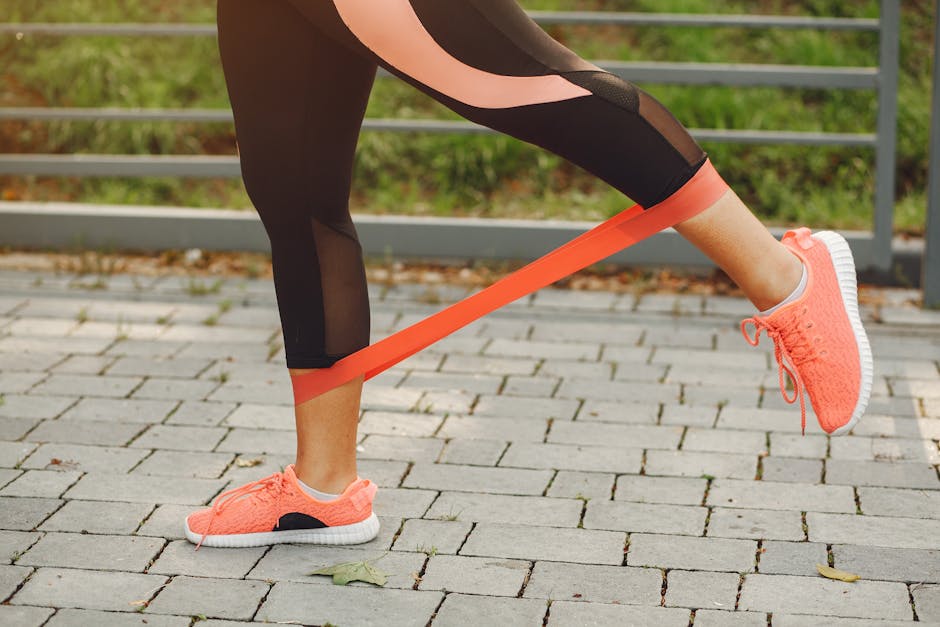
Hip abduction, the movement of taking your leg away from the midline of your body, is primarily controlled by the gluteus medius and gluteus minimus muscles. These muscles are critical for pelvic stability, particularly during single-leg stance, and play a significant role in preventing knee valgus (inward collapsing of the knee) during activities like squatting and running. Standing hip abduction with a resistance band is an excellent way to isolate and activate these often-underworked stabilizers. Place a loop resistance band around your ankles. Stand with your feet hip-width apart, core engaged, and a slight bend in your knees. Keeping your working leg relatively straight and your hips square (avoid leaning or twisting), slowly move one leg out to the side, away from your body. Focus on initiating the movement from your hip, feeling the contraction in the outer hip and glute area. Move only as far as you can control without your hips tilting or your body compensating. Slowly return the leg to the starting position with control. For activation, perform 12-15 repetitions per leg, focusing on the mind-muscle connection and the squeeze. The benefits of standing banded hip abduction for leg activation are:
- Targeted Gluteus Medius and Minimus Activation: This exercise directly isolates and fires these crucial hip abductor muscles, which are vital for stability and injury prevention.
- Improved Pelvic Stability: Strong hip abductors help maintain a level pelvis during single-leg activities, reducing strain on the lower back and knees.
- Prevention of Knee Valgus: By strengthening the muscles that pull the knee outward, you help counter the tendency for the knee to collapse inward during loaded movements.
- Enhanced Balance and Proprioception: The exercise challenges your balance, requiring greater engagement of stabilizer muscles and improving your body’s awareness of its position.
- Prepares for Lateral Movements: This activation is particularly beneficial for sports and activities that involve side-to-side movement.
6. Hamstring Curls (Lying or Standing, Bodyweight or Light Band)
The hamstrings, located at the back of the thigh, are responsible for knee flexion (bending the knee) and hip extension. They often work in conjunction with the glutes, and a balanced approach to their activation is essential. Lying or standing hamstring curls, even with just bodyweight or a light resistance band, can effectively pre-fatigue and activate these muscles. For lying hamstring curls, lie face down on the floor with your legs extended. You can also use a stability ball or a glute-ham raise machine if available. For standing, you can loop a light resistance band around an anchor point at shin height and secure the other end around your ankle. Keeping your core engaged and your hips pressed into the floor (or your body stable), slowly bend your knees, bringing your heels towards your glutes. Focus on squeezing your hamstrings throughout the movement. Slowly extend your legs back to the starting position with control. For activation purposes, aim for 12-15 repetitions per leg, focusing on the contraction and avoiding momentum. The benefits of incorporating hamstring curls into your activation include:
- Direct Hamstring Muscle Engagement: This exercise directly targets the hamstrings, ensuring they are primed for subsequent movements like deadlifts and squats.
- Improved Knee Flexion Strength: Warming up the muscles responsible for bending the knee prepares them for eccentric loading (lengthening under tension) during activities like running and jumping.
- Balanced Posterior Chain Activation: By activating the hamstrings alongside the glutes, you create a more balanced and effective posterior chain warm-up.
- Reduced Risk of Hamstring Strains: Pre-fatiguing the hamstrings can help prevent them from being overloaded during more demanding exercises.
- Enhanced Proprioception in the Back of the Thigh: The controlled movement improves the body’s awareness of the hamstring muscles.
Integrating Activation into Your Routine
These six exercises can be performed as a circuit with minimal rest between them. Aim for 1-2 rounds of each exercise, focusing on quality of movement over quantity. The entire activation sequence should ideally take between 5-10 minutes, serving as a bridge between your general warm-up (light cardio like jogging or dynamic stretching) and your main workout. By dedicating a few minutes to these targeted leg activation exercises, you set yourself up for a more productive, safer, and effective training session. Prioritizing this crucial preparatory phase will yield significant dividends in both your immediate performance and your long-term training progress. The key is consistency; make leg activation a non-negotiable part of your pre-workout routine to unlock your lower body’s full potential.

