How to Get Gloriously Lost in Venice: A Masterclass in Urban Disorientation
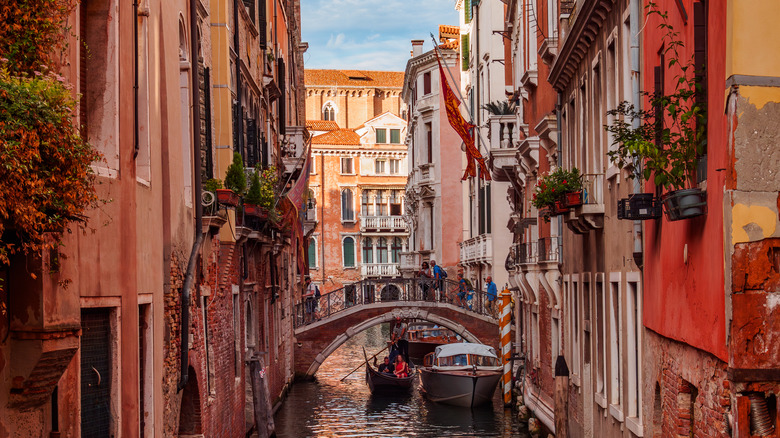
To truly experience Venice is to embrace its labyrinthine nature. Forget the rigid itinerary, the meticulously planned photo stops, and the relentless pursuit of ticking off every guidebook entry. The magic of Venice lies not in conquering it, but in surrendering to it, allowing its serpentine calle, hidden campi, and unexpected vistas to guide you. Getting lost here isn’t a failure of navigation; it’s the ultimate achievement, a rite of passage that unlocks the city’s authentic soul. This is a guide to intentionally shedding the map and embracing the sublime art of Venetian disorientation.
The first and most crucial step in getting lost is to actively resist the siren call of directional certainty. Your smartphone, that ubiquitous tether to organized reality, is your primary antagonist. Turn off your GPS. Forbid yourself from consulting Google Maps. The digital crutch will only pull you back to the well-trodden paths, the thronged piazzas, and the souvenir shops. Instead, rely on your innate sense of direction, or more accurately, your willingness to forgo it. Venice is a city that rewards the lost. Its very structure is designed for exploration. Unlike a grid-based city, Venice is an organic sprawl, a haphazard collection of islands connected by bridges and waterways, with no discernible order. This inherent disarray is its greatest asset for the traveler seeking genuine discovery.
Begin your intentional disorientation in the Dorsoduro sestiere, a district often lauded for its artistic heritage and more relaxed atmosphere, yet still boasting enough intricate alleyways to quickly confuse even the most seasoned navigator. Eschew the direct routes to the Accademia Gallery or the Peggy Guggenheim Collection. Instead, find a small, unmarked bridge and cross it. Follow the narrowest calle you can find, the one that appears to lead nowhere. Listen to the sounds. The rhythmic lapping of water against ancient stone, the distant murmur of conversation in Italian, the solitary clang of a church bell. These are your new compass points. Allow your curiosity to be your guide. If a narrow passage beckons, take it. If a dimly lit courtyard appears, peek inside. The unexpected is the treasure.
Embrace the concept of "getting lost" not as an endpoint, but as a continuous process. The goal isn’t to find a specific, pre-determined destination after you’ve lost your bearings. The goal is to remain lost, to wander with an open mind and a receptive spirit. This means accepting that you might not always know where you are, and that’s precisely the point. The anxiety of not knowing is a modern construct. In Venice, the embrace of the unknown can lead to profound encounters. You might stumble upon a quiet, family-run trattoria, its menu scribbled on a chalkboard, serving pasta that tastes of generations of tradition. You might discover a tiny artisanal workshop where a craftsman is meticulously restoring antique furniture. These are the moments that cannot be found in a guidebook.
To further enhance your disorientation, consider the timing of your explorations. Mornings are often the most rewarding for purposeful wandering. As the city awakens, the streets are less crowded, and the light casts long, dramatic shadows, further obscuring your sense of place. The early hours offer a more intimate glimpse into Venetian life, before the throngs of day-trippers descend. Seek out the smaller sotoporteghi (covered passageways) that connect buildings and create a sense of enclosed mystery. Venture into the residential areas, where laundry hangs between buildings and the aroma of cooking wafts from open windows. These are the arteries of the city, pulsating with local life, far from the tourist arteries.
The art of getting lost is also about sensory immersion. Engage all your senses. Smell the brine of the lagoon, the sweet scent of baking bread, the faint, earthy aroma of damp stone. Hear the echo of your footsteps, the distant call of a gondolier, the sudden burst of laughter from a hidden café. Feel the cool, smooth stone beneath your fingertips, the rough texture of aging brick. See the vibrant colors of laundry strung across narrow alleys, the intricate details of peeling plaster, the play of light and shadow on ancient facades. By fully immersing yourself in the sensory tapestry of Venice, you become less reliant on visual cues for direction and more attuned to the subtle nuances of your surroundings.
A valuable strategy for intentional disorientation is to pick a direction and commit to it, even if it seems illogical. For instance, choose to always turn left when presented with a choice, or to always follow the path that appears to lead away from the largest open space. This creates a self-imposed navigational constraint that forces you deeper into the city’s intricate network. Do not be deterred by dead ends; they are merely invitations to retrace your steps and try a different, equally obscure path. The concept of "no exit" in Venice is often an illusion, a temporary blockage that reveals an alternative route upon closer inspection.
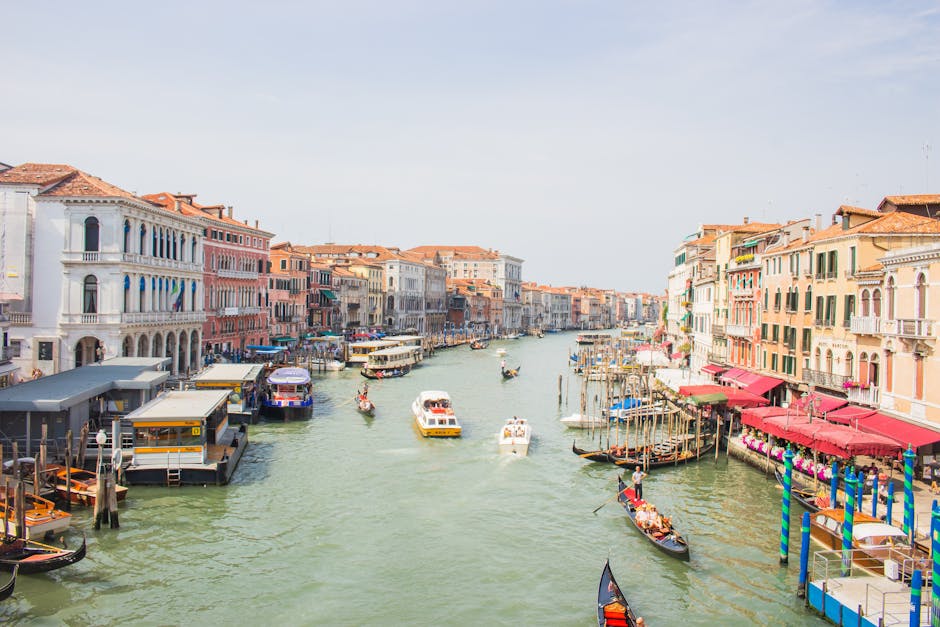
When you do encounter a landmark, use it as a temporary reference point, not as a navigational anchor. See the Rialto Bridge? Acknowledge its grandeur, but then immediately turn down a side street away from the main thoroughfare. Consider St. Mark’s Square as a brief, overwhelming spectacle, and then retreat into the surrounding calli to find solace in its more subdued neighbors. The key is to use these iconic locations as launching pads for further exploration, not as destinations in themselves. The goal is to see these places, perhaps, but not to linger or to let them dictate your path.
The further you venture from the main tourist thoroughfares, the more authentic your Venetian experience will become. Seek out the sestieri of Cannaregio and Castello, areas that retain a strong sense of local community. These districts are characterized by smaller canals, less frequented bridges, and a palpable feeling of everyday life. Here, you are more likely to encounter Venetians going about their daily routines, offering a glimpse into a way of life that has endured for centuries. The absence of souvenir shops and international chains is a strong indicator that you are on the right track for genuine discovery.
Embrace the concept of "serendipity" as your primary navigational tool. Serendipity is the occurrence and development of events by chance in a happy or beneficial way. In Venice, this translates to the unexpected discoveries that arise from aimless wandering. You might find a hidden courtyard adorned with sculptures, a small church containing a forgotten masterpiece, or a picturesque canal scene that has never been captured by a thousand tourist cameras. These moments are the true rewards of getting lost. They are the souvenirs that cannot be bought.
To truly master the art of getting lost, consider the power of detachment from your original starting point. The further you are from where you began, the more you have succeeded. Don’t be afraid to cross the Grand Canal multiple times via different bridges, to double back on yourself, and to explore areas that seem less appealing on a map. The most rewarding discoveries often lie in the places that initially seem unremarkable.
Finally, cultivate a mindset of joyful acceptance. There will be moments of mild frustration, perhaps a feeling of being utterly adrift. This is normal, and it is part of the process. Instead of succumbing to panic, embrace the challenge. Take a deep breath, observe your surroundings with renewed attention, and trust that Venice will eventually reveal a path forward, perhaps one you never would have found if you had been following a map. The act of getting gloriously lost in Venice is not about aimlessness; it is about intentional immersion, about shedding the constraints of modern navigation and allowing the city to unfold itself to you, one beautiful, bewildering step at a time. It is in this surrender that the true spirit of Venice is found.

