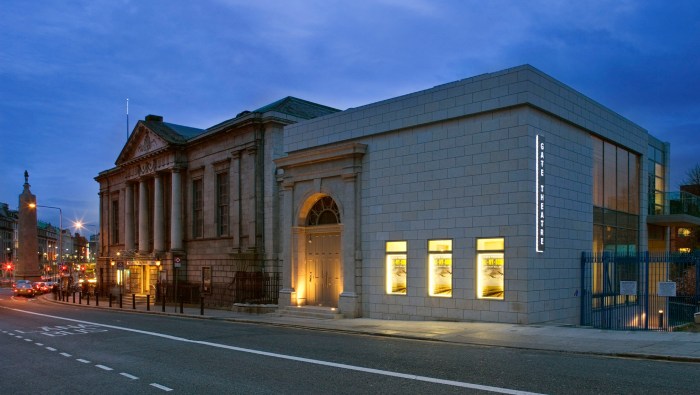

Agreement Returns: A Deep Dive into Their Dublin Gate Theatre Performance
The Gate Theatre in Dublin, a venerable institution renowned for its commitment to pushing artistic boundaries and showcasing thought-provoking theatre, recently hosted a series of performances by the celebrated artistic collective, Agreement Returns. This engagement marked a significant event in the Dublin cultural calendar, drawing audiences eager to experience their unique brand of theatrical innovation. Agreement Returns, a name that has become synonymous with experimental performance, interdisciplinary collaborations, and a profound engagement with societal themes, delivered a performance that resonated deeply with critics and patrons alike. Their presence at the Gate Theatre provided a platform for an exploration of contemporary issues through a lens that is both intellectually stimulating and emotionally impactful. The choice of the Gate Theatre, with its intimate setting and reputation for championing avant-garde work, proved to be an ideal crucible for Agreement Returns’ distinctive artistic output. This article will delve into the specifics of their Dublin engagement, examining the thematic content, the artistic methodologies employed, the audience reception, and the broader implications of their work within the current theatrical landscape.
The performances by Agreement Returns at the Gate Theatre Dublin were characterized by a deliberate eschewing of traditional narrative structures. Instead, the collective focused on creating immersive experiences that blurred the lines between performance art, visual art, and conceptual theatre. Their work is often described as a form of “situational theatre,” where the audience is not merely an observer but an integral part of the unfolding event. For their Dublin run, Agreement Returns presented a piece (or perhaps a series of interconnected pieces, as their work often defies singular definition) that delved into the complexities of human connection and isolation in the digital age. The overarching theme seemed to be the tension between our constant desire for connectivity and the profound sense of solitude that can paradoxically emerge from hyper-connectivity. Through a carefully curated sequence of actions, projections, soundscapes, and subtle interactions, the performers at the Gate Theatre invited the audience to contemplate their own experiences of belonging and alienation. The use of minimalist staging and a deliberate lack of overt exposition forced the audience to actively participate in constructing meaning, drawing parallels between the on-stage scenarios and their own lived realities. This approach fostered a sense of shared experience, transcending the typical passive consumption of theatre and creating a more visceral and memorable encounter.
A key element of Agreement Returns’ artistic methodology, evident in their Gate Theatre performances, is their rigorous exploration of material and embodied practice. The performers did not simply deliver lines; they inhabited their roles through a profound physical and vocal presence. The choreography, where present, was not decorative but served as a visceral language, communicating complex emotions and abstract concepts. The manipulation of everyday objects took on symbolic significance, transforming the mundane into the extraordinary. For instance, a repeated action involving the sorting and re-sorting of identical items might represent the cyclical nature of certain anxieties or the futile attempts to find order in chaos. Similarly, the use of light and shadow was meticulously orchestrated to create specific psychological atmospheres, amplifying the sense of unease or introspection that permeated the performance. The sonic landscape was equally crucial, comprising a blend of ambient sounds, generated noise, and sparse vocalizations that contributed to the overall mood and emotional trajectory. This holistic approach, integrating visual, auditory, and kinesthetic elements, created a rich tapestry of sensory input designed to bypass intellectual defenses and speak directly to the audience’s emotional and subconscious responses. The deliberate pacing, with moments of extended silence and stillness juxtaposed with bursts of intense activity, further heightened the audience’s engagement, demanding sustained attention and rewarding it with nuanced emotional revelations.
The thematic underpinnings of Agreement Returns’ Dublin engagement were multifaceted and offered ample fodder for critical interpretation. Beyond the central motif of digital isolation, the performances also touched upon themes of power dynamics, the precariousness of identity, and the elusive nature of truth in a post-factual world. The interactions between performers, sometimes charged with unspoken tension, sometimes marked by moments of fleeting tenderness, mirrored the often-ambiguous relationships we navigate in our daily lives. The use of fragmented dialogue, or in some instances, the complete absence of spoken language, placed a significant emphasis on non-verbal communication, highlighting how much is conveyed through posture, gesture, and facial expression. This underscored the idea that true understanding often lies beneath the surface of spoken words. The performances at the Gate Theatre also seemed to interrogate the very nature of theatrical representation, questioning what it means to “act” and what it means to “be” on stage. By challenging conventional theatrical norms, Agreement Returns prompted audiences to reconsider their expectations of performance and to actively engage in the process of interpretation. This meta-theatrical dimension added another layer of complexity, encouraging audiences to reflect not only on the content of the performance but also on the act of witnessing itself. The political undertones, while rarely explicit, were palpable, resonating with contemporary anxieties about surveillance, social control, and the erosion of privacy in an increasingly interconnected yet monitored society.
Audience reception to Agreement Returns at the Gate Theatre Dublin was, as expected with their work, polarized yet overwhelmingly positive among those who embraced their experimental approach. While some audience members might have found the lack of conventional narrative challenging or even alienating, the majority expressed a profound sense of intellectual stimulation and emotional resonance. Reviews highlighted the performers’ extraordinary commitment and technical skill, noting their ability to sustain complex emotional states and execute intricate physical sequences with unwavering precision. Many critics lauded Agreement Returns for their courage in presenting work that demands active participation from the audience, fostering a sense of shared discovery rather than passive entertainment. The intimacy of the Gate Theatre environment undoubtedly amplified the impact of the performances, allowing for a more direct and personal connection between the performers and the audience. Discussions following the performances frequently revolved around the open-ended nature of the work, with audience members engaging in lively debates about the intended meanings and their personal interpretations. This intellectual engagement is a hallmark of successful avant-garde theatre, and Agreement Returns’ Dublin run clearly succeeded in sparking such dialogue. The word-of-mouth buzz surrounding the performances was significant, indicating a strong desire within the Dublin arts community for challenging and innovative theatrical experiences. The success of this engagement speaks to a growing audience appetite for theatre that pushes boundaries and encourages critical thinking.
The broader implications of Agreement Returns’ work, as demonstrated at the Gate Theatre Dublin, extend beyond the immediate impact of their performances. Their commitment to interdisciplinary collaboration, often incorporating elements of visual art, sound design, and digital media, points towards the future of theatrical practice. As technology continues to evolve, theatre artists are increasingly exploring new ways to integrate these elements to create more immersive and multi-layered experiences. Agreement Returns is at the forefront of this exploration, demonstrating how these tools can be used not for spectacle alone, but to deepen thematic exploration and enhance emotional impact. Furthermore, their emphasis on audience participation and their willingness to challenge conventional notions of performance art contribute to a vital ongoing discourse within the theatre world about the role of the audience and the evolving definition of theatre itself. In an era where attention spans are often fragmented, Agreement Returns’ ability to command sustained focus and provoke deep contemplation is a testament to the enduring power of live performance. Their work at the Gate Theatre Dublin not only provided a memorable artistic experience but also served as a potent reminder of theatre’s capacity to reflect, question, and ultimately shape our understanding of the world and our place within it. The specific context of Dublin, with its rich theatrical history and vibrant contemporary arts scene, provided a fertile ground for the dissemination of Agreement Returns’ challenging and rewarding artistic vision. Their engagement underscored the Gate Theatre’s ongoing commitment to presenting cutting-edge international work that enriches the cultural landscape of the city. The lingering impact of their performances suggests a significant contribution to the ongoing evolution of contemporary theatre, both in Ireland and on a global scale. The ability of Agreement Returns to elicit such a strong and varied response from both critics and the public solidifies their position as a significant force in experimental performance.

