
ISC2 Cybersecurity Skills Gap: Bridging the Chasm for Global Security
The cybersecurity skills gap represents a critical and persistent deficiency in the number of qualified cybersecurity professionals available to meet the escalating demand. This deficit is not a static problem but a dynamic and widening chasm, driven by rapid technological advancements, evolving threat landscapes, and an increasing reliance on digital infrastructure across all sectors. Organizations worldwide struggle to recruit, retain, and develop personnel with the specialized knowledge and practical experience required to defend against sophisticated cyberattacks. This article will explore the multifaceted nature of the ISC2 cybersecurity skills gap, its root causes, its profound impact, and actionable strategies for mitigation, with a particular focus on the role of certifications like those offered by ISC2 in addressing this challenge.
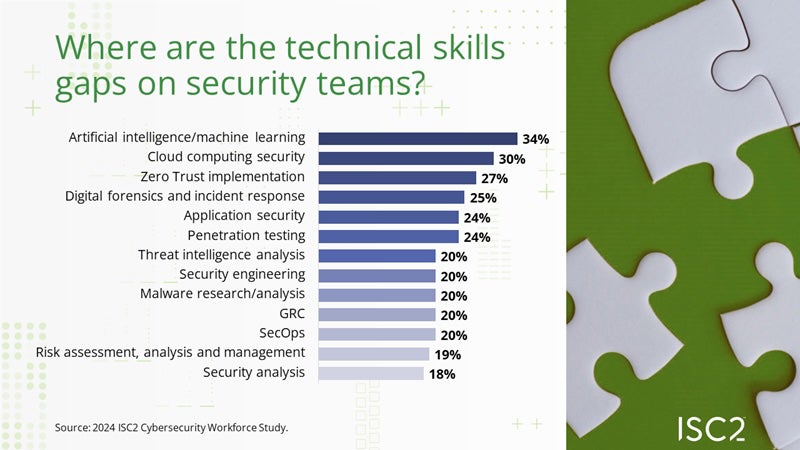
The roots of the cybersecurity skills gap are deeply embedded in several interconnected factors. Firstly, the sheer pace of technological innovation outstrips the speed at which educational institutions and training programs can adapt their curricula. New technologies, such as artificial intelligence (AI), machine learning (ML), cloud computing, the Internet of Things (IoT), and blockchain, introduce novel attack vectors and require specialized defensive strategies. Consequently, professionals need continuous learning and upskilling to remain relevant, a challenge often compounded by the limited availability of accessible and up-to-date training. Secondly, the inherent complexity and evolving nature of cyber threats necessitate a sophisticated understanding of offensive and defensive techniques. Threat actors are increasingly organized, well-funded, and employ advanced persistent threats (APTs) that require proactive, intelligence-driven security measures. This demands professionals who can not only identify vulnerabilities but also anticipate and neutralize emerging threats.
Furthermore, a significant contributor to the gap is the persistent underrepresentation of diverse talent pools within the cybersecurity workforce. Historical biases and a lack of early exposure to STEM fields, particularly for women and minority groups, have resulted in a homogenized workforce. This lack of diversity limits the range of perspectives and problem-solving approaches, making it harder to develop comprehensive and resilient security strategies. The cybersecurity field often suffers from a perception problem, being viewed as overly technical, solitary, or even unappealing to a broader audience. This perception can deter potential candidates from entering the field, further exacerbating the shortage.
The impact of the cybersecurity skills gap is far-reaching and carries substantial economic and societal consequences. For organizations, the primary consequence is an increased vulnerability to cyberattacks. Understaffed security teams are often stretched thin, leading to delayed incident response, incomplete security assessments, and a greater likelihood of successful breaches. This can result in significant financial losses due to data theft, operational disruptions, regulatory fines, and reputational damage. A breach can erode customer trust, impact stock prices, and, in severe cases, lead to the collapse of a business. The cost of cybercrime is projected to reach trillions of dollars annually, a substantial portion of which can be attributed to inadequate human defenses.
Beyond financial repercussions, the skills gap poses a threat to national security. Critical infrastructure, including power grids, financial systems, and transportation networks, relies heavily on digital technologies. A successful cyberattack on these systems could have catastrophic consequences, impacting public safety and national stability. The scarcity of skilled cybersecurity professionals means that governments and defense organizations are less equipped to protect these vital assets from state-sponsored attacks and sophisticated cyberterrorism. On a broader societal level, the lack of trust in digital systems due to persistent security failures can hinder innovation, slow down digital transformation initiatives, and impede the adoption of beneficial technologies.
Addressing the cybersecurity skills gap requires a multi-pronged and collaborative approach involving educational institutions, industry, governments, and professional organizations. One of the most impactful strategies is the promotion and widespread adoption of industry-recognized certifications. Certifications, such as those offered by ISC2 (International Information System Security Certification Consortium), serve as a standardized benchmark for assessing and validating an individual’s knowledge and skills in specific cybersecurity domains. These certifications provide employers with a reliable way to identify qualified candidates, even if they lack formal academic degrees in cybersecurity.
ISC2, in particular, offers a suite of certifications that are highly regarded within the industry, including the Certified Information Systems Security Professional (CISSP), Certified Cloud Security Professional (CCSP), and Certified Secure Software Lifecycle Professional (CSSLP). The CISSP, for example, is a globally recognized standard of achievement for experienced security practitioners, covering a broad range of security principles and practices. Earning a CISSP requires not only passing a rigorous exam but also demonstrating a minimum of five years of cumulative paid work experience in two or more of the eight CISSP domains. This dual requirement ensures that certified individuals possess both theoretical knowledge and practical application capabilities, directly addressing the demand for experienced professionals.
The CCSP certification is equally critical in bridging the skills gap related to cloud security. As organizations increasingly migrate their operations to cloud environments, the need for professionals skilled in securing cloud infrastructure, applications, and data becomes paramount. The CCSP validates expertise in cloud security architecture, design, operations, and service orchestration, equipping individuals to manage the unique security challenges of cloud computing. Similarly, the CSSLP focuses on the security aspects of the software development lifecycle, addressing the critical need for secure coding practices and vulnerability management within software engineering.
Beyond certifications, educational institutions must be proactive in updating their curricula to reflect the current and emerging demands of the cybersecurity job market. This includes incorporating hands-on labs, simulated environments, and real-world case studies into their programs. Partnerships between academia and industry can facilitate this adaptation, allowing students to gain practical experience through internships and apprenticeships. Furthermore, the development of cybersecurity bootcamps and intensive training programs can offer accelerated pathways for individuals looking to transition into the field or upskill their existing knowledge.
Governments play a crucial role in fostering a more robust cybersecurity workforce. This can involve funding cybersecurity education and training initiatives, providing incentives for cybersecurity professionals, and implementing policies that encourage diversity and inclusion within the tech sector. Public-private partnerships are essential for identifying skill shortages, developing targeted training programs, and promoting cybersecurity awareness campaigns. These campaigns can help to demystify the field and attract a broader range of individuals, including those from underrepresented backgrounds.
Industry employers must also commit to investing in their existing workforce. Continuous professional development, on-the-job training, and opportunities for cross-skilling are vital for retaining talent and ensuring that employees remain proficient in the face of evolving threats. Creating clear career progression paths within cybersecurity departments can also enhance employee retention. Organizations should actively seek out diverse candidates and implement inclusive hiring practices that consider a broader range of experiences and qualifications, moving beyond traditional degree requirements where appropriate. Mentorship programs can be invaluable in guiding junior professionals and fostering a supportive learning environment.
The promotion of cybersecurity awareness at all levels of an organization is another crucial element in mitigating the impact of the skills gap. Even with a highly skilled security team, human error remains a significant vulnerability. Educating all employees about common cyber threats, such as phishing, social engineering, and malware, and teaching them best practices for data protection can significantly strengthen an organization’s overall security posture. This proactive approach reduces the burden on security teams and creates a more resilient defense against attacks.
The future of cybersecurity hinges on our collective ability to bridge the widening skills gap. By embracing industry-recognized certifications like those offered by ISC2, fostering adaptive educational systems, implementing supportive government policies, and encouraging industry commitment to continuous learning and diversity, we can cultivate a skilled and resilient cybersecurity workforce. This is not merely a technical challenge but a societal imperative, essential for safeguarding our digital future, protecting critical infrastructure, and ensuring the continued innovation and prosperity of our interconnected world. The ongoing evolution of cyber threats demands a parallel evolution in our human capital, and addressing the skills gap is the fundamental first step.

