Art Basel Expectations: Rare Warhol Drawings and WordPress Installation Insights
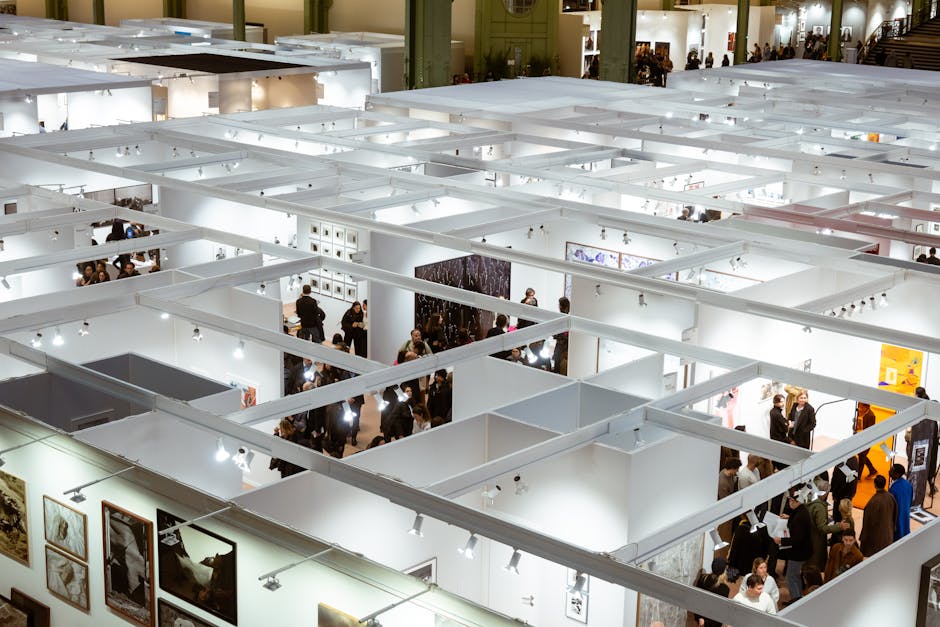
Art Basel Miami Beach, the premier art fair in the Americas, consistently sets the benchmark for the global art market, and this year’s iteration is no exception. Expectations are high, particularly surrounding the potential exhibition and sale of exceptionally rare works, with whispers of previously unseen or rarely surfaced drawings by Andy Warhol dominating pre-fair discussions. The allure of discovering a fresh tranche of the Pop Art titan’s oeuvre, especially in a more intimate, sketch-like format, ignites collector and institutional interest alike. These drawings, often predating his iconic silkscreens or offering a more personal glimpse into his creative process, can command astronomical sums, driven by their historical significance, scarcity, and the enduring global fascination with Warhol’s legacy. Beyond the marquee names, the fair is a barometer for broader market trends, showcasing emerging artists, innovative curatorial approaches, and the ever-evolving landscape of contemporary art. Galleries meticulously select their offerings, balancing established masters with the next wave of artistic talent, aiming to captivate a diverse international clientele ranging from seasoned collectors and museum curators to art advisors and neophyte enthusiasts. The buzz surrounding Art Basel is not merely about transactions; it’s a vibrant confluence of cultural discourse, artistic discovery, and the strategic positioning of galleries within a highly competitive ecosystem.
The anticipation for rare Andy Warhol drawings at Art Basel is fueled by a historical precedent and the inherent value placed on direct evidence of an artist’s foundational talent. While Warhol is globally recognized for his silkscreen prints and iconic imagery like Campbell’s Soup Cans and Marilyn Monroe, his early career was deeply rooted in illustration and drawing. These works, often executed in pen, pencil, or marker, reveal a raw, uninhibited creative impulse that prefigures his later, more polished output. The scarcity of such pieces in the market amplifies their desirability. Unlike his widely reproduced prints, these drawings are unique, often unpublished, and can offer intimate insights into his artistic evolution, stylistic experimentation, and thematic explorations. Collectors and institutions are actively seeking these foundational works not only for their aesthetic merit but also for their critical role in understanding the trajectory of one of the 20th century’s most influential artists. The provenance and exhibition history of these drawings are meticulously scrutinized, as even minor details can significantly impact their perceived value. The thrill of potentially acquiring a piece that has remained in private hands for decades or has never been publicly exhibited contributes to the feverish excitement that often surrounds such potential offerings at major art fairs.
Beyond the allure of marquee artists like Warhol, Art Basel serves as a critical platform for technological integration within the art world, extending to the very infrastructure that supports digital content creation and management. The seamless installation and management of WordPress websites are integral to galleries, artists, and art publications leveraging online platforms to showcase work, disseminate information, and engage with a global audience. A robust and secure WordPress installation is fundamental for presenting high-resolution images of artwork, hosting artist biographies, providing exhibition schedules, and facilitating e-commerce for print sales or limited editions. For instance, a gallery preparing for Art Basel might have a dedicated section on their website showcasing their fair highlights, including detailed descriptions and provenance for each exhibited piece. This requires a stable WordPress backend, capable of handling significant traffic during the fair and ensuring that crucial information is readily accessible. The installation process itself, while seemingly straightforward for those familiar with the platform, involves crucial steps that impact long-term performance and security.
A standard WordPress installation begins with obtaining web hosting and a domain name. The hosting provider often offers a one-click WordPress installation, simplifying the initial setup. However, for those seeking greater control or a more tailored approach, a manual installation is an option. This involves creating a database, uploading WordPress files via FTP, and running the installation script. The choice between these methods often depends on the user’s technical expertise and the specific requirements of their project. For example, a gallery with complex needs, such as custom theme development or integration with third-party art management software, might opt for a manual installation to ensure optimal configuration from the outset. The database, typically MySQL, serves as the backbone, storing all content, user data, and settings. Properly configuring this database is paramount for the website’s functionality and performance.
The security of a WordPress installation is a non-negotiable aspect, especially for entities operating within the high-stakes art market. Vulnerabilities can lead to data breaches, website defacement, or the loss of valuable intellectual property. Essential security measures include choosing strong, unique passwords for the database, administrator accounts, and FTP access. Regular updates to WordPress core, themes, and plugins are critical for patching known security flaws. Utilizing a reputable security plugin, such as Wordfence or Sucuri Security, can provide an additional layer of defense through malware scanning, brute-force protection, and firewall capabilities. Implementing two-factor authentication for administrator logins further enhances security by requiring a secondary verification step beyond just a password. Backups are equally vital; regular, automated backups of both the website files and the database ensure that data can be restored in the event of a catastrophic failure or security incident. The installation of a reliable backup plugin or utilizing the backup services provided by the hosting provider is thus a critical component of a well-managed WordPress ecosystem.
Beyond the foundational security and installation, optimizing a WordPress website for performance is crucial for user experience and search engine visibility, both of which are amplified in the context of major art events like Art Basel. A slow-loading website can deter potential visitors, leading to lost opportunities for engagement and sales. Image optimization is particularly important for art-related websites, as high-resolution visuals are essential for showcasing artwork. Plugins like Smush or Imagify can compress images without a significant loss of quality, reducing file sizes and improving load times. Caching plugins, such as W3 Total Cache or WP Super Cache, store static versions of web pages, reducing the server load and delivering content to visitors much faster. These optimizations are not merely technical considerations; they directly impact the professional presentation of an artist or gallery and contribute to a positive brand image, especially when vying for attention in the competitive art world.
The integration of e-commerce capabilities within WordPress is another area of significant interest for art professionals. WooCommerce, a popular e-commerce plugin, transforms a WordPress site into a fully functional online store. This allows galleries to list and sell prints, limited editions, or even smaller original works directly to a global audience. For artists, it provides a direct channel to market and sell their creations, bypassing intermediaries. The setup of WooCommerce involves configuring payment gateways, shipping options, and product listings. For art sales, features such as displaying detailed artwork specifications, including dimensions, medium, and condition, are paramount. The ability to manage inventory, track orders, and provide secure payment processing are all essential components of a successful online art sales platform built on WordPress. The expectation is that a significant portion of sales and inquiries generated during Art Basel will be initiated or followed up online, making a robust and well-configured e-commerce solution indispensable.
Furthermore, the content management aspect of WordPress is key to maintaining an engaging online presence. Regular updates with new artwork, exhibition announcements, artist interviews, and press mentions are vital for keeping the audience informed and interested. A well-structured content strategy, supported by the intuitive interface of WordPress, allows galleries and artists to publish compelling narratives that resonate with the art community. The use of custom post types and taxonomies can help organize diverse content effectively, making it easier for users to navigate and find specific information. For instance, a gallery might create custom post types for "Exhibitions," "Artists," and "Press," with taxonomies for "Medium," "Year," and "Location" to categorize their vast collection of works and information. This structured approach not only benefits the end-user but also aids in SEO by creating a clear and logical information architecture for search engines to crawl and index.
The ongoing maintenance and evolution of a WordPress website are as crucial as the initial installation, particularly for entities involved in high-profile events like Art Basel. This includes performing regular security audits, monitoring website performance, and staying abreast of new features and best practices within the WordPress ecosystem. The ability to quickly adapt to changing market demands and technological advancements is a hallmark of successful art world operations, and a flexible and well-maintained WordPress platform is a cornerstone of this adaptability. The expectation is that the digital presence will mirror the quality and sophistication of the physical presence at the fair, making the technical backend just as critical as the curated artworks themselves. The successful integration of rare Warhol drawings into a compelling digital narrative, supported by a robust and secure WordPress installation, is ultimately what defines a contemporary art world presence.

