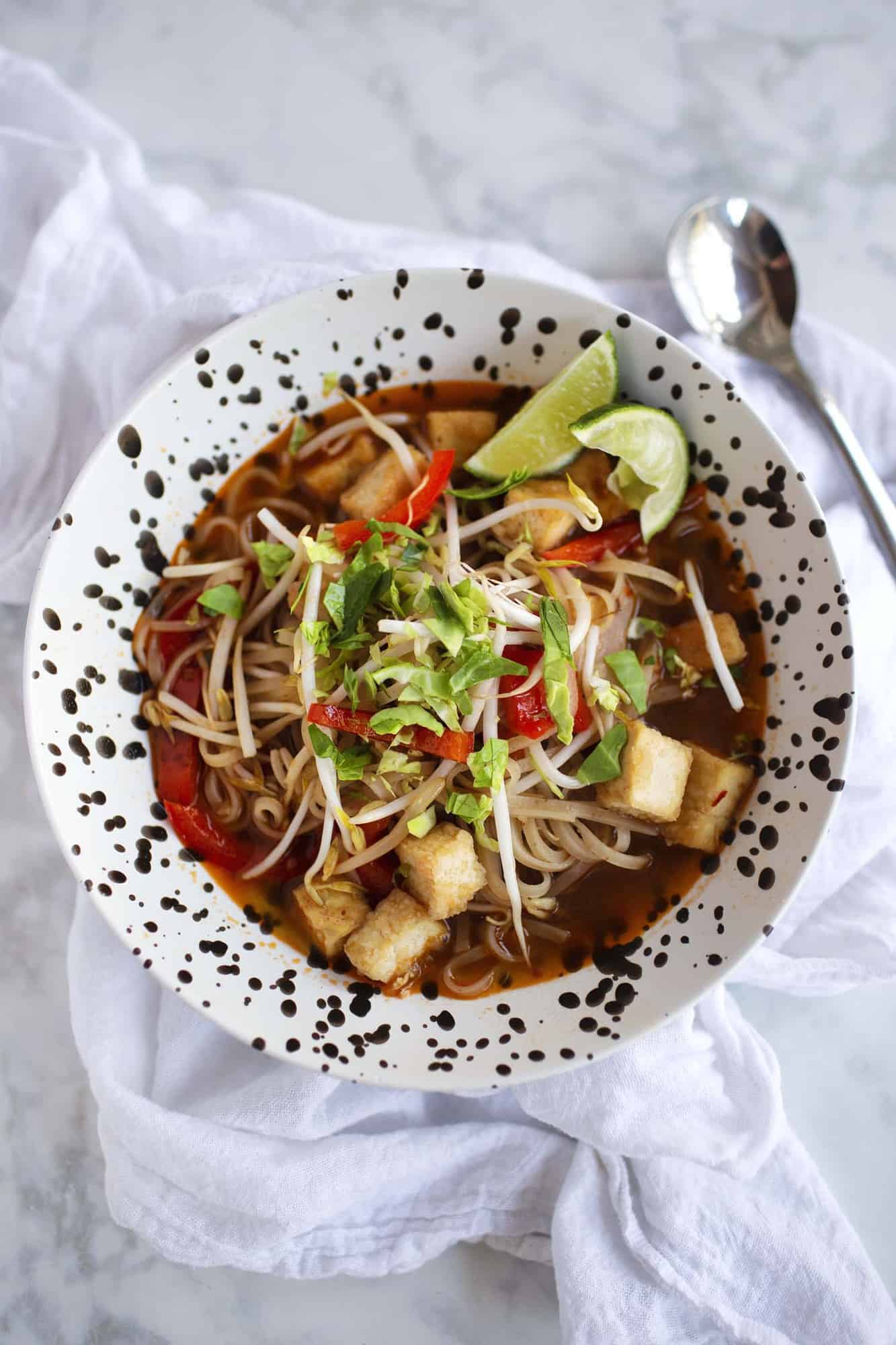

Easy Pad Thai Soup: A Flavorful & Fast Weeknight Thai Delight
Pad Thai soup transcends the traditional stir-fry, offering all the beloved sweet, sour, salty, and spicy notes of classic Pad Thai in a comforting and easily digestible broth-based format. This recipe streamlines the complex flavor profile into a weeknight-friendly meal that requires significantly less active cooking time and minimal specialized equipment. The foundational elements of Pad Thai – tamarind, fish sauce, palm sugar, and chili – are adapted to create a vibrant broth that then serves as the perfect vehicle for rice noodles, protein, and fresh vegetables. Forget the messy wok; this soup is about achieving authentic Pad Thai taste with unparalleled ease, making it an ideal option for busy individuals or those new to Thai cuisine. The beauty lies in its adaptability. Whether you prefer chicken, shrimp, tofu, or a vegetarian rendition, the core broth remains the same, allowing for endless customization. The speed at which this soup comes together is remarkable, often ready in under 30 minutes from start to finish, a stark contrast to the multi-step preparation often associated with traditional Pad Thai. This article will guide you through a foolproof method for creating this delicious and approachable dish.
The key to unlocking the authentic Pad Thai flavor profile in a soup lies in the meticulously balanced broth. This isn’t a simple chicken or vegetable stock; it’s a carefully constructed symphony of taste. Begin with a good quality chicken or vegetable broth as your liquid base. To this, we introduce the quintessential sour element: tamarind paste. Tamarind paste, derived from the fruit of the tamarind tree, provides a distinct, tangy flavor that is crucial for any Pad Thai dish. Look for a smooth tamarind concentrate or paste, readily available in Asian grocery stores or international aisles of larger supermarkets. If you can only find tamarind pulp, you’ll need to soak it in hot water, then strain out the seeds and pulp to extract the liquid. The amount of tamarind will dictate the sourness, so it’s often a good idea to start with a smaller amount and adjust to your preference. Next, we bring in the salty depth with fish sauce. Fish sauce is an indispensable ingredient in Southeast Asian cooking, lending an umami richness that salt alone cannot replicate. Choose a good quality fish sauce; brands vary in intensity and flavor profile, so experimenting with different ones is worthwhile. Following the savory notes, we introduce the sweetness. Palm sugar is the traditional sweetener in Pad Thai, offering a more complex and nuanced sweetness than granulated white sugar. Its caramel-like undertones complement the other flavors beautifully. If palm sugar is unavailable, brown sugar can be used as a substitute, but the flavor will be slightly different. Finally, the heat. Dried chili flakes or a touch of sriracha can be added to imbue the broth with a gentle warmth. The level of spice is entirely personal; start with a small pinch of chili flakes and increase as desired. These core ingredients – tamarind, fish sauce, palm sugar, and chili – form the soul of your Pad Thai soup, and their harmonious balance is paramount.
Beyond the core flavor agents, several aromatics elevate the soup from good to exceptional. Finely minced garlic and shallots are sautéed until fragrant before the broth is added. These foundational aromatics provide a savory depth that underpins the entire dish. Ginger, though not always a prominent feature in stir-fried Pad Thai, can add a welcome zesty warmth to the soup. A small piece of fresh ginger, grated or finely minced, can be added with the garlic and shallots. A splash of rice vinegar can also be incorporated to further enhance the sour notes and add a bright, clean finish to the broth. This addition should be made towards the end of the cooking process to preserve its delicate acidity. The process of building the broth is straightforward. Sauté the garlic, shallots, and ginger in a tablespoon of neutral oil (like vegetable or canola) in a large pot or Dutch oven over medium heat until softened and aromatic, about 2-3 minutes. Be careful not to burn the garlic. Then, pour in the chicken or vegetable broth. Add the tamarind paste, fish sauce, palm sugar, and chili flakes. Stir well to dissolve the sugar and integrate the tamarind. Bring the mixture to a gentle simmer, then reduce the heat to low, cover, and let it meld for at least 10-15 minutes. This simmering period allows the flavors to deepen and harmonize. Taste and adjust the seasoning – you’re aiming for a balance of sweet, sour, salty, and spicy.
The choice of noodles is critical to the soup’s success, mirroring the texture and experience of traditional Pad Thai. Dried flat rice noodles, often labeled as "Pad Thai noodles" or "sen lek," are the ideal choice. These noodles are specifically designed to absorb flavor and hold their structure in both stir-fries and soups. They are typically a medium width, allowing them to cook quickly and soak up the delicious broth without becoming mushy. When preparing the noodles, it’s essential to follow package instructions for soaking or boiling, as overcooked noodles will disintegrate in the soup. Generally, they require a brief soak in hot water until pliable but still slightly firm (al dente). Some recipes suggest boiling them separately and adding them to individual bowls, while others recommend adding them directly to the simmering broth for the last few minutes of cooking. Adding them directly to the broth can be a time-saver, but it requires careful monitoring to prevent them from overcooking. If you opt for this method, ensure the broth is actively simmering but not boiling vigorously, and add the noodles in batches if necessary to avoid crowding the pot. If you’re concerned about noodle texture or are serving a larger group, cooking them separately and adding them to each bowl is a safer bet. Other noodle options, while not traditional, can be explored. Thin rice vermicelli can work but will cook very quickly and may become too soft. Wheat-based noodles like ramen or udon are generally not suitable for Pad Thai soup as their flavor and texture differ significantly from rice noodles. The goal is to replicate the signature chewy yet tender bite of rice noodles that perfectly complements the broth.
The protein component of your easy Pad Thai soup offers ample opportunity for personalization and caters to various dietary preferences. Classic Pad Thai often features shrimp or chicken, both of which lend themselves beautifully to this soup format. For shrimp, medium or large shrimp, peeled and deveined, are ideal. They cook very quickly, so they should be added towards the end of the cooking process, typically in the last 2-3 minutes, just until they turn pink and opaque. Overcooked shrimp become tough and rubbery. Thinly sliced chicken breast or thigh meat can also be used. To ensure even cooking and tenderness, slice the chicken thinly against the grain. It can be added to the simmering broth for about 5-7 minutes until fully cooked. For a vegetarian or vegan option, firm or extra-firm tofu is an excellent choice. Press the tofu to remove excess water, then cut it into bite-sized cubes. Tofu can be pan-fried or baked until golden brown and slightly crispy before being added to the soup, or it can be added directly to the broth to soak up the flavors, though pre-cooking offers a more satisfying texture. Other vegetarian protein options include edamame, which adds a pop of color and a satisfying chew, or even pre-cooked lentils for added heartiness. The key is to choose a protein that cooks relatively quickly and complements the sweet and savory notes of the Pad Thai broth. Consider how your chosen protein will interact with the simmering liquid – some might benefit from a brief marination in a portion of the broth or a touch of soy sauce before being added.
A generous array of fresh vegetables is essential for both flavor and visual appeal, transforming your Pad Thai soup into a wholesome and vibrant meal. These vegetables contribute texture, vitamins, and a refreshing counterpoint to the richness of the broth. Bean sprouts are non-negotiable for any authentic Pad Thai experience, and they are equally vital in the soup. Add a generous handful of fresh bean sprouts in the last minute of cooking or serve them raw on top for a crisp, refreshing crunch. Their subtle sweetness and satisfying texture are iconic. Other vegetables that work exceptionally well include thinly sliced carrots, which add a touch of sweetness and a vibrant orange hue. Red bell peppers, julienned, provide a mild sweetness and a beautiful color contrast. Snow peas or snap peas, trimmed and halved, offer a satisfying crunch and a burst of fresh, green flavor. For an oniony kick, thinly sliced green onions (scallions) are a must, both incorporated into the soup during the final stages and used as a garnish. Chives, finely chopped, can also be added for a milder onion flavor. For a more substantial vegetable presence, consider adding thinly sliced bok choy or napa cabbage. These leafy greens will wilt slightly in the hot broth, adding a tender texture and a subtle, earthy flavor. The preparation of these vegetables is key to their optimal enjoyment in the soup. Slice them thinly or julienne them so they cook quickly and evenly. Avoid overcrowding the pot with too many vegetables at once; you might need to add them in stages depending on their cooking time.
The final garnishes are what elevate an already delicious Pad Thai soup to an extraordinary culinary experience, providing textural contrast, bursts of freshness, and amplifying the classic Pad Thai flavors. These are not mere afterthoughts; they are integral to the dish’s identity. Crushed roasted peanuts are perhaps the most iconic Pad Thai garnish. Their nutty crunch provides a delightful textural contrast to the soft noodles and tender vegetables, and their subtle earthy flavor complements the sweet and savory broth beautifully. Toasting raw peanuts briefly in a dry pan until fragrant and then roughly chopping or crushing them will yield the best results. A squeeze of fresh lime juice is absolutely indispensable. The bright, zesty acidity of fresh lime cuts through the richness of the broth, adding a refreshing zing that awakens the palate. Always serve with lime wedges on the side, allowing each diner to customize their level of tang. Fresh cilantro, roughly chopped, offers a fragrant, herbaceous lift. Its distinctive aroma and fresh, slightly peppery taste are a classic pairing with Thai flavors. For those who enjoy an extra kick, thinly sliced red chilies (like bird’s eye chilies) or a sprinkle of additional chili flakes can be added as a garnish for extra heat. Finally, a drizzle of sriracha or chili garlic sauce can be offered for those who desire more intense spice. The presentation is as important as the taste. Ladle the hot soup into individual bowls, ensuring each serving has a good balance of noodles, protein, and vegetables. Then, artfully arrange the garnishes on top, creating a visually appealing and aromatically enticing dish. Encourage diners to mix the garnishes into their soup before eating to fully experience the symphony of flavors and textures.
To truly optimize this easy Pad Thai soup for search engines, consider incorporating these keywords naturally throughout the article: "easy Pad Thai soup recipe," "quick Thai soup," "weeknight Thai dinner," "authentic Pad Thai flavors," "rice noodle soup," "shrimp Pad Thai soup," "chicken Pad Thai soup," "tofu Pad Thai soup," "vegetarian Pad Thai soup," "gluten-free Pad Thai soup" (if using gluten-free fish sauce and noodles), "Tamarind soup recipe," "fish sauce recipe," "Asian noodle soup," and "how to make Pad Thai soup." Ensure headings and subheadings are descriptive and utilize relevant keywords where appropriate. For instance, a subheading like "Crafting the Authentic Pad Thai Broth" or "Choosing the Perfect Noodles for Your Soup" would be beneficial. Internal linking to other related recipes on your site (if applicable) can also improve SEO. The goal is to provide comprehensive, valuable information that directly answers user queries related to making a delicious and straightforward Pad Thai soup. This approach ensures that individuals searching for these terms will find your content highly relevant and useful, leading to increased engagement and visibility.

