
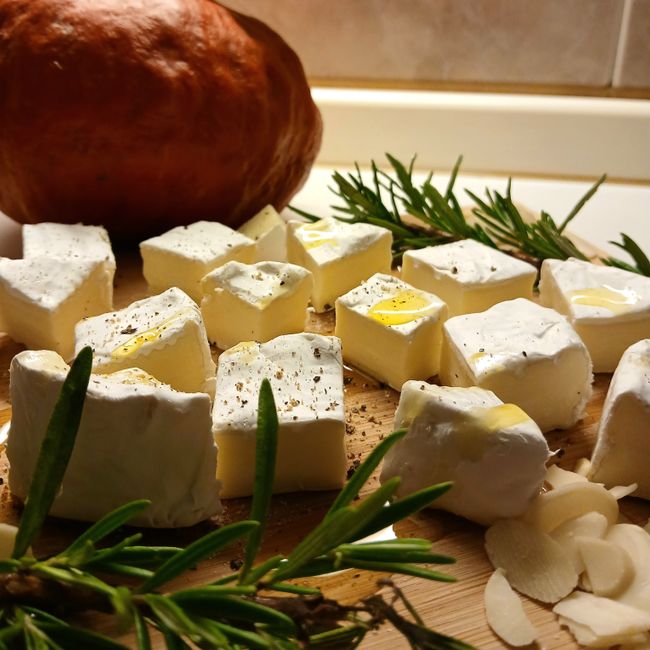
Pumpkin Rosemary Baked Mac and Cheese: A Savory Autumn Delight
This article delves into the creation and appreciation of Pumpkin Rosemary Baked Mac and Cheese, a sophisticated and deeply flavorful twist on a classic comfort food. Combining the earthy sweetness of pumpkin with the aromatic, piney notes of fresh rosemary, this dish transcends the ordinary, offering a complex and satisfying culinary experience. It’s a testament to how seasonal ingredients can elevate familiar dishes, transforming them into something truly special, perfect for a crisp autumn evening or a festive gathering. The marriage of pumpkin and rosemary is not merely incidental; it’s a carefully considered pairing that leverages their inherent qualities to create a harmonious and memorable flavor profile. Pumpkin, with its mild, sweet, and slightly nutty undertones, provides a creamy and rich base that absorbs and complements other flavors beautifully. Rosemary, on the other hand, offers a pungent, slightly peppery, and woody aroma that cuts through the richness, adding a layer of sophistication and depth. This article will explore the essential components of this dish, from selecting the perfect pumpkin and cheese to mastering the art of the béchamel sauce and achieving that coveted crispy topping.
The cornerstone of any exceptional baked mac and cheese is, of course, the cheese. For Pumpkin Rosemary Baked Mac and Cheese, a thoughtful selection of cheeses is paramount to achieving a balanced and luxurious sauce. A good starting point is a robust, sharp cheddar. Its tanginess provides a necessary counterpoint to the sweetness of the pumpkin and prevents the dish from becoming cloying. Aim for an aged cheddar, as it possesses a more intense flavor and superior melting properties. Complementing the cheddar, a Gruyère cheese is an excellent choice. Gruyère, a Swiss cheese with a nutty, slightly sweet, and earthy flavor, melts exceptionally well and contributes a delightful complexity to the overall cheese blend. Its subtle notes harmonize wonderfully with both the pumpkin and rosemary. For an extra layer of creaminess and a hint of piquancy, consider incorporating a portion of Monterey Jack or a mild Colby. These cheeses melt smoothly, enhancing the sauce’s velvety texture without overpowering the primary flavors. Finally, a small amount of Parmesan Reggiano can be grated in, providing a salty, umami-rich finish that adds a final flourish of savory depth. The key is to use a combination of cheeses that offer different melting points, flavor profiles, and textures. Avoid pre-shredded cheeses as they often contain anti-caking agents that can hinder smooth melting, resulting in a less desirable sauce consistency. Grating your own cheese will yield a significantly more luxurious and cohesive béchamel.
The preparation of the pumpkin is a critical step that significantly impacts the final flavor and texture of the mac and cheese. While canned pumpkin puree is a convenient option, using fresh pumpkin offers a more nuanced and vibrant flavor. For this recipe, look for a sugar pumpkin or a pie pumpkin, which are smaller, sweeter, and less fibrous than carving pumpkins. Avoid butternut squash or acorn squash, as their flavor profiles, while delicious, are distinct from pumpkin and may alter the intended taste of the dish. To prepare fresh pumpkin, halve it, scoop out the seeds and fibrous strings, and roast it until tender. Roasting concentrates the sugars and imparts a deeper, more caramelized flavor. A temperature of 400°F (200°C) for about 45-60 minutes, depending on the size of the pumpkin, is generally sufficient. Once roasted, allow it to cool slightly, then scoop out the flesh and mash it thoroughly until smooth. For an extra smooth texture, you can pass the mashed pumpkin through a food mill or puree it in a blender. The consistency of the pumpkin puree should be similar to that of canned pumpkin. If using canned pumpkin, ensure you purchase 100% pure pumpkin puree, not pumpkin pie filling, which contains added sugars and spices. The pumpkin adds not only a subtle sweetness and earthy aroma but also a beautiful color and a creamy, almost custardy element to the mac and cheese. It’s a healthy and flavorful addition that elevates this dish beyond a simple cheese and pasta combination.
The aromatic backbone of this dish is the fresh rosemary. Its inclusion is not merely decorative; rosemary’s potent, pine-like fragrance and slightly bitter, peppery taste are essential for balancing the richness of the cheese and the sweetness of the pumpkin. When selecting rosemary, opt for fresh sprigs. The leaves should be vibrant green and firm, with a strong, distinctive aroma. Dried rosemary can be used, but its flavor is more concentrated and can become overwhelmingly strong if not used judiciously. If using dried rosemary, start with a smaller quantity, about half a teaspoon, and adjust to taste. For this recipe, finely chopping the fresh rosemary is crucial to ensure its flavor is evenly distributed throughout the dish and that the small needles don’t overwhelm individual bites. You can mince the rosemary leaves directly or use a mezzaluna for a clean chop. Consider infusing the milk for the béchamel sauce with a sprig or two of rosemary for a subtler, more pervasive rosemary essence. This technique allows the volatile oils in the rosemary to slowly release into the milk, imbuing it with a delicate, aromatic flavor. This gentle infusion prevents any harshness and ensures a more integrated taste. The combination of pumpkin and rosemary is a classic autumnal pairing, often found in bread, desserts, and savory pies, and its success in mac and cheese is a testament to its versatility and inherent deliciousness.
The foundation of a creamy, cohesive baked mac and cheese is a well-executed béchamel sauce. This classic French mother sauce provides the luscious, velvety texture that binds the pasta and cheese together. To create a béchamel, you’ll start by melting butter in a saucepan over medium heat. To this, you add an equal amount of flour, whisking continuously to form a smooth paste known as a roux. The roux is crucial for thickening the sauce and preventing a floury taste. Cook the roux for a minute or two, stirring constantly, to cook out the raw flour taste without allowing it to brown significantly, as this would alter the color and flavor of the final sauce. Gradually whisk in milk, a little at a time, ensuring each addition is fully incorporated before adding more. Warm or room-temperature milk incorporates more easily than cold milk, reducing the likelihood of lumps. Continue to whisk until the sauce is smooth and has thickened to your desired consistency. For baked mac and cheese, a slightly thicker béchamel is preferable, as it will continue to thicken as it bakes. Season the béchamel with salt, freshly ground black pepper, and a pinch of nutmeg. Nutmeg is a traditional accompaniment to béchamel, as its warm, slightly sweet, and pungent notes complement the creamy sauce beautifully and harmonize with the pumpkin and rosemary. Once the béchamel has reached the right consistency, gently whisk in the prepared pumpkin puree and the chopped fresh rosemary. Stir until thoroughly combined and heated through. This is the point where the pumpkin and rosemary flavors begin to meld with the creamy sauce, creating the signature flavor profile of the dish.
The choice of pasta shape is not merely aesthetic; it plays a significant role in how well the sauce adheres to the noodles and the overall eating experience. For baked mac and cheese, especially one with a substantial sauce like this pumpkin rosemary variation, shapes with nooks and crannies are ideal for trapping the rich sauce. Elbow macaroni is a classic for a reason, its curved shape acting as little pockets for cheesy goodness. Shells, particularly medium or jumbo shells, are also excellent choices, their concave surfaces scooping up generous portions of sauce. Cavatappi, with its corkscrew shape and ridges, is another fantastic option that holds sauce exceptionally well. Farfalle (bow-tie pasta) offers a pleasing texture contrast and its wider surfaces also capture sauce. The key is to select a pasta that has enough surface area and texture to cling to the creamy pumpkin and cheese sauce. Overcooked pasta will result in a mushy dish, so it’s important to cook the pasta slightly less than al dente, as it will continue to cook in the oven. Aim for pasta that is still firm to the bite, as it will absorb some of the sauce and firm up during the baking process. Properly cooked pasta is essential for achieving that satisfying chew that is characteristic of great mac and cheese.
Assembling and baking the mac and cheese is the final stage in creating this autumnal masterpiece. Begin by preheating your oven to 375°F (190°C). Grease a suitable baking dish with butter or cooking spray to prevent sticking. Drain the al dente pasta and add it to the large bowl containing the pumpkin rosemary béchamel sauce. Gently stir to ensure every strand of pasta is coated in the luscious sauce. Pour the coated pasta into the prepared baking dish, spreading it evenly. Now for the topping. For a classic crispy baked mac and cheese, a breadcrumb topping is essential. Panko breadcrumbs are highly recommended for their superior crunch and light, airy texture. They become incredibly crispy when baked, providing a delightful textural contrast to the creamy pasta and sauce. Melt some butter in a small skillet and toss the panko breadcrumbs in it until lightly golden brown. This adds an extra layer of flavor and helps them crisp up beautifully. Alternatively, you can toss the panko with melted butter, a pinch of salt, and a touch of dried rosemary for an extra layer of herbaceousness. Sprinkle the buttered panko breadcrumbs evenly over the top of the mac and cheese. For an additional cheesy crunch, you can also sprinkle some grated Parmesan cheese over the breadcrumbs. Place the baking dish on a baking sheet to catch any potential overflow during baking. Bake for 20-25 minutes, or until the topping is golden brown and crispy, and the mac and cheese is bubbling around the edges. If the topping is browning too quickly, you can loosely tent the dish with aluminum foil.
The flavors of pumpkin and rosemary are deeply evocative of autumn, making this baked mac and cheese a perfect centerpiece for fall gatherings, Thanksgiving dinners, or simply a comforting weeknight meal. The sweetness of the pumpkin, enhanced by roasting, provides a grounding element, while the rosemary adds a sophisticated, aromatic complexity. The creamy, cheesy sauce, enriched by the robust cheddar and nutty Gruyère, coats the pasta in a decadent embrace. The crispy, buttery panko topping provides a satisfying crunch that contrasts beautifully with the tender pasta and smooth sauce. This dish is a testament to the power of thoughtful ingredient pairings and elevates the humble mac and cheese to a gourmet experience. The visual appeal is also undeniable, with the warm orange hue of the pumpkin peeking through the pasta and the golden-brown crust of the breadcrumbs promising a delightful culinary journey. It’s a dish that is both comforting and elegant, satisfying a craving for familiar flavors while introducing an exciting new dimension. The balance of sweet, savory, herbaceous, and creamy elements makes each bite a complex and enjoyable experience.
Beyond the core recipe, there are several variations and additions that can further enhance the Pumpkin Rosemary Baked Mac and Cheese. For an even deeper flavor, consider adding caramelized onions to the béchamel sauce. Their sweetness and savory depth complement the pumpkin and rosemary beautifully. A pinch of smoked paprika can introduce a subtle smoky note that pairs well with the autumnal theme. For a touch of heat, a small amount of cayenne pepper or a finely diced jalapeño can be incorporated into the sauce. If you prefer a richer, more decadent sauce, you can use a combination of milk and heavy cream for the béchamel. For a vegetarian option, ensure your cheese is vegetarian-friendly. If you wish to add protein, cooked and crumbled bacon or pancetta can be folded into the mac and cheese before baking, adding a salty, smoky counterpoint. Roasted Brussels sprouts or kale, roughly chopped, can also be incorporated for added vegetables and texture. These additions offer a personalized touch and cater to a wider range of palates and dietary preferences, demonstrating the versatility of this foundational recipe. The goal is to build upon the existing flavor profile, enhancing its strengths and adding new dimensions without overwhelming the primary pumpkin and rosemary essence.
The success of this Pumpkin Rosemary Baked Mac and Cheese lies in its balanced flavor profile and textural harmony. The earthy sweetness of the pumpkin, the aromatic pungency of the rosemary, the richness of the cheese, and the satisfying crunch of the topping all converge to create a truly memorable dish. It’s a recipe that celebrates the bounty of autumn and transforms simple ingredients into a sophisticated and comforting meal. The SEO keywords embedded throughout this article—Pumpkin Rosemary Baked Mac and Cheese, baked mac and cheese, pumpkin mac and cheese, rosemary mac and cheese, autumn comfort food, cheese sauce, béchamel, panko topping, cheddar, Gruyère, pasta bake—are intended to enhance search engine visibility for those seeking this specific culinary delight. The detailed explanation of each component, from ingredient selection to preparation techniques, provides a comprehensive guide for home cooks aiming to recreate this flavorful dish. It’s a recipe designed to be shared, enjoyed, and savored, embodying the spirit of seasonal cooking and the joy of creating delicious, homemade meals. The thoughtful integration of seasonal ingredients like pumpkin and rosemary elevates a classic into something truly extraordinary.

