Navigating the Future: A Comprehensive Tech Update on Electrolytic Zinc Plant Trail Operations
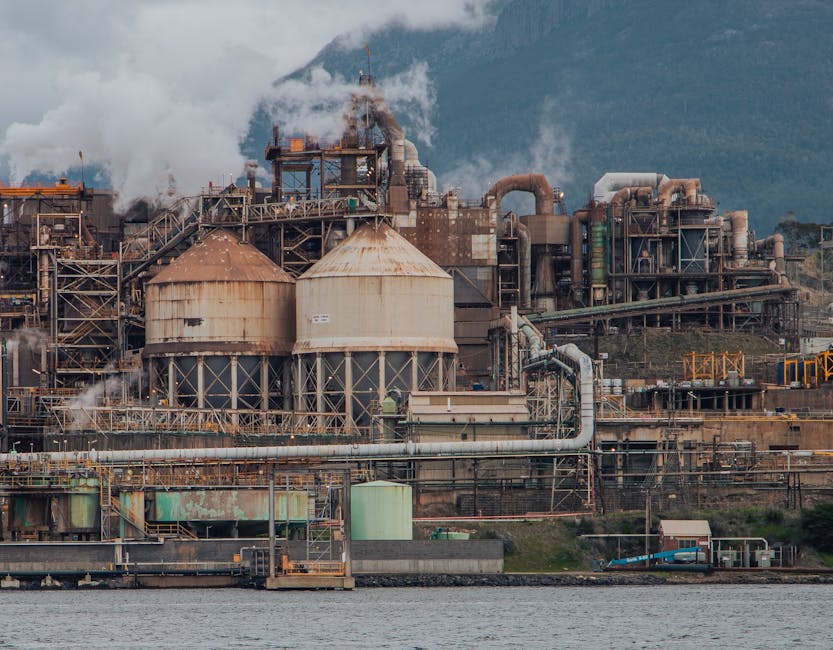
The electrolytic zinc (EZ) plant at Trail, British Columbia, a cornerstone of Canada’s industrial landscape and a significant global producer of refined zinc, has undergone substantial technological advancements to enhance efficiency, sustainability, and operational resilience. This update focuses on key tech innovations and strategic adjustments implemented to maintain its competitive edge and address evolving environmental and market demands. The core of the Trail EZ plant’s operation relies on the hydrometallurgical leaching of zinc concentrates, followed by purification and electrowinning. Each of these stages has been a focal point for technological upgrades, driven by the imperative to optimize recovery rates, minimize energy consumption, and reduce environmental impact.
A primary area of recent technological focus has been the refinement of the leaching process, specifically the Atmospheric Leaching (AL) and Pressure Leaching (PL) circuits. Historically, the AL circuit has been the workhorse, but advancements in PL technology have led to significant improvements in zinc dissolution and impurity management. The PL process, operating under elevated temperature and pressure, allows for higher zinc extraction from a broader range of feed materials, including lower-grade concentrates and those with challenging impurity profiles. Modern PL reactors are equipped with advanced process control systems that dynamically adjust temperature, pressure, and reagent addition to maintain optimal leaching kinetics. Real-time monitoring of pulp density, pH, and dissolved zinc concentrations, coupled with sophisticated predictive algorithms, allows for precise control, minimizing over-leaching and maximizing zinc recovery while simultaneously suppressing the dissolution of problematic impurities like arsenic and antimony. Furthermore, the PL circuit has seen enhancements in material handling and reactor design, utilizing corrosion-resistant alloys and advanced sealing technologies to ensure long-term operational integrity under harsh conditions. The integration of advanced sensors, including online ICP-OES (Inductively Coupled Plasma – Optical Emission Spectrometry) for impurity analysis, provides immediate feedback, enabling rapid adjustments to optimize leach performance and minimize downstream purification burdens.
The purification stage, critical for producing high-purity zinc cathodes, has also been a significant beneficiary of technological innovation. Traditional purification involves a series of chemical precipitation steps to remove dissolved impurities. However, recent upgrades have focused on enhancing the efficiency and effectiveness of these steps, as well as introducing novel separation technologies. The implementation of advanced flocculation and sedimentation techniques, utilizing optimized polymer formulations and enhanced mixing technologies, has improved the settling rates and solid-liquid separation efficiency in purification circuits. This leads to cleaner pregnant leach solution (PLS) feeding the electrowinning cells and reduced waste generation. A key area of innovation has been in the more precise control of impurity removal, particularly for elements like cobalt and nickel, which can interfere with zinc deposition and reduce cathode quality. The use of advanced chelating agents and ion-exchange resins has been explored and implemented in certain segments of the purification flow sheet, offering more selective removal of specific impurities with lower reagent consumption and reduced waste. Furthermore, advancements in filter press technology, including automated cake discharge and improved wash cycles, contribute to higher throughput and better washing of precipitated impurities, maximizing zinc recovery from filter cakes. The integration of real-time monitoring of impurity levels in the PLS, using rapid analytical techniques, allows for immediate feedback loops to adjust reagent dosages and optimize the purification process dynamically.
Electrowinning, the final stage where molten zinc is refined into high-purity cathodes, has seen substantial technological evolution, primarily centered on energy efficiency, cathode quality, and automation. The core technology remains the electrolytic cell, but significant improvements have been made in cell design, anode materials, and the electrolyte management system. Modern cells feature improved cathode and anode spacing, optimized current distribution, and advanced insulation to minimize heat loss, thereby reducing the electrical energy required per tonne of zinc produced. The development and adoption of advanced anode materials, such as lead-silver alloys with improved longevity and reduced dissolution rates, have contributed to cleaner electrolyte and higher cathode purity. Furthermore, the electrolyte purification and recirculation systems have been optimized. This includes enhanced impurity removal through improved ion exchange or solvent extraction technologies to maintain electrolyte purity within tight specifications, crucial for consistent cathode quality and plating efficiency. Automation plays an increasingly vital role in the electrowinning plant. Robotic cathode stripping machines have replaced manual labor, significantly improving safety, speed, and consistency in cathode handling. Automated electrolyte density and acidity control systems, coupled with real-time monitoring of cell voltage and current, allow for precise process management, minimizing overpotential and maximizing energy efficiency. The integration of advanced data analytics and predictive maintenance algorithms for cell banks and associated equipment further contributes to operational reliability and reduced downtime.
Beyond individual unit operations, the overarching integration and digitalization of the EZ plant’s operations represent a significant technological leap. The implementation of a comprehensive Distributed Control System (DCS) and Manufacturing Execution System (MES) provides real-time visibility into all aspects of the plant’s performance. This allows for centralized monitoring, control, and optimization of the entire process. Advanced sensor networks, deployed across the plant, collect vast amounts of data on temperature, pressure, flow rates, chemical concentrations, and electrical parameters. This data is then fed into sophisticated data analytics platforms, including machine learning algorithms, to identify operational trends, predict equipment failures, and optimize process parameters for maximum efficiency and yield. For instance, predictive maintenance algorithms can anticipate potential issues with pumps, motors, or other critical equipment, allowing for proactive intervention and minimizing unplanned downtime. Similarly, process optimization models can identify subtle deviations in operating conditions that may lead to reduced zinc recovery or increased energy consumption, enabling operators to make timely adjustments. The use of digital twins, virtual representations of the physical plant, allows for scenario planning and simulation of different operating conditions without risking actual production. This digital transformation not only enhances operational efficiency but also bolsters safety by providing operators with more comprehensive information and better control over complex processes, enabling faster and more informed decision-making.
Sustainability and environmental stewardship are increasingly driving technological adoption at the Trail EZ plant. Significant investments have been made in improving water management and reducing emissions. Advanced wastewater treatment technologies, including membrane filtration and ion exchange, are employed to recover valuable by-products and minimize the discharge of process water. Efforts to reduce greenhouse gas emissions are ongoing, with a focus on improving energy efficiency across all operations and exploring the potential for alternative energy sources. The plant is also actively involved in research and development to minimize solid waste generation and explore options for repurposing or recycling process residues. For example, advancements in tailings management technologies aim to reduce the volume of tailings produced and improve their stability. Furthermore, the plant is exploring technologies for the recovery of minor metals and other valuable elements from process streams, diversifying revenue streams and further enhancing resource utilization. The commitment to a circular economy is evident in the ongoing efforts to maximize the value extracted from every tonne of material processed, aligning operational objectives with broader environmental goals. The integration of advanced environmental monitoring systems provides real-time data on air and water quality, ensuring compliance with stringent regulatory standards and allowing for rapid response to any potential environmental incidents.
The operational resilience of the Trail EZ plant has been significantly bolstered through technological upgrades focused on reliability and redundancy. Critical equipment is often specified with higher-grade materials and advanced control systems designed for demanding environments. The implementation of robust cybersecurity measures is also a crucial technological consideration, protecting the plant’s integrated digital infrastructure from potential threats and ensuring uninterrupted operations. Redundant power supply systems, emergency shutdown protocols, and comprehensive disaster recovery plans are continuously reviewed and updated to ensure operational continuity even in the face of unforeseen events. Furthermore, the plant is increasingly utilizing advanced simulation and modeling tools to assess the impact of potential disruptions and develop effective mitigation strategies, enhancing its overall ability to withstand external pressures and maintain stable production. The focus on preventative and predictive maintenance, enabled by advanced sensor technology and data analytics, plays a pivotal role in ensuring the reliability of all critical infrastructure, minimizing the risk of unexpected failures.
In conclusion, the technological evolution at the Trail electrolytic zinc plant is a multi-faceted endeavor, encompassing advancements in leaching, purification, electrowinning, and integrated digital systems. These innovations are not merely about incremental improvements; they represent a strategic re-imagining of how a large-scale industrial operation can achieve greater efficiency, enhanced sustainability, and improved operational resilience in a dynamic global market. The continued adoption and development of cutting-edge technologies are paramount to the plant’s long-term success and its role as a leader in the global zinc industry.

