
Could Microfactories Be the Solution for On-Demand Fashion Production?
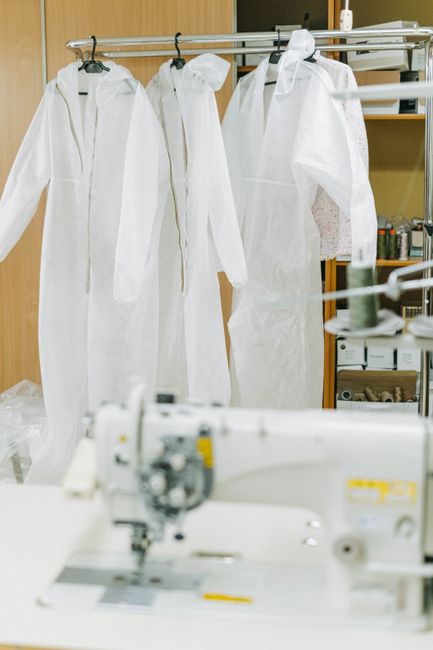
The fashion industry, a behemoth of global manufacturing and consumption, is grappling with a growing crisis of inefficiency, waste, and unresponsiveness to consumer demand. Traditional, large-scale manufacturing models, characterized by lengthy lead times, mass production, and centralized facilities, are increasingly ill-suited to the rapid pace of trends and the burgeoning desire for personalized, sustainably produced garments. In this landscape, microfactories are emerging as a potent and potentially transformative solution for on-demand fashion production, offering a decentralized, agile, and technologically driven alternative. The core concept of a microfactory revolves around a significantly smaller footprint and production capacity compared to conventional factories, often focusing on a specific product or a narrow range of products. This localization and specialization allow for increased flexibility, rapid iteration, and a more intimate connection with the end consumer.
The limitations of the current fashion production paradigm are multifaceted. The sheer scale of global supply chains often means that garments are designed, manufactured, and shipped across continents, leading to significant carbon emissions and extended delivery times. This lag time between design conception and market availability makes it challenging for brands to react to fleeting trends, resulting in overproduction, excess inventory, and subsequent waste. Furthermore, the opaque nature of many large-scale manufacturing operations raises concerns about labor practices, environmental compliance, and the overall ethical footprint of the industry. Consumers, increasingly aware of these issues, are demanding greater transparency, ethical sourcing, and faster access to products that align with their individual styles.
Microfactories offer a compelling antidote to these systemic challenges. Their inherent scalability and modularity allow for production to be situated closer to the point of consumption, dramatically reducing transportation costs and lead times. This proximity enables a true on-demand production model. Instead of producing large batches of garments based on speculative forecasts, microfactories can produce individual items or small, customized runs only after an order has been placed. This directly addresses the issue of overproduction and the subsequent environmental burden of unsold inventory. Imagine a scenario where a consumer can design a unique t-shirt online, and within days, that exact garment is produced locally and shipped directly to their doorstep. This is the promise of microfactory-driven on-demand fashion.
The technological enablers for microfactories are rapidly maturing. Digital design tools, including 3D modeling and virtual prototyping, allow for the creation of digital garment blueprints that can be directly fed into automated production systems. This eliminates the need for traditional pattern making and physical sampling in many cases, further accelerating the design-to-production cycle. Automation, particularly through advancements in robotics and artificial intelligence, plays a crucial role in enabling efficient, high-precision manufacturing within a smaller space. Automated cutting machines, advanced sewing robots, and sophisticated digital printing technologies can execute complex designs with speed and accuracy. Furthermore, the integration of blockchain technology can enhance transparency throughout the supply chain, allowing consumers to track the origin of materials and the production process of their garments.
The operational advantages of microfactories extend beyond just speed and waste reduction. Their smaller scale makes them more amenable to adopting sustainable materials and practices. For instance, a microfactory might exclusively use organic cotton or recycled polyester, and its localized nature can facilitate the use of renewable energy sources for its operations. The reduced water and chemical usage associated with digital printing, compared to traditional dyeing methods, is another significant environmental benefit. Moreover, the direct-to-consumer model inherent in on-demand production through microfactories can reduce the need for extensive retail infrastructure, further optimizing resource utilization.
The concept of "mass customization" becomes a tangible reality with microfactories. Consumers are no longer limited to a few pre-defined sizes and colors. They can specify desired fit, fabric, embellishments, and even incorporate personal graphics or logos. This level of personalization fosters a deeper connection between the consumer and the garment, promoting longevity and reducing the likelihood of fast-fashion disposability. When consumers feel a personal investment in their clothing, they are more likely to care for it, repair it, and keep it for longer periods, contributing to a more circular economy.
Several business models can leverage the capabilities of microfactories for on-demand fashion. Direct-to-consumer (DTC) brands can establish their own networked microfactories, offering a fully integrated and agile production pipeline. This provides unparalleled control over quality, lead times, and brand messaging. Alternatively, third-party microfactory service providers can emerge, offering on-demand manufacturing services to multiple brands. This model allows smaller or emerging brands to access advanced production capabilities without the significant capital investment required to build their own facilities. Furthermore, hybrid models could see established brands partnering with microfactory networks to produce limited-edition collections or highly customized items, supplementing their existing mass-production lines.
The implementation of microfactories for on-demand fashion production is not without its challenges. The initial investment in advanced automation and digital infrastructure can be substantial, although it is often less than that required for a large-scale traditional factory. The skill sets required to operate and maintain these sophisticated systems are also different, necessitating a focus on training and upskilling the workforce. Supply chain management for raw materials needs to be agile and responsive to individual order demands, requiring robust digital inventory management systems. Furthermore, scaling production to meet significant surges in demand, while maintaining the on-demand ethos, will require careful planning and potentially a distributed network of interconnected microfactories.
However, the economic and environmental benefits are compelling. Reduced waste directly translates to lower material costs. Minimized transportation emissions contribute to sustainability goals and can reduce shipping expenses. Faster market responsiveness allows brands to capitalize on emerging trends before competitors, leading to increased sales and market share. The enhanced customer loyalty generated by personalized products and faster delivery times can provide a significant competitive advantage. From an environmental perspective, the potential for a significant reduction in textile waste, water consumption, and carbon emissions is substantial, aligning with global efforts to create a more sustainable fashion industry.
The fashion industry’s traditional linear "take-make-dispose" model is unsustainable. Microfactories offer a viable pathway towards a more circular and responsive future. By embracing digital technologies, automation, and a decentralized production approach, they empower brands to move away from speculative overproduction and towards a demand-driven model. This shift not only benefits the environment but also caters to the evolving expectations of the modern consumer, who desires unique, ethically produced, and readily available fashion. The integration of microfactories into the fashion ecosystem is not a question of if, but when, and the brands that embrace this transformative technology will likely lead the industry into a more sustainable and customer-centric future. The potential for microfactories to revolutionize fashion production, making on-demand capabilities a mainstream reality, is immense.

