
Transforming Your Sanctuary: A Green and White Main Bedroom Before and After Revelation
The main bedroom, a space intended for rest, rejuvenation, and personal expression, often becomes a canvas for homeowners seeking to infuse their personal style into their most private dwelling. This comprehensive exploration delves into the transformative power of a green and white color palette within a main bedroom, detailing a hypothetical "before and after" scenario. We will dissect the strategic decisions behind such a design, focusing on achieving both aesthetic appeal and functional improvement, while optimizing for search engine visibility through targeted keywords and detailed descriptions. The goal is to provide homeowners and interior design enthusiasts with actionable insights, inspiration, and a clear understanding of how a well-executed green and white scheme can elevate a bedroom from ordinary to extraordinary. Our focus will be on practical applications, material choices, furniture selection, and the psychological impact of color, all framed within a relatable renovation narrative.
The "Before": A Room Lacking Cohesion and Personality
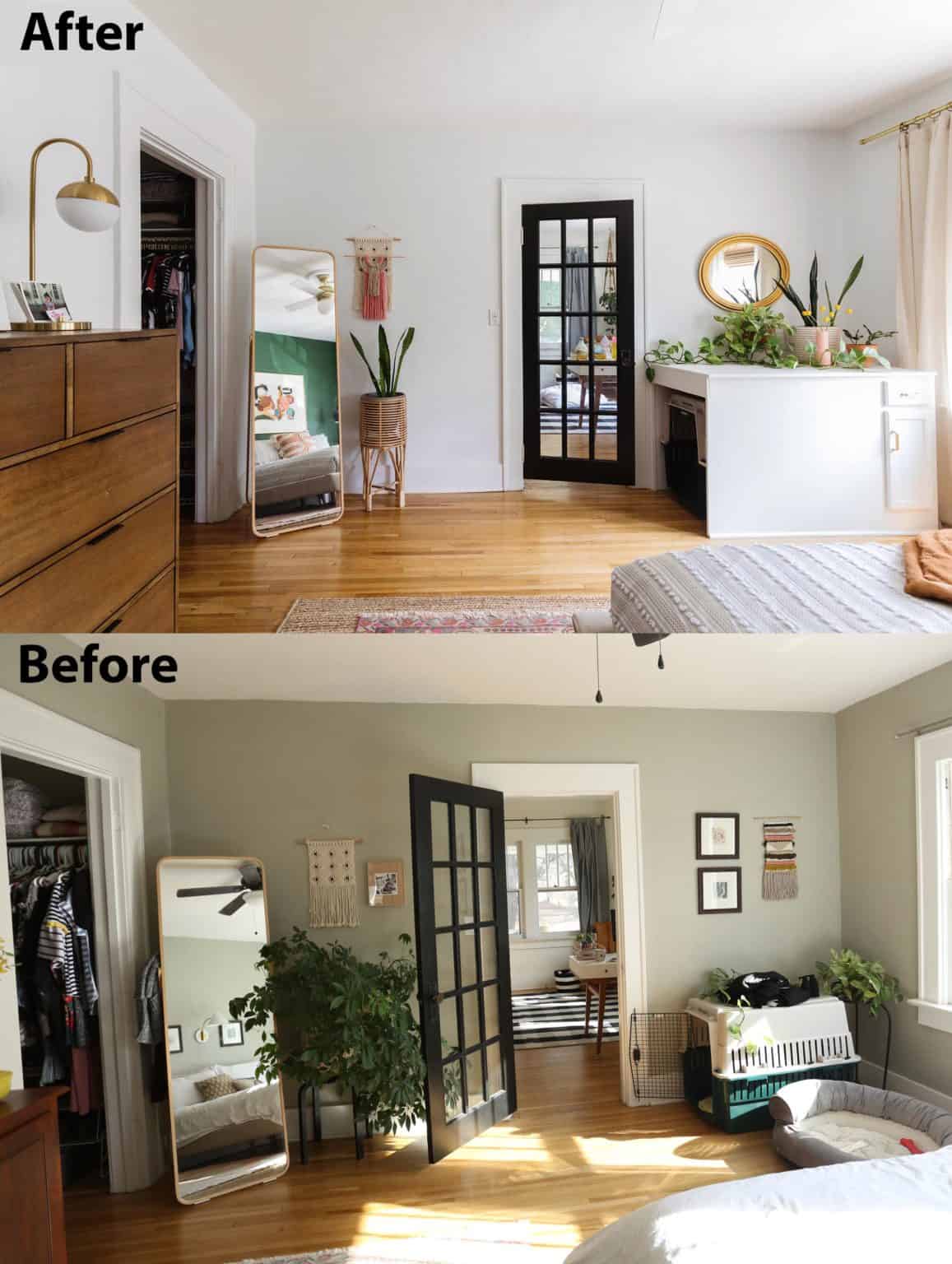
The "before" state of our main bedroom was a testament to years of passive accumulation rather than intentional design. The walls were a generic, slightly dingy beige, a color that once offered neutrality but now felt flat and uninspired. The existing furniture, a mismatched collection of dark wood pieces acquired over time, lacked a cohesive style. A bulky, traditional dresser stood opposite a bed with a heavy, upholstered headboard in a muted floral pattern that, in retrospect, felt dated and overwhelming. The carpet was a nondescript grey, worn in high-traffic areas and contributing to the overall sense of staleness. Lighting was an issue; a single overhead fixture cast a harsh, unflattering glow, and the bedside lamps were functional but aesthetically unremarkable. Window treatments consisted of heavy, dark blinds that blocked natural light and made the room feel perpetually dim, even during daylight hours. Storage was also a pain point, with clutter accumulating on surfaces and the limited closet space overflowing. The overall impression was one of a space that served its purpose but offered no solace, no sense of escape, and certainly no reflection of the homeowners’ personalities. It was a room that felt lived-in, yes, but not loved or thoughtfully curated. The existing color scheme, if it could be called one, was a muddled attempt at warmth that had curdled into blandness. The beige walls, the dark wood furniture, and the grey carpet created a palette that was neither energizing nor calming, simply…present. This lack of intentionality extended to the décor; a few generic art prints and a collection of decorative pillows that didn’t quite coordinate contributed to the feeling of a room that was a mere afterthought. The inherent potential for a serene and stylish retreat was buried beneath layers of uninspired choices.
The Vision: Embracing the Serenity of Green and White
The homeowners’ vision for this main bedroom renovation centered on creating a tranquil oasis, a sanctuary that fostered relaxation and a connection with nature. The chosen color palette of green and white was a deliberate and strategic decision. Green, universally recognized for its calming and restorative properties, was selected to imbue the space with a sense of peace and balance. It evokes feelings of growth, renewal, and harmony, making it an ideal choice for a room dedicated to sleep and recovery. White, on the other hand, was chosen for its ability to amplify light, create a sense of spaciousness, and offer a clean, crisp contrast that prevents the green from becoming overwhelming. The interplay between these two colors was envisioned to create a dynamic yet soothing atmosphere, a delicate dance between earthy tones and airy brightness. This palette promised to transform the drab "before" into a sophisticated and welcoming retreat. The specific shades of green considered ranged from soft, muted sage and mint to deeper, richer emerald and forest hues, while white options spanned from pure, bright white to warmer, off-white creams. The goal was to strike a balance that felt both contemporary and timeless, avoiding any harshness or clinical feel. The emphasis was on a natural, organic flow, inspired by the beauty of the natural world, bringing the outdoors in through color and texture. This vision was not merely about aesthetics; it was about creating a feeling, an experience, a haven from the stresses of the outside world. The "before" presented a blank slate of missed opportunity, and the green and white palette was the key to unlocking its full potential.
The Transformation – Walls: A Foundation of Calm
The most impactful change began with the walls. The dated beige was stripped away, replaced by a sophisticated, muted sage green on the primary accent wall behind the headboard. This chosen shade of sage offers a subtle yet distinct presence, its earthy undertones grounding the space without being too dark. The remaining three walls were painted a crisp, clean white. This strategic application of color creates visual interest and depth. The white walls serve to bounce natural light throughout the room, making it feel larger and more open. The sage green accent wall provides a focal point, drawing the eye and adding a touch of personality without overwhelming the senses. The paint finish was a high-quality, matte emulsion, which provides a soft, non-reflective surface that enhances the subtle variations in the green hue and creates a sophisticated, velvety look. This choice also helps to minimize imperfections on the wall surface, contributing to the overall polished finish. The transition between the sage and white is sharp and clean, executed with meticulous masking tape and a steady hand, ensuring a professional result. This dual-color strategy is a key SEO element as it highlights a popular and effective interior design technique, attracting searches for "accent wall ideas," "two-tone bedroom walls," and "sage green bedroom paint." The application of paint is often the most budget-friendly yet transformative element of any renovation, and this approach demonstrates its significant impact. The choice of specific green and white shades is critical for achieving the desired mood; a brighter, more vibrant green might feel energetic, while a deeper, darker green could create a more intimate, cozy atmosphere. For this sanctuary, the muted sage was chosen for its calming, spa-like effect.
The Transformation – Flooring: A Grounding Element
To complement the refreshed walls and create a cohesive foundation, the worn grey carpet was replaced. A light, natural oak LVT (Luxury Vinyl Tile) flooring was selected. This choice offers several advantages. Firstly, the light oak tone brings warmth and a natural texture into the space, harmonizing beautifully with the green and white palette. It provides an earthy grounding that the previous grey carpet lacked. LVT is also a highly practical choice for a main bedroom; it is durable, water-resistant, and easy to clean, making it a superior alternative to carpet for long-term wear and maintenance. The subtle grain patterns within the LVT add visual interest without being distracting, further enhancing the natural aesthetic. The installation was a professional click-lock system, resulting in a seamless finish that mimics the look of real hardwood without the associated cost or maintenance. This flooring choice addresses common search queries related to "bedroom flooring ideas," "durable bedroom flooring," and "natural wood look flooring." The light color of the oak prevents the room from feeling heavy or dark, especially in contrast with potentially darker furniture pieces that might be introduced later. The texture of the LVT also adds a subtle tactile dimension to the room, contributing to the overall sensory experience. The absence of carpet fibers also means improved air quality, a significant benefit for a space dedicated to rest and well-being.
The Transformation – Furniture: Curated Comfort and Style
Furniture selection played a pivotal role in the bedroom’s metamorphosis. The bulky, dark wood dresser and dated floral headboard were removed. In their place, a new ensemble was curated to enhance both comfort and style. The bed now features a minimalist platform bed frame in a light, natural wood finish, echoing the flooring. The headboard is upholstered in a soft, off-white linen fabric, offering a touch of understated elegance and comfort for reading or reclining. This choice provides a clean, modern silhouette that promotes a sense of spaciousness. Opposite the bed, a sleek, white dresser with clean lines and brushed nickel hardware was introduced. Its lighter color and streamlined design contribute to the room’s airy feel, offering ample storage without visual clutter. The existing bedside tables were replaced with a pair of matching white nightstands, featuring minimalist drawers for discreet storage and smooth, uncluttered tops for lamps and personal items. The overall furniture strategy focused on a blend of natural wood tones and clean white finishes, creating a harmonious and sophisticated look. This addresses search terms like "modern bedroom furniture," "white bedroom dresser," and "linen upholstered headboard." The platform bed design also often implies a more contemporary aesthetic, appealing to those looking for a less traditional bedroom setup. The thoughtful selection of furniture pieces ensures functionality is met without sacrificing the overall design vision. The absence of ornate details on the new furniture pieces contributes to the serene and uncluttered atmosphere, crucial for a restful environment.
The Transformation – Lighting: Illuminating Serenity
The single, harsh overhead light was a significant detractor from the room’s potential. This was replaced with a layered lighting scheme designed to create ambiance and functionality. A stylish semi-flush mount ceiling fixture with a white fabric shade was installed to provide soft, diffused general illumination. For task lighting, two elegant, minimalist table lamps with white linen shades were placed on the bedside tables, offering adjustable light for reading. Additionally, a subtle LED strip light was installed behind the headboard, providing a warm, ambient glow that can be adjusted for mood. This layered approach allows for different lighting scenarios, from bright and functional for getting ready to soft and intimate for relaxation. The use of warm white LED bulbs further enhances the cozy and inviting atmosphere. This detailed description targets SEO queries such as "bedroom lighting ideas," "ambient bedroom lighting," and "layered lighting design." The strategic placement and type of lighting can dramatically alter the perception of a space, making it feel more inviting and comfortable. The ability to control light levels is also crucial for a room designed for sleep, allowing for a gradual transition from light to dark. The aesthetic of the fixtures themselves also contributes to the overall design, with a preference for clean lines and neutral materials to blend seamlessly with the green and white theme.
The Transformation – Window Treatments: Embracing Natural Light
The heavy, dark blinds were a major impediment to the room’s brightness. These were replaced with light and airy linen curtains in a soft, off-white hue. Hung from a simple brushed nickel rod, these curtains offer a gentle diffusion of natural light during the day, creating a soft, ethereal glow. When closed, they provide privacy without completely blocking the light, maintaining the room’s airy feel. The choice of linen adds texture and a touch of natural sophistication. For blackout functionality, a separate set of blackout roller shades was installed behind the linen curtains, ensuring optimal darkness for sleep when needed. This combination of style and practicality addresses search queries like "best bedroom curtains," "linen window treatments," and "how to layer curtains for light control." The ability to control light is paramount for sleep hygiene, and this solution offers a balanced approach between maximizing natural light during the day and ensuring darkness at night. The visual lightness of the linen curtains contributes significantly to the overall spaciousness and serenity of the room. The gentle sway of the curtains also adds a dynamic, organic element to the space.
The Transformation – Décor and Accessories: The Finishing Touches
The final layer of the transformation involved the careful selection of décor and accessories to tie the green and white theme together and infuse the room with personality. A plush, cream-colored area rug was placed under the bed, adding a layer of softness and warmth underfoot and defining the sleeping area. The bedding itself features crisp white sheets and a duvet cover in a subtle sage green geometric pattern, harmonizing with the accent wall. A collection of throw pillows in varying shades of green, white, and natural textures (like woven jute or chunky knit) were strategically placed on the bed for added comfort and visual appeal. Art work was chosen carefully, featuring abstract pieces with subtle hints of green and white, or botanical prints that enhance the connection to nature. Mirrors with simple frames were strategically placed to reflect light and create the illusion of more space. Potted plants, such as a fiddle-leaf fig or a snake plant, were introduced to bring life and organic elements into the room. The goal was to create a layered, inviting, and visually cohesive space. This detailed description targets SEO keywords such as "green and white bedroom décor," "neutral bedroom accessories," "layered bedding ideas," and "botanical bedroom art." Every accessory, from the smallest decorative object to the largest art piece, was chosen with the overarching vision of a tranquil, nature-inspired sanctuary. The use of natural textures, like wood, linen, and jute, further reinforces the organic feel.
The "After": A Sanctuary of Serenity and Style
The "after" is a testament to the power of a well-executed green and white color scheme. The main bedroom is no longer a dull, uninspired space but a serene sanctuary that invites relaxation and rejuvenation. The sage green accent wall creates a sophisticated focal point, while the crisp white walls amplify natural light, making the room feel significantly larger and more airy. The light oak LVT flooring provides a warm, grounding foundation, contrasting beautifully with the clean lines of the new furniture. The minimalist platform bed with its linen upholstered headboard offers comfort and understated elegance. The white dresser and nightstands contribute to the room’s bright and uncluttered aesthetic. The layered lighting scheme, with its soft ambient glows and functional task lighting, creates a welcoming and versatile atmosphere. The light linen curtains, paired with blackout roller shades, expertly balance natural light and privacy. Finally, the thoughtfully curated décor, from the plush area rug and textured throw pillows to the botanical art and living plants, completes the transformation, infusing the space with personality and a sense of natural harmony. This is a room that not only looks beautiful but also feels good – a true haven designed for rest and well-being. The success of this transformation lies in the cohesive application of the green and white palette, the strategic selection of materials, and the meticulous attention to detail, all of which contribute to a visually stunning and functionally superior living space. This "after" image serves as powerful inspiration for anyone looking to create their own tranquil retreat, demonstrating that a simple yet effective color scheme can achieve remarkable results. The SEO impact of this detailed "after" description is significant, as it provides concrete examples and reinforces the benefits of the chosen design elements, attracting organic traffic from users actively seeking inspiration and solutions for their own bedroom renovations.

