
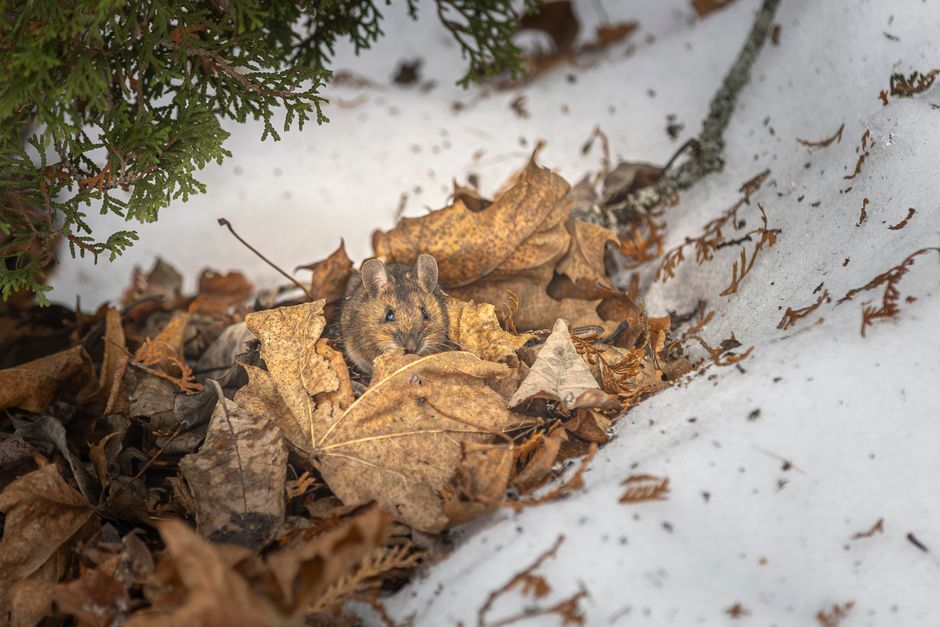
Wintering vs. Hibernation: A Deep Dive into Overwintering Strategies
The cessation of most outdoor activity during winter months for many species is a well-observed phenomenon, but the underlying biological mechanisms are diverse and often misunderstood. While both "wintering" and "hibernation" represent adaptations to survive periods of cold, scarcity, and reduced daylight, they are not synonymous. Understanding the distinctions between these overwintering strategies is crucial for comprehending the ecological dynamics of various organisms and the intricate ways life persists through harsh seasons. This article will dissect the nuances of wintering and hibernation, exploring their physiological underpinnings, behavioral manifestations, and ecological implications.
Hibernation, a term often used broadly, refers to a specific state of metabolic depression and inactivity that some animals enter to survive cold periods. It is characterized by a significant and regulated drop in body temperature, heart rate, breathing rate, and overall metabolic activity. This state is not merely sleep; it is a profound physiological shutdown that allows the animal to conserve energy when food is scarce and temperatures are too low for normal activity. The depth and duration of hibernation can vary greatly between species, but it is fundamentally a controlled, reversible hypothermic state. True hibernators often store significant fat reserves prior to entering their dormant period, providing the sole source of energy throughout hibernation. During hibernation, an animal may periodically arouse from its torpor, a process that requires a substantial energy expenditure to rewarm the body. These arousals are thought to be crucial for essential biological functions like waste elimination, immune system maintenance, and potentially for replenishing depleted tissues.
Wintering, on the other hand, is a more generalized term encompassing a broader spectrum of survival strategies employed by organisms to endure winter conditions. It does not necessarily involve the drastic metabolic depression characteristic of hibernation. Instead, wintering can manifest in various forms, including migration, behavioral adaptations like seeking shelter, changes in diet, or physiological adjustments that are less extreme than those seen in hibernation. For instance, some animals might become less active but remain awake and capable of foraging when conditions permit. Others might enter a state of torpor, which is similar to hibernation but typically shorter in duration and less profound in its physiological changes. This can be a daily occurrence, with animals lowering their body temperature and metabolic rate at night and rewarming in the morning, especially in environments with fluctuating temperatures.
The physiological mechanisms underpinning hibernation are complex and involve precise hormonal and neural control. Key regulators include hormones like thyroxine and melatonin, which influence metabolic rate and circadian rhythms. During hibernation, the body’s thermoregulatory set point is dramatically lowered, allowing for a significant drop in core body temperature. This reduction in temperature slows down all biochemical processes, drastically decreasing the need for energy. The heart rate can plummet from hundreds of beats per minute to just a few, and respiration can become extremely shallow and infrequent. The body’s ability to tolerate low oxygen levels and high carbon dioxide levels is also enhanced. Fat metabolism is crucial, as the body breaks down stored adipose tissue for energy, producing metabolic water in the process. This water is essential, as drinking water is typically unavailable during hibernation. The ability to withstand prolonged periods of inactivity and extreme physiological downregulation is a testament to evolutionary adaptation.
In contrast, wintering strategies often involve less drastic physiological changes. Migration, for example, is a behavioral adaptation where animals move to warmer climates or areas with more abundant food resources. This is not a physiological shutdown but a shift in geographical location. Animals that remain in colder regions and winterize might exhibit physiological adaptations such as increased fur density, a thicker layer of subcutaneous fat (though not necessarily for extreme energy reserves like hibernators), or changes in blood composition to improve oxygen transport at lower temperatures. Some species, like certain amphibians and reptiles, can survive freezing through cryoprotection, where their cells accumulate compounds that prevent ice crystal formation and cellular damage. This is a remarkable physiological feat, but it differs from the controlled hypothermia of hibernation.
Behavioral adaptations are central to both wintering and hibernation. Hibernators often select a den or burrow that provides insulation and protection from predators. They meticulously prepare this den, lining it with insulating materials. The timing of hibernation entry and emergence is also critical, influenced by environmental cues such as temperature, photoperiod (day length), and food availability. For wintering animals that do not hibernate, behavioral strategies are equally important. This can include huddling together for warmth, foraging for less nutritious but available food sources, or altering activity patterns to coincide with periods of more favorable conditions. For instance, diurnal animals might become more crepuscular (active at dawn and dusk) or even nocturnal to avoid the coldest parts of the day. The development of a thicker winter coat or plumage is another significant behavioral and physiological adaptation, providing crucial insulation.
The ecological consequences of these overwintering strategies are profound. Hibernation plays a significant role in population dynamics by allowing species to survive periods of resource scarcity that would otherwise lead to mass mortality. This can impact predator-prey relationships, as hibernators are largely removed from the ecosystem during their dormant period. The availability of hibernating animals as a food source upon emergence can also influence the populations of their predators. Wintering strategies, through migration or continued activity, contribute to the maintenance of ecosystem functions throughout the year. Migratory species, for example, play vital roles in nutrient cycling and seed dispersal in both their breeding and overwintering grounds. Species that remain active throughout winter continue to exert selective pressures on their prey and contribute to the overall biodiversity and resilience of the ecosystem.
Let’s delve deeper into the metabolic aspects. During hibernation, the metabolic rate can drop to as low as 1-2% of the normal resting metabolic rate. This extreme reduction is achieved through a combination of decreased core body temperature, reduced heart rate and stroke volume, decreased breathing rate and tidal volume, and a decrease in the sensitivity of tissues to hormonal signals. The body becomes exquisitely efficient at utilizing stored fat. The ratio of fat to carbohydrates utilized is much higher than in normal metabolism. The rewarming process during hibernation is energetically expensive, requiring a significant increase in metabolic rate, often achieved through non-shivering thermogenesis, which involves the breakdown of brown adipose tissue.
Wintering strategies, while not involving such extreme metabolic depression, can still involve significant energy conservation. Animals that forage less but have a higher metabolic rate during periods of activity might rely on more calorie-dense food sources, even if they are less abundant. The development of a thicker coat in mammals or denser plumage in birds is a prime example of reducing heat loss, thus conserving metabolic energy. For ectotherms (cold-blooded animals) that winter, their strategies often involve finding microhabitats that offer better temperature regulation, such as overwintering in soil, under leaf litter, or in water bodies that remain unfrozen. The ability to tolerate a certain degree of cold and dehydration is also critical for many wintering ectotherms.
The term "daily torpor" is often confused with hibernation. Daily torpor is a short-term state of metabolic depression that occurs over a period of hours, typically daily. It is a way for animals to reduce energy expenditure during periods of unfavorable conditions, such as cold nights or when food is temporarily scarce. While it shares some physiological similarities with hibernation, such as a lowered body temperature and metabolic rate, its duration and depth are significantly less. Many small mammals, birds, and even insects can experience daily torpor. For instance, hummingbirds often enter daily torpor at night to conserve energy. This is a crucial adaptation for small animals with high metabolic rates and limited fat reserves.
The distinction between wintering and hibernation also extends to the types of animals employing these strategies. True hibernation is primarily observed in mammals, such as ground squirrels, bats, and bears (though bear hibernation is often considered a less extreme form, sometimes referred to as torpor). Invertebrates also exhibit forms of overwintering that can resemble hibernation, often through diapause, a period of suspended development or greatly reduced metabolic activity. Amphibians and reptiles may hibernate or enter a state of brumation, a reptilian form of hibernation characterized by lowered metabolic rate and activity, but often with less of a drop in body temperature than mammalian hibernation. Birds generally do not hibernate but rely on migration or other wintering strategies, as their high metabolic rate makes prolonged hibernation difficult.
The ecological niche occupied by a species often dictates its overwintering strategy. Animals in temperate and polar regions face more extreme winter conditions, necessitating more robust survival mechanisms. Species with limited mobility or those reliant on specific food sources that disappear in winter are more likely to evolve hibernation or other forms of deep dormancy. Conversely, species with greater mobility or a more generalized diet might opt for migration or behavioral adjustments. The interconnectedness of ecosystems means that the success of one species’ overwintering strategy can have cascading effects on others. For example, the availability of hibernating rodents as a food source for owls is critical for owl populations in areas with harsh winters.
Understanding the scientific classifications is important. While "wintering" is a broad, descriptive term, "hibernation" refers to a specific physiological state. Within hibernation, there are further distinctions, such as deep hibernation and shallow hibernation. Bears, for instance, enter a state of torpor that is often less profound than true hibernation. Their body temperature drops, but not to the extreme levels seen in hibernating ground squirrels, and they can be aroused more easily. This highlights the spectrum of adaptations within the broader category of overwintering.
In conclusion, while both wintering and hibernation are vital adaptations for survival during harsh winter conditions, they represent distinct strategies. Hibernation is a state of profound physiological depression, characterized by significantly lowered body temperature, heart rate, and metabolic activity, primarily seen in mammals and some invertebrates. Wintering, a more general term, encompasses a wider range of survival mechanisms, including migration, behavioral adaptations like seeking shelter and huddling, and less extreme physiological adjustments. These diverse strategies underscore the remarkable adaptability of life and are fundamental to the ecological balance and resilience of ecosystems worldwide. The precise mechanisms, evolutionary pressures, and ecological consequences of each strategy contribute to the intricate tapestry of life’s persistence through the challenging winter months.

