
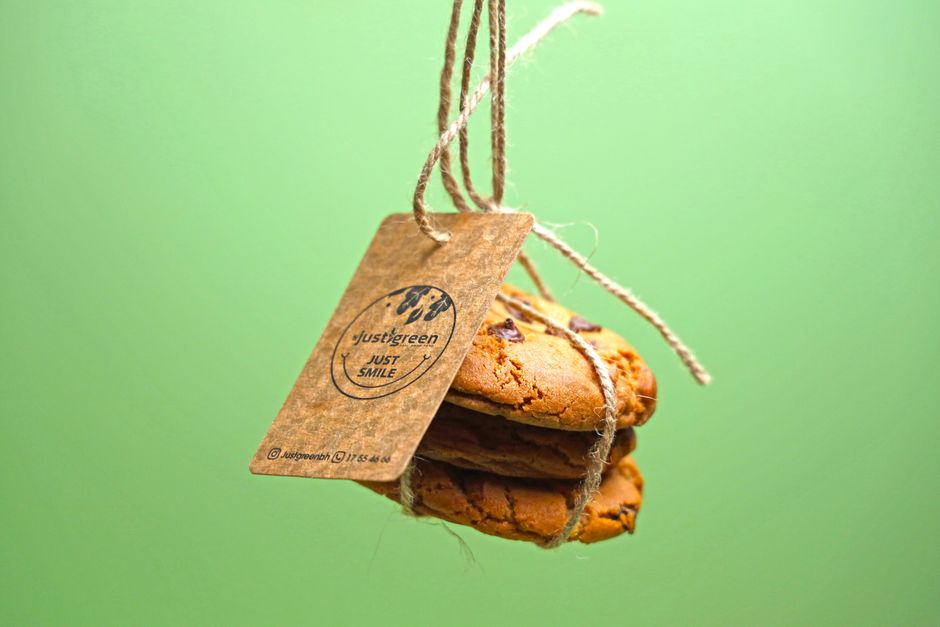
The Ultimate Guide to Tag Chocolate Chip Cookies: Mastering the Art of a Beloved Classic
The tag chocolate chip cookie, a universally recognized and adored confection, represents more than just a simple baked good; it’s a cornerstone of comfort food, a symbol of home-baked goodness, and a testament to the enduring appeal of simple, high-quality ingredients. While the fundamental concept of a chocolate chip cookie is straightforward, achieving that perfect balance of chewy interior, crisp edges, and a symphony of chocolatey pockets requires a nuanced understanding of ingredients, techniques, and the subtle art of baking. This comprehensive guide delves into every facet of creating exceptional tag chocolate chip cookies, from the foundational elements of flour and fat to advanced troubleshooting and flavor enhancement.
The foundation of any superior tag chocolate chip cookie lies in the precise ratio and quality of its core components. Flour, the structural backbone, typically comprises all-purpose flour, providing a reliable balance of gluten development. However, experimenting with a small percentage of bread flour can introduce a slightly chewier texture due to its higher protein content. Conversely, cake flour, with its lower protein, can lead to a more tender cookie, though it might sacrifice some of the desirable chew. The key is finding the right blend for your desired outcome. Leavening agents are crucial for achieving the characteristic lift and spread. Baking soda, activated by acidic ingredients like brown sugar, is the primary leavener, promoting spread and a crispier edge. Baking powder, a double-acting leavener, contributes to a puffier, more cake-like texture if used excessively. The interplay between these two agents, alongside the fat content, dictates the cookie’s final form.
Fat, in the context of tag chocolate chip cookies, is paramount to flavor, texture, and spread. Unsalted butter is the undisputed champion, offering a rich, complex flavor profile that cannot be replicated by other fats. Crucially, the temperature of the butter is non-negotiable. For cookies that spread and crisp, softened butter, approximately 65-70°F (18-21°C), is ideal. This allows it to cream effectively with sugar, incorporating air for lightness and facilitating even distribution throughout the dough. Melted butter will result in flatter, denser, and often greasy cookies. A common misconception is that substituting margarine or shortening will yield similar results; while they contribute to spread, they lack the nuanced flavor of butter and can alter the cookie’s texture significantly, often leading to a more uniform, less appealing crumb.
Sugar plays a dual role in tag chocolate chip cookies. Granulated sugar contributes to crispness and encourages spreading due to its ability to caramelize. Brown sugar, whether light or dark, is indispensable for achieving chewiness and moisture. The molasses content in brown sugar not only imparts a distinct caramel note but also hygroscopically attracts water, keeping the cookie soft and chewy for longer. A typical recipe utilizes a combination of both granulated and brown sugar, with a higher ratio of brown sugar generally favoring a chewier cookie. The creaming process, whereby butter and sugar are beaten together until light and fluffy, is a critical step. This aeration creates tiny air pockets that expand during baking, contributing to the cookie’s structure and preventing a dense, hockey-puck-like outcome. Over-creaming can incorporate too much air, leading to excessive spreading and a potentially crumbly texture, while under-creaming will result in a denser, less developed cookie.
Eggs, the binding agents, also contribute to richness and structure. Large eggs are standard, and their temperature is important. Room temperature eggs emulsify more readily with the fat and sugar mixture, resulting in a smoother dough and a more uniform cookie. Cold eggs can cause the fat to seize, leading to a less homogenous dough and potentially uneven baking. The yolk provides fat and emulsifiers, contributing to richness and chew, while the white provides protein for structure and a slight crispness. Some recipes advocate for using an extra egg yolk for an even chewier, richer cookie. The quality of the chocolate is a non-negotiable factor in a truly exceptional tag chocolate chip cookie. While chips are convenient, using a combination of high-quality chocolate chips and chopped chocolate bars offers a more complex flavor and varied texture. Semi-sweet is the classic choice, but exploring dark chocolate (60-70% cacao) or even milk chocolate can add new dimensions. The percentage of cacao directly influences sweetness and bitterness. For a truly indulgent experience, consider using chocolate discs or fèves, which melt beautifully and create glorious pools of molten chocolate within the cookie.
The ratio of chocolate to dough is also a matter of personal preference and recipe design. Some bakers prefer a cookie where chocolate is generously distributed, while others favor a more subtle presence. A good starting point is generally 1:1 or slightly more chocolate than dough by weight for a robust chocolate experience. The size and shape of the chocolate pieces also matter. Smaller chips will distribute more evenly, while larger chunks will create dramatic molten pockets.
Beyond the fundamental ingredients, technique plays an equally vital role in tag chocolate chip cookie perfection. Measuring flour accurately is crucial. The "scoop and sweep" method, where the measuring cup is scooped directly from the flour bin and then leveled off with a straight edge, can compact the flour, leading to a dry, dense cookie. The preferred method is the "spoon and level" technique: spoon the flour into the measuring cup and then level it off with a straight edge. Alternatively, weighing flour using a kitchen scale provides the most precise and consistent results.
The chilling of cookie dough is a technique often overlooked but profoundly impactful. Refrigerating cookie dough for at least 30 minutes, and ideally 24-72 hours, allows several beneficial processes to occur. First, the fat solidifies, which slows down spreading during baking, resulting in thicker cookies. Second, the flour hydrates, allowing the gluten to relax and reducing toughness, contributing to a chewier texture. Finally, the flavors meld and deepen, creating a more complex and satisfying taste. For maximum flavor development, an overnight chill is highly recommended.
When scooping the dough, uniformity is key for even baking. Using a cookie scoop of a consistent size ensures that all cookies bake at the same rate. Overcrowding the baking sheet is another common pitfall. Cookies spread during baking, so allowing adequate space between each mound of dough is essential to prevent them from merging into a single, unmanageable mass.
Baking temperature and time are critical variables that directly impact the cookie’s final texture and appearance. Preheating the oven thoroughly is non-negotiable. A consistently hot oven ensures that the cookies bake evenly from the moment they are placed inside. The typical baking temperature for tag chocolate chip cookies hovers around 350-375°F (175-190°C). Lower temperatures will lead to more spread and crispier cookies, while higher temperatures will result in a faster bake, potentially with a softer interior and crisper edges, but also a higher risk of burning.
Baking time is highly dependent on the size of the cookie, the oven’s calibration, and the desired doneness. Cookies are generally considered done when the edges are set and lightly golden brown, while the centers still appear slightly soft and underbaked. This is because cookies continue to bake on the hot baking sheet after being removed from the oven due to residual heat. Underbaking slightly will yield a chewier cookie, while overbaking will result in a crispier, potentially drier cookie. A visual cue is paramount; relying solely on a timer can be misleading.
Cooling the cookies properly is the final, yet crucial, step. Allowing cookies to cool on the baking sheet for a few minutes before transferring them to a wire rack facilitates continued cooking while preventing them from breaking apart. The wire rack allows air to circulate around the cookies, preventing the bottoms from becoming soggy.
Troubleshooting common tag chocolate chip cookie issues is an essential part of mastering the craft. If cookies are spreading too much, potential culprits include too much butter, butter that is too soft or melted, insufficient flour, or an oven temperature that is too low. Conversely, if cookies are too flat and dense, it might be due to over-creaming the butter and sugar, using too much flour, or not enough leavening. For cookies that are too cakey, a higher ratio of granulated sugar to brown sugar, too much baking powder, or an oven temperature that is too high could be the cause. If the cookies are consistently burning on the bottom, the oven temperature might be too high, or the baking sheet may be too thin. Using a baking stone or an insulated baking sheet can help to mitigate this.
Flavor enhancement is where personalization truly shines. While the classic recipe is beloved, there are myriad ways to elevate the tag chocolate chip cookie. A pinch of flaky sea salt sprinkled on top just before baking not only provides a delightful textural contrast but also accentuates the sweetness and the chocolate flavors. Vanilla extract is standard, but exploring other extracts like almond, coffee, or even a hint of cinnamon can introduce subtle yet impactful flavor nuances. The quality of the vanilla extract itself makes a difference; opt for pure vanilla extract over imitation. Incorporating ingredients like toasted nuts (walnuts, pecans), toffee bits, or even a swirl of caramel can transform the cookie into a gourmet treat. For a more sophisticated flavor profile, consider adding a tablespoon or two of espresso powder to the dry ingredients; this intensifies the chocolate flavor without imparting a coffee taste. A touch of orange zest can also add a bright counterpoint to the rich chocolate.
The storage of tag chocolate chip cookies also impacts their longevity and texture. Once completely cooled, cookies can be stored in an airtight container at room temperature for 3-5 days. For longer storage, they can be frozen either as baked cookies or as dough balls. Freezing baked cookies is best done in a single layer on a baking sheet until firm, then transferred to a freezer-safe bag or container. Frozen dough balls can be baked directly from frozen, adding a few extra minutes to the baking time.
In conclusion, the tag chocolate chip cookie, seemingly simple, is a complex interplay of ingredients, technique, and temperature. Mastering its creation involves a deep understanding of how each element contributes to the final product. From the precise measurement of flour and the optimal temperature of butter to the crucial chilling period and the visual cues of perfect doneness, every step holds significance. By embracing these principles and experimenting with flavor enhancements, one can consistently produce tag chocolate chip cookies that are not merely baked goods but edible works of art, embodying comfort, joy, and the enduring magic of a perfectly executed classic. The journey to the ultimate tag chocolate chip cookie is a delicious one, paved with precise measurements, patient chilling, and the unwavering pursuit of that perfect, chocolate-laden bite.

