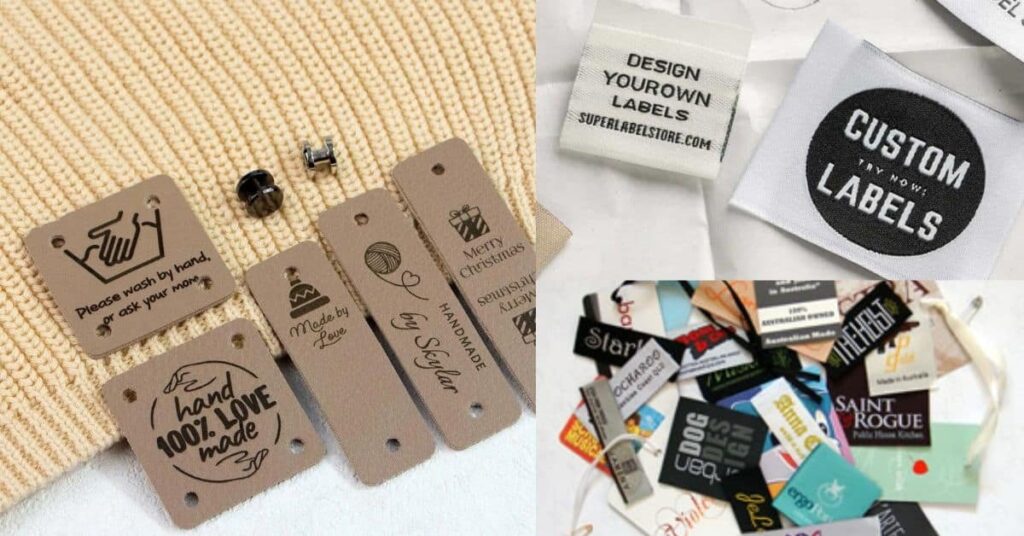

Tagging the Future: Launching a New Clothing Brand in a Crowded Market
The contemporary fashion landscape is a vibrant, albeit crowded, arena. Establishing a new clothing brand demands more than just compelling designs; it requires a strategic, data-driven approach to brand creation, market penetration, and sustained growth. This article delves into the critical elements for tagging a new clothing brand for success, focusing on SEO principles, consumer psychology, and operational excellence. From initial concept development and target audience identification to manufacturing, marketing, and ethical considerations, each facet is analyzed to provide a roadmap for aspiring fashion entrepreneurs.
Defining Your Brand’s Identity: The Cornerstone of Tagging
Before any physical product is conceptualized, a robust brand identity must be established. This is the bedrock upon which all subsequent marketing and branding efforts will be built. For a new clothing brand, this means articulating a clear and compelling narrative. What problem does your brand solve? What void does it fill in the market? What are its core values? These questions are paramount. SEO starts here. Your brand’s unique selling proposition (USP) will directly inform your keyword strategy. For instance, a brand focusing on sustainable activewear will naturally target keywords related to "eco-friendly leggings," "recycled gym clothes," or "ethical workout gear."
Consider a hypothetical brand, "Aethel," specializing in minimalist, ethically-sourced linen apparel for professionals. Their identity would be built around durability, timeless design, and conscious consumption. Their USP is the intersection of sophisticated workwear and environmental responsibility. This identity needs to be consistently reflected in all touchpoints: logo design, website aesthetic, social media presence, and product descriptions. A strong brand identity creates an emotional connection with the target audience, fostering loyalty beyond mere transactional purchases. This emotional resonance is a powerful, albeit intangible, asset that contributes significantly to brand equity and long-term customer retention.
Target Audience Segmentation: Precision Tagging for Maximum Impact
The era of mass marketing is largely over. Successful new clothing brands precisely target specific consumer segments. Identifying your ideal customer is not just about demographics (age, gender, income) but also psychographics (values, interests, lifestyle, aspirations). Who are they? Where do they shop? What influences their purchasing decisions? What social media platforms do they frequent? The answers to these questions will shape your product development, marketing messaging, and distribution channels.
For Aethel, the target audience might be defined as: "Environmentally conscious professionals, aged 28-45, residing in urban centers, with a moderate to high disposable income, who value quality over quantity, appreciate minimalist aesthetics, and are active on platforms like Instagram and LinkedIn, seeking versatile clothing that transitions from office to casual settings." This granular understanding allows for hyper-targeted advertising campaigns and content creation that directly resonates with their needs and desires. Ignoring this step leads to diluted marketing efforts and wasted resources, effectively failing to "tag" the right consumer.
Product Development and Differentiation: The Tangible Tag
The product itself is the most direct "tag" a clothing brand offers. In a saturated market, differentiation is key. This can be achieved through unique design, innovative materials, superior craftsmanship, functional benefits, or a combination of these. The product must align with the established brand identity and appeal to the identified target audience.
Aethel’s linen apparel would be differentiated by its meticulous tailoring, breathable fabric properties ideal for office environments, and a neutral color palette that complements existing wardrobes. The "tag" here is not just the brand name but the inherent qualities of the garment. For SEO, product descriptions are critical. They must be rich in relevant keywords that potential customers are likely to search for. Instead of a generic description like "linen shirt," Aethel’s product page would feature "men’s sustainable linen button-down shirt for work," "women’s breathable linen blouse with classic fit," and "ethical office wear crafted from premium French flax." User-generated content, such as customer reviews and photos, further enhances SEO by providing fresh, keyword-rich content and social proof.
Manufacturing and Supply Chain: Ethical Tagging for Transparency
Consumer awareness regarding ethical and sustainable practices in the fashion industry is at an all-time high. A brand’s commitment to responsible manufacturing and a transparent supply chain is no longer a niche concern but a significant purchasing driver. This ethical "tag" can be a powerful differentiator and a source of brand advocacy.
For Aethel, this would involve sourcing linen from certified organic farms, ensuring fair labor practices in their manufacturing facilities, and utilizing eco-friendly packaging. Communicating these commitments transparently on their website, through blog posts, and on product tags builds trust and appeals to conscious consumers. This transparency can be a direct SEO advantage, as consumers actively search for "sustainable fashion brands," "ethically made clothing," and "fair trade apparel."
Digital Presence and SEO Strategy: The Online Tagging Machine
A robust digital presence, underpinned by a comprehensive SEO strategy, is non-negotiable for a new clothing brand. Your website is your digital storefront, and its visibility in search engine results is paramount.
Keyword Research: This is the foundation of any SEO strategy. Identify terms your target audience uses to find products like yours. Tools like Google Keyword Planner, SEMrush, and Ahrefs are invaluable. For Aethel, core keywords would include: "linen clothing," "sustainable workwear," "minimalist fashion," "ethical apparel," "breathable shirts," and "eco-friendly trousers." Long-tail keywords (more specific phrases) are also crucial, such as "organic linen dress for summer office" or "recycled cotton blend knitwear."
On-Page Optimization: This involves optimizing individual web pages for search engines. This includes:
- Meta Titles and Descriptions: Crafting compelling, keyword-rich titles and descriptions for each page that entice users to click.
- Header Tags (H1, H2, H3): Structuring content with clear headings that incorporate relevant keywords.
- Image Alt Text: Describing images using keywords to improve image search visibility and accessibility.
- Content Quality: Creating informative, engaging, and keyword-optimized product descriptions, blog posts, and ‘About Us’ pages.
Technical SEO: Ensuring your website is technically sound for search engines:
- Website Speed: Optimizing images and code for fast loading times.
- Mobile-Friendliness: Designing a responsive website that functions flawlessly on all devices.
- Sitemaps and Robots.txt: Helping search engines crawl and index your site efficiently.
- SSL Certificate: Ensuring a secure website (HTTPS).
Off-Page SEO: Building authority and trust through external signals:
- Link Building: Acquiring high-quality backlinks from reputable websites in the fashion and sustainability niches.
- Social Media Marketing: Engaging with your audience, sharing content, and driving traffic to your website. Social signals, while not direct ranking factors, contribute to brand visibility and organic discovery.
- Influencer Marketing: Collaborating with relevant influencers to reach a wider audience and generate buzz.
Content Marketing: This is a powerful SEO tool. Creating valuable, informative content (blog posts, guides, lookbooks) that addresses your target audience’s interests and pain points attracts organic traffic and positions your brand as an authority. For Aethel, blog topics could include "The Benefits of Linen for Professional Attire," "Building a Sustainable Capsule Wardrobe," or "How to Care for Your Linen Garments."
Social Media Engagement: Cultivating Community and Buzz
Social media platforms are not just for showcasing products; they are for building communities and fostering brand loyalty. Each platform offers unique opportunities to "tag" your brand in front of potential customers.
Platform Selection: Identify where your target audience spends their time. Instagram is visual, ideal for showcasing product aesthetics. Pinterest is great for inspiration and product discovery. TikTok is for engaging, short-form content and trend participation. LinkedIn can be effective for B2B or professional-focused brands.
Content Strategy: Develop a consistent posting schedule with a mix of product showcases, behind-the-scenes glimpses, user-generated content, and value-driven posts (e.g., styling tips, sustainability facts). High-quality visuals are paramount for fashion brands.
Community Building: Respond to comments and messages promptly, run polls and Q&As, and encourage user-generated content by creating branded hashtags. This fosters a sense of belonging and turns customers into brand advocates.
Paid Social Advertising: Utilize targeted advertising to reach specific demographics and interests, driving traffic to your website and increasing brand awareness.
Public Relations and Media Outreach: Earning the Tag
Securing media coverage from relevant fashion publications, blogs, and influencers can significantly boost credibility and reach. This "earned media" acts as a powerful endorsement.
Targeted Pitching: Identify publications and journalists that align with your brand’s niche and target audience. Craft compelling press releases and personalized pitches that highlight your brand’s unique story and USP.
Building Relationships: Cultivate relationships with fashion editors, stylists, and bloggers. Offer them early access to new collections or exclusive stories.
Collaborations: Partner with complementary brands or artists for cross-promotional opportunities.
E-commerce Platform and User Experience: The Seamless Tag
Your e-commerce platform is where transactions happen. A seamless, intuitive user experience is crucial for converting browsers into buyers.
Platform Choice: Select an e-commerce platform that offers scalability, ease of use, and robust features. Options like Shopify, WooCommerce, and BigCommerce are popular.
Website Design: Ensure a clean, modern, and visually appealing website design that reflects your brand identity. Easy navigation, clear product categories, and high-quality product imagery are essential.
Checkout Process: Streamline the checkout process to minimize cart abandonment. Offer multiple payment options and transparent shipping information.
Customer Service: Provide excellent customer service through live chat, email, or phone support. Prompt and helpful responses can turn a potential issue into a positive customer experience.
Data Analytics and Iteration: Continuous Tagging Refinement
The digital landscape is dynamic. Continuous monitoring and analysis of data are essential for refining your strategy and ensuring ongoing success.
Website Analytics: Track key metrics such as website traffic, bounce rate, conversion rate, and average order value using tools like Google Analytics.
Social Media Analytics: Monitor engagement rates, follower growth, and content performance on social media platforms.
Sales Data: Analyze sales trends to identify best-selling products, customer demographics, and purchasing patterns.
A/B Testing: Experiment with different website layouts, ad creatives, and messaging to optimize performance.
Iterative Strategy: Use the insights gained from data analysis to continuously refine your SEO, marketing, and product development strategies. This agile approach ensures your brand remains relevant and competitive.
The Future of Tagging: Innovation and Adaptation
The fashion industry is constantly evolving. To maintain relevance, new clothing brands must embrace innovation and be prepared to adapt. This includes exploring emerging technologies like augmented reality (AR) for virtual try-ons, leveraging AI for personalized recommendations, and staying abreast of sustainability advancements. The "tag" of a successful clothing brand is not static; it is a dynamic representation of its commitment to quality, its understanding of its audience, and its ability to navigate the ever-changing market landscape. By meticulously "tagging" every aspect of their brand, from its core identity to its digital footprint, new clothing ventures can carve out a distinct and lasting presence.

