The Rise of BIPOC Soap Makers: Crafting Cleanliness, Cultivating Community, and Claiming Space
The artisanal soap industry is experiencing a vibrant and crucial evolution, with Black, Indigenous, and People of Color (BIPOC) soap makers at the forefront. These entrepreneurs are not merely producing handcrafted cleansing products; they are weaving intricate narratives of heritage, self-care, and economic empowerment into every bar. Their emergence represents a significant reclaiming of space within an industry historically dominated by mainstream corporations. BIPOC soap makers are challenging conventional notions of beauty and wellness, infusing their creations with unique cultural influences, natural ingredients, and a deep commitment to ethical and sustainable practices. This article delves into the multifaceted contributions of BIPOC soap makers, exploring their artisanal techniques, the cultural significance embedded in their products, their impact on community building, and the systemic barriers they often navigate. Understanding their journey is essential for consumers seeking authentic, conscious, and ethically produced bath and body goods, and for anyone interested in the growing diversity and innovation within the craft soap sector. The demand for handcrafted soaps, driven by a desire for natural ingredients, unique scents, and a connection to the maker, has created fertile ground for these artisans to flourish. However, the success of BIPOC soap makers is not simply a matter of market opportunity; it’s a testament to their resilience, creativity, and dedication to building businesses that reflect their values and communities.
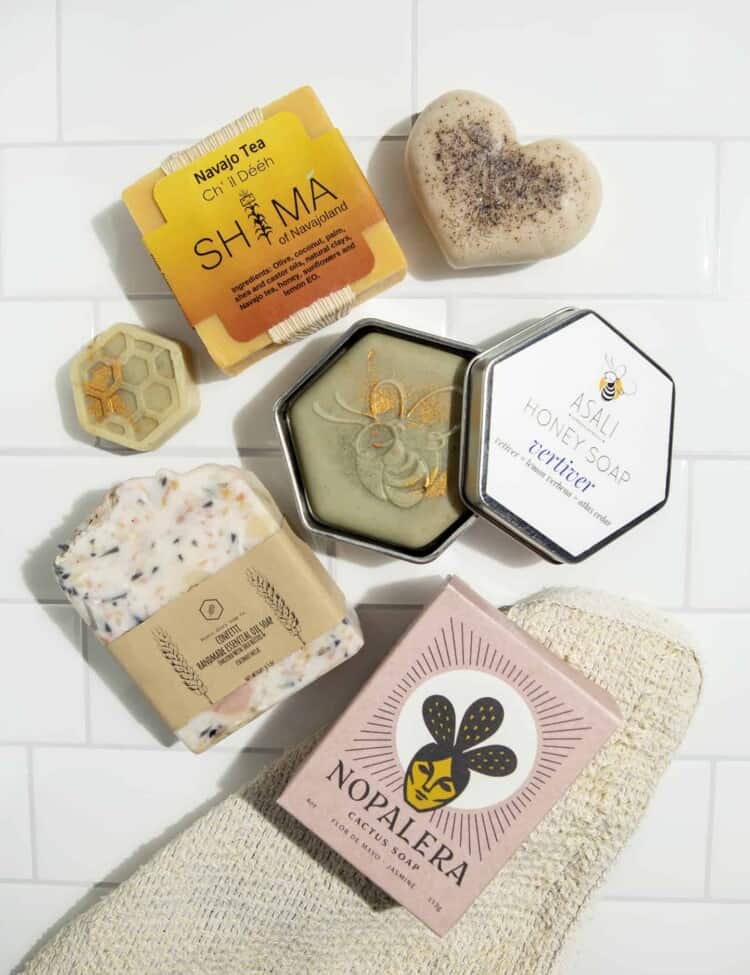
Artisanal soap making, at its core, is a blend of science and artistry. BIPOC soap makers often distinguish themselves through their meticulous attention to ingredient sourcing, a commitment that often extends beyond mere quality to encompass ethical, sustainable, and culturally relevant choices. Many draw inspiration from ancestral traditions, incorporating botanicals, herbs, and oils deeply rooted in their cultural heritage. For instance, shea butter, a staple in many West African skincare rituals, is a common and prized ingredient in soaps made by makers of African descent. Similarly, Indigenous communities have long utilized indigenous plants like cedar, sage, and pine for their cleansing and medicinal properties, and these elements are increasingly featured in the work of Indigenous soap makers. The use of these specific ingredients is not accidental; it’s a deliberate act of cultural preservation and celebration. It connects the consumer to a lineage of knowledge and practice, offering a sensory experience that transcends mere hygiene. Beyond the incorporation of heritage ingredients, BIPOC soap makers often excel in unique formulation techniques. They might specialize in cold-process or hot-process soap making, each offering distinct benefits in terms of ingredient preservation and texture. The art lies in balancing lye and oils to achieve the perfect saponification, creating a stable, gentle, and luxurious lather. Colorants are often derived from natural sources like clays, roots, and spices, avoiding synthetic dyes that can be harsh on the skin and the environment. Essential oils and fragrance oils are chosen with a discerning nose, frequently creating scent profiles that are evocative, complex, and deeply personal, moving away from the generic fragrances found in mass-produced soaps.
The cultural significance embedded within BIPOC soap creations is a powerful differentiator. These are not just soaps; they are vessels of identity, storytelling, and resistance. For many BIPOC makers, their craft is an extension of their cultural heritage, a way to honor their ancestors and transmit traditions to future generations. The scents, colors, and even the shapes of their soaps can carry profound meaning. A soap infused with frankincense and myrrh might evoke spiritual practices from the Middle East and North Africa, while a blend of lavender and chamomile might speak to the calming rituals of Mediterranean cultures. Indigenous soap makers might incorporate the symbolism of animals, plants, or celestial bodies significant to their tribes, imbuing each bar with a spiritual or medicinal resonance. This intentionality transforms a mundane act of washing into a ritualistic experience, a moment of connection to one’s roots and a celebration of cultural diversity. Furthermore, these soaps often serve as a form of gentle but potent cultural reclamation. In a world where many cultural practices have been marginalized or appropriated, BIPOC soap makers are actively bringing their traditions to the forefront, educating consumers about the origins and significance of the ingredients and techniques they employ. This educational aspect is crucial, fostering a deeper understanding and appreciation for the richness and complexity of BIPOC cultures.
Beyond the tangible product, BIPOC soap makers are powerful catalysts for community building and economic empowerment. Many of these entrepreneurs start their businesses out of a desire to create opportunities within their own communities, addressing local needs and fostering a sense of pride and self-sufficiency. This can manifest in various ways, such as employing local individuals, sourcing ingredients from within the community, or donating a portion of their profits to local charities and causes. Workshops and classes offered by BIPOC soap makers not only teach valuable skills but also create spaces for connection and shared learning, strengthening the social fabric. They often serve as mentors to aspiring entrepreneurs, sharing their knowledge and experiences to help others navigate the challenges of starting and growing a business. The rise of online marketplaces and social media has provided BIPOC soap makers with unprecedented access to a global audience, allowing them to connect directly with consumers who value their unique offerings and ethical practices. This direct-to-consumer model bypasses traditional retail gatekeepers, empowering makers to control their brand narrative and build loyal customer bases. Moreover, many BIPOC soap makers are actively involved in advocacy, raising awareness about issues that affect their communities, such as environmental justice, racial equity, and economic disparities. Their businesses become platforms for social change, demonstrating that entrepreneurship can be a powerful force for good.
Despite their remarkable achievements, BIPOC soap makers often face systemic barriers and challenges that are not always apparent to the end consumer. Access to capital is a significant hurdle. Many start their businesses with limited personal savings or through crowdfunding, struggling to secure loans or investment from traditional financial institutions, which may harbor implicit biases. The cost of high-quality, ethically sourced ingredients can be prohibitive, and the fluctuating market prices can create financial instability. Marketing and distribution also present challenges. While online platforms offer access, establishing a strong brand presence and reaching a wider audience requires significant investment in marketing strategies, photography, and website development. Navigating the complexities of e-commerce, shipping, and inventory management demands considerable time and resources. Furthermore, many BIPOC soap makers are solo entrepreneurs or small teams, juggling production, sales, marketing, customer service, and administrative tasks, often with limited support. The ongoing struggle against appropriation of cultural designs and branding can also be a source of frustration and economic loss. When mainstream brands or less ethical competitors mimic the unique aesthetic or ingredient stories developed by BIPOC makers without proper attribution or understanding, it undermines their originality and financial success. This underscores the importance of conscious consumerism, encouraging buyers to actively seek out and support BIPOC-owned businesses and to understand the provenance and cultural significance of the products they purchase.
The future of artisanal soap making is undeniably shaped by the innovation, resilience, and cultural richness brought forth by BIPOC soap makers. Their dedication to natural ingredients, ethical sourcing, and community empowerment serves as a powerful model for sustainable and conscious entrepreneurship. As consumer awareness grows regarding the impact of their purchasing decisions, the demand for products that are not only high-quality but also ethically produced and culturally resonant will continue to surge. Supporting BIPOC soap makers is more than just a transactional exchange; it is an investment in diverse economies, cultural preservation, and the creation of a more equitable and vibrant marketplace. Their craft is a testament to the power of storytelling through product, a way to connect with consumers on a deeper level, and to celebrate the beauty and strength of diverse heritage. The continued growth and visibility of BIPOC soap makers will undoubtedly inspire future generations of entrepreneurs, further enriching the artisanal landscape and solidifying their rightful place at the forefront of the clean beauty and self-care movement. Their journey is a powerful reminder that true quality and innovation often emerge from diverse perspectives and a deep connection to heritage and community.

