Pinterest’s Mid-Funnel Dominance: The Undisputed Superpower for Conversion
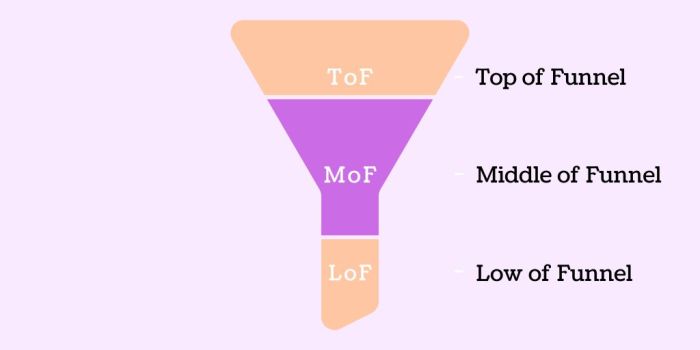
Pinterest, often miscategorized as purely a visual search engine or a social media platform, harbors an undisputed superpower that significantly impacts the mid-funnel stages of the customer journey. This power lies in its unique ability to seamlessly bridge the gap between initial inspiration and concrete purchase decisions. Unlike platforms that excel at either broad awareness or direct, transactional sales, Pinterest occupies a critical sweet spot where users are actively researching, comparing, and solidifying their intentions to buy. This article will delve deep into the mechanics of Pinterest’s mid-funnel dominance, exploring the psychological drivers, platform features, and strategic advantages that make it an unparalleled tool for marketers seeking to convert interested prospects into paying customers.
The core of Pinterest’s mid-funnel strength originates from its user intent. Users don’t typically log onto Pinterest to passively scroll through endless feeds of fleeting trends. Instead, they arrive with a purpose: to find solutions, gather ideas, plan projects, and ultimately, to discover products that will fulfill their needs and desires. This inherent intent is a marketer’s goldmine. When a user searches for "summer dress outfit ideas," they are not just casually browsing; they are likely envisioning themselves in those outfits, considering occasions, and implicitly, looking for where to purchase them. This is the fertile ground of the mid-funnel, where curiosity evolves into consideration. Pinterest’s visual nature amplifies this, allowing users to instantly visualize products in context, making them more tangible and desirable. A lifestyle image of a product, displayed within a curated collection of complementary items, speaks volumes more than a plain product shot on a white background. It paints a picture of the user’s potential future, and Pinterest excels at facilitating that visualization.
Furthermore, the very architecture of Pinterest promotes a sustained exploration phase. Users can save Pins to Boards, creating personal repositories of inspiration and potential purchases. These Boards act as curated wishlists and planning documents, meticulously organized by theme, occasion, or project. This act of saving is a strong indicator of interest and intent. When a user saves a product Pin to a "Dream Kitchen" Board or a "Vacation Wardrobe" Board, they are signaling a deeper level of engagement than a mere click. They are actively curating, categorizing, and committing to the idea of acquiring these items. This sustained interaction within Boards provides marketers with invaluable insights into user preferences and allows for retargeting opportunities that are highly relevant and likely to resonate. The ability to see which Pins are being saved and to which Boards provides a granular understanding of customer aspirations, enabling precise targeting for ads.
The algorithmic nature of Pinterest also plays a crucial role in its mid-funnel efficacy. The platform’s recommendation engine is adept at understanding user behavior, including searches, saved Pins, and clicked-through links, to surface highly relevant content. This means that even if a user isn’t actively searching for a specific product at that moment, Pinterest can proactively introduce them to items they are likely to be interested in based on their past activity. This proactive surfacing of relevant products is a powerful driver of consideration. Imagine a user who has been pinning home decor ideas; Pinterest might then suggest a specific rug that perfectly complements their aesthetic, introducing them to a product they hadn’t even known they were looking for. This subtle yet effective nudging keeps users engaged and moving down the funnel, transforming passive browsers into active evaluators.
Pinterest’s emphasis on inspiration and discovery inherently aligns with the research phase of the customer journey. Users are not bombarded with aggressive sales pitches but are instead presented with aspirational visuals that inspire them to explore possibilities. This organic approach to product discovery fosters trust and reduces the friction often associated with traditional advertising. When a user stumbles upon a beautifully styled product Pin that solves a problem or fulfills a desire they had only vaguely articulated, the likelihood of them exploring further, clicking through to the website, and ultimately making a purchase is significantly higher. This is in contrast to platforms where users are actively seeking immediate gratification or entertainment, making them less receptive to mid-funnel nurturing.
The visual search capabilities of Pinterest are another significant contributor to its mid-funnel superpower. Users can upload an image or use their camera to find visually similar Pins. This is incredibly powerful for users who know what they like but don’t necessarily know the precise terminology to describe it. For instance, someone might see a particular style of chair in a magazine or on the street and use Pinterest Lens to find where to buy it. This direct visual connection bypasses the need for descriptive keyword searches, directly addressing the user’s visual preference and accelerating their path to discovery and purchase. This feature is particularly effective for fashion, home decor, and other visually driven industries, where aesthetics play a pivotal role in decision-making.
For marketers, this translates into a unique opportunity to be present at the exact moment of intent. By optimizing Pins with relevant keywords, high-quality imagery, and clear calls to action, businesses can ensure their products are discovered by users who are actively seeking them. The ability to tag products directly within Pins through Rich Pins and Shopping Pins further blurs the lines between inspiration and transaction, allowing users to seamlessly move from discovery to purchase without leaving the Pinterest ecosystem for critical stages of their research. This frictionless experience is a key differentiator and a significant contributor to Pinterest’s mid-funnel conversion power.
Furthermore, the longevity of Pins is a distinct advantage. Unlike fleeting social media posts that disappear within hours or days, Pins can remain discoverable for months or even years. This means that a well-optimized Pin can continue to drive traffic and conversions long after it has been published. This evergreen nature of content makes Pinterest a powerful asset for sustained mid-funnel engagement. A user might save a Pin for a product today, only to revisit it months later when they are actively ready to make a purchase. This persistent discoverability ensures that businesses can remain top-of-mind for potential customers throughout their extended research and consideration phases.
The power of Boards extends beyond individual users. The collaborative nature of some Boards and the public visibility of many allow for the amplification of product discovery through social proof and shared inspiration. When users see that a product has been pinned by multiple people or is part of popular curated Boards, it lends credibility and encourages further exploration. This organic sharing and curation act as a powerful form of word-of-mouth marketing, particularly potent during the mid-funnel when users are weighing their options and seeking validation.
Strategically, businesses leveraging Pinterest for mid-funnel conversion must understand the platform’s nuances. This involves creating visually appealing content that tells a story and showcases products in aspirational lifestyle contexts. Keywords need to be meticulously researched and integrated into Pin titles, descriptions, and Board titles to maximize discoverability. The use of Rich Pins, particularly Product Pins, is essential for providing detailed product information and direct links to purchase pages. Beyond organic efforts, Pinterest Ads offer powerful targeting options that can capitalize on existing user intent. Remarketing to users who have interacted with Pins, visited product pages, or saved items to Boards provides a highly effective way to nurture leads and drive conversions. The ability to target based on interests, demographics, and even specific keywords used in searches makes Pinterest Ads a potent tool for mid-funnel conversion.
The psychological impact of Pinterest’s environment cannot be overstated. It is a space of optimism, planning, and aspiration. Users are actively seeking to improve their lives, whether through redecorating their homes, planning a wedding, or adopting a new hobby. This positive emotional state makes them more receptive to product recommendations that align with their goals and desires. When a brand can tap into this aspirational mindset and offer solutions that enhance their users’ envisioned futures, the connection and likelihood of conversion become incredibly strong. This emotional resonance is a key differentiator in the often-transactional landscape of online commerce.
In conclusion, Pinterest’s undisputed superpower lies in its unparalleled ability to facilitate and optimize the mid-funnel customer journey. By fostering a user base driven by intent, providing tools for sustained research and curation, leveraging powerful visual search and recommendation algorithms, and creating an environment of positive aspiration, Pinterest offers a unique ecosystem for brands to connect with engaged prospects. Its ability to maintain discoverability over time and its seamless integration of inspiration with transaction make it an indispensable platform for marketers aiming to move users from consideration to conversion. The platform’s inherent design and user behavior patterns position it as a dominant force in the critical, yet often challenging, mid-funnel stage of the modern marketing funnel.

