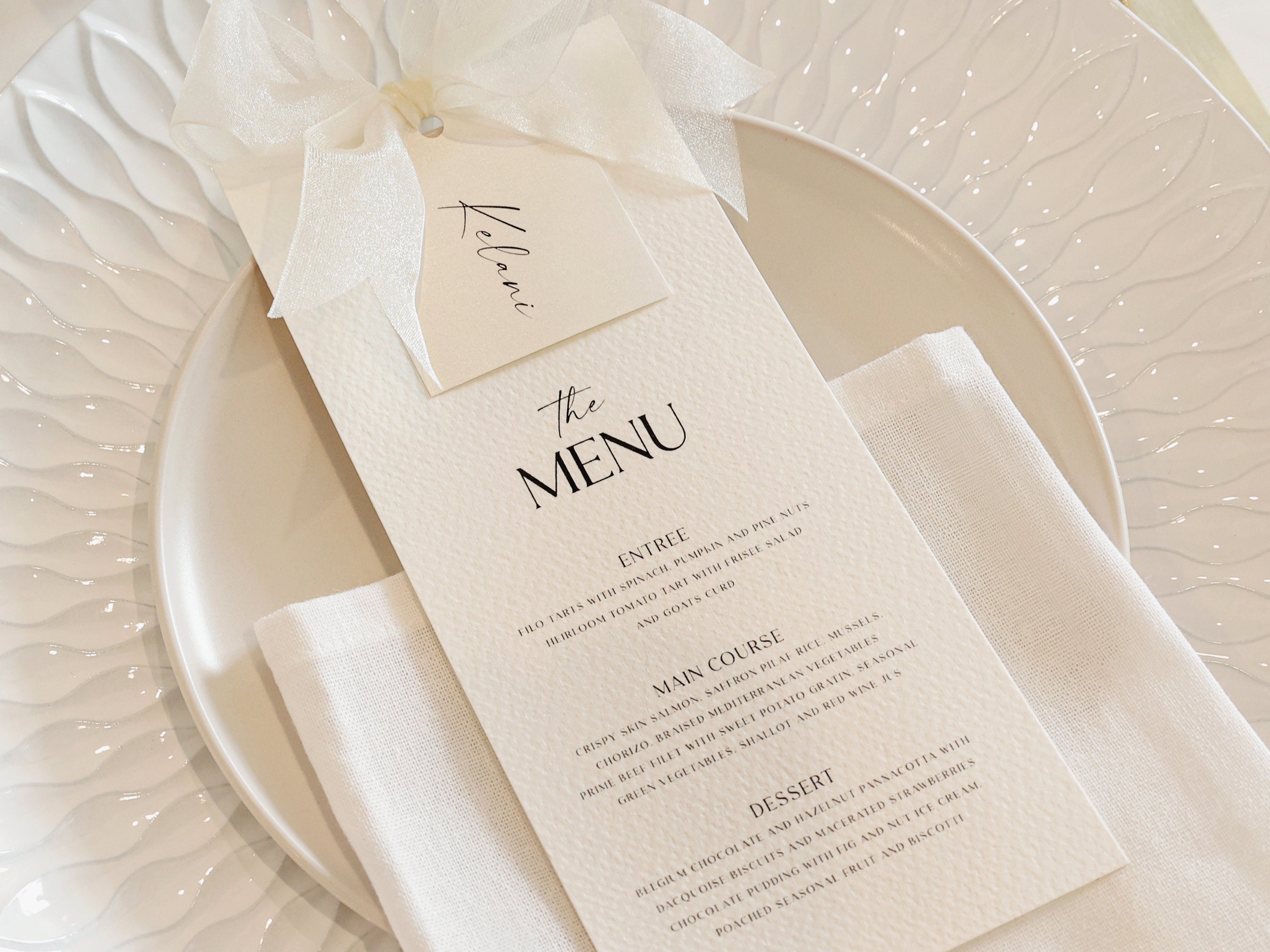
Crafting the Culinary Symphony: Your Ultimate Wedding Menu Guide
The wedding menu is far more than just sustenance for your guests; it’s an integral element of the overall guest experience and a reflection of your personal style as a couple. A meticulously planned menu can elevate your wedding from memorable to unforgettable, transforming a meal into a culinary journey that complements the love and celebration unfolding around it. This comprehensive guide will delve into every facet of wedding menu creation, from initial considerations and popular trends to specific dish ideas and essential logistical planning, ensuring your reception is a gastronomic triumph.
Understanding the Foundation: Budget, Guest Count, and Venue Constraints
Before a single ingredient is considered, a firm understanding of your wedding budget is paramount. The menu often represents a significant portion of your overall wedding expenditure, so clearly defining your culinary budget will inform every subsequent decision. Work with your caterer to understand cost per person based on menu complexity, ingredient choices, and service style. Simultaneously, your guest count directly impacts catering costs and the feasibility of certain service styles. A larger wedding might necessitate a buffet or food stations for efficiency, while a more intimate gathering allows for the intricacies of a plated, multi-course meal.
Equally crucial are the constraints and capabilities of your chosen venue. Does the venue have an in-house catering team, or are you free to bring in an external vendor? What are the kitchen facilities like? Are there limitations on cooking equipment, refrigeration, or serving space? Some venues may have restrictions on external alcohol, which can influence beverage planning. Understanding these limitations from the outset will prevent potential headaches and guide you towards realistic and achievable menu options. For instance, a venue with limited kitchen space might not be conducive to elaborate, on-site cooking stations requiring extensive prep. Similarly, venues with strict fire codes might limit the types of open-flame cooking you can incorporate. Always have a candid conversation with your venue coordinator or event manager about their catering policies and facilities.
Exploring Popular Wedding Menu Styles: From Plated Perfection to Interactive Stations
The "style" of your wedding menu dictates the dining experience your guests will have. Plated meals, a classic and elegant choice, involve serving pre-portioned courses directly to each guest at their table. This offers a sophisticated and controlled dining experience, ideal for formal weddings. Think a beautifully arranged appetizer, followed by a choice of entrée, and culminating in a decadent dessert, all delivered with precision by waitstaff. The advantage of a plated meal is its inherent elegance and efficiency once service begins, allowing for a more structured timeline for speeches and other reception events. However, it requires careful pre-ordering of guest entrée selections to minimize food waste and ensure everyone receives their desired dish.
Buffets offer a more casual and communal dining experience. Guests can select their preferred dishes from a spread of beautifully presented food. This is often a cost-effective option for larger weddings and caters to diverse palates, allowing guests to create their own ideal plate. Modern buffets often feature themed stations, adding an element of interactive fun. For example, a "Build-Your-Own Taco Bar" or a "Gourmet Pasta Station" can be a huge hit. The key to a successful buffet is ensuring adequate staffing to keep the food replenished, maintain cleanliness, and manage guest flow to avoid long queues.
Food stations are a dynamic and engaging alternative to traditional buffets. These are often smaller, themed serving areas that focus on specific types of cuisine or dishes. Examples include a carving station with prime rib or turkey, a sushi station with fresh rolls, a risotto station where chefs prepare it to order, or even a "Mac and Cheese Bar" with various toppings. Food stations encourage mingling and interaction among guests as they move between stations. They can be tailored to your theme and offer a visually appealing element to your reception décor. The key is strategic placement of stations to ensure smooth traffic flow and prevent bottlenecks.
Family-style dining, a revival of a traditional approach, involves large platters of food being placed on each table for guests to serve themselves. This fosters a warm, intimate, and convivial atmosphere, reminiscent of a large family gathering. It’s an excellent choice for creating a sense of shared experience and encouraging conversation. However, it requires ample table space and careful consideration of dietary needs as shared platters can be challenging for guests with severe allergies or restrictions.
The Art of Appetizers: Setting the Culinary Tone
Appetizers are the first impression your wedding menu makes, so it’s vital they are delightful and representative of the culinary journey to come. Consider the time of day, the formality of your wedding, and the overall theme. For a cocktail reception, a wider variety of passed hors d’oeuvres is ideal, allowing guests to mingle freely while enjoying small bites. Opt for a mix of hot and cold options, and be mindful of dietary restrictions by including vegetarian, vegan, and gluten-free selections.
Popular choices include classic elegant bites like miniature crab cakes, caprese skewers, and smoked salmon blinis. For a more modern feel, consider avocado toast bites with chili flakes, truffle arancini, or miniature gourmet sliders. If your wedding has a specific cultural influence, incorporate appetizers that reflect that heritage. For instance, a Mexican-inspired wedding might feature mini quesadillas or elote cups, while an Italian wedding could offer bruschetta or mini meatballs.
The "display" of appetizers is also important, especially if you’re opting for a stationary appetizer spread. Think beautifully arranged cheese and charcuterie boards, vibrant vegetable crudités with artisanal dips, or even a seafood tower. Ensure there are enough serving utensils and that the presentation is visually appealing and aligns with your wedding décor. Don’t forget to consider the ease of eating while standing and mingling; anything too messy or requiring extensive cutlery might be better suited for a seated starter.
Entrées: The Heart of Your Wedding Meal
The entrée selection is arguably the most significant decision in your wedding menu. Offering guests a choice typically leads to greater satisfaction and caters to diverse preferences. The standard is usually two or three entrée options, often including a meat, poultry, and a fish or vegetarian/vegan dish.
For meat lovers, classic choices like beef tenderloin with a red wine reduction, pan-seared steak with chimichurri, or slow-cooked lamb shank are perennial favorites. For poultry, roasted chicken with herbs, duck breast with a cherry glaze, or grilled chicken with a lemon-herb marinade offer sophisticated options. Seafood enthusiasts might enjoy pan-seared salmon with asparagus, shrimp scampi over linguine, or grilled sea bass with a beurre blanc sauce.
Crucially, a well-thought-out vegetarian or vegan entrée is no longer an afterthought but a necessity. Gone are the days of a sad pasta primavera. Consider hearty and flavorful options like mushroom risotto, lentil shepherd’s pie, vegetable wellington, or a stuffed bell pepper with quinoa and black beans. Ensure these dishes are as thoughtfully prepared and presented as their meat counterparts. Many couples are now opting for a single, universally appealing vegan entrée that can also be enjoyed by vegetarians.
Consider the seasonality of ingredients when choosing your entrées. Summer weddings might lend themselves to lighter, grilled options and fresh produce, while fall and winter weddings can embrace richer, heartier dishes with root vegetables and braised meats. Working with your caterer to source high-quality, seasonal ingredients will not only enhance the flavor but also demonstrate a commitment to sustainability and local produce.
The Grand Finale: Wedding Cakes and Desserts
The wedding cake is a traditional centerpiece, but its role has expanded to include a variety of dessert options. While a multi-tiered wedding cake remains a popular choice, consider supplementing it with a dessert bar or a selection of smaller sweet treats.
Wedding cake flavors have evolved beyond vanilla and chocolate. Popular choices include champagne, red velvet, lemon raspberry, salted caramel, and even more adventurous options like matcha green tea or lavender. Filling choices are equally diverse, from fruit compotes and ganaches to cream cheese frostings and mousses. When selecting your cake, consider its visual design and how it complements your wedding theme and décor. Tastings are an essential part of the cake selection process, allowing you to sample different flavors and textures.
Beyond the cake, a dessert bar offers guests a delightful array of smaller treats. This can include mini cheesecakes, fruit tarts, macarons, brownies, cookies, and even a chocolate fountain. A dessert bar caters to diverse sweet cravings and adds a playful element to your reception. Consider themed dessert bars, such as a "Cookie Bar" with various homemade cookies or a "Cupcake Tower" with an assortment of creative flavors.
Another increasingly popular option is a "late-night snack" station. These are often comfort food favorites served later in the evening, as guests are winding down and ready for a hearty bite. Think mini grilled cheese sandwiches, gourmet hot dogs, pizza bites, or even a build-your-own ice cream sundae bar. These can be a fun and appreciated surprise for your guests.
Beverage Pairings and Bar Options: Toasting to Love
The beverage selection plays a crucial role in complementing your menu and creating a cohesive dining experience. Consider your guests’ preferences and the formality of your wedding when deciding on bar options. A full open bar, offering a wide selection of spirits, wine, and beer, is the most generous but also the most expensive.
A limited open bar, perhaps focusing on beer, wine, and a few signature cocktails, can be a more budget-friendly option. Consider offering a selection of red and white wines, along with popular beer choices. Signature cocktails are a fantastic way to inject your personality into the wedding. Create a his-and-hers cocktail or name a drink after a special place or memory.
A cash bar, where guests pay for their own drinks, is generally considered less hospitable for a wedding, especially if you’ve invited a significant number of guests. However, it can be an acceptable option for very casual events or if you’re hosting a destination wedding with a different cultural expectation.
Non-alcoholic beverages are equally important. Offer a variety of sodas, juices, sparkling water, and consider a creative mocktail menu. A coffee and tea station after dinner is also a thoughtful touch. Ensure there is adequate water available throughout the reception, both still and sparkling.
Dietary Needs and Allergies: Ensuring Inclusivity
In today’s diverse world, meticulously addressing dietary needs and allergies is not just good practice; it’s essential for ensuring all your guests feel welcomed and cared for. Start by including a section on your RSVP cards for guests to indicate any dietary restrictions, allergies, or preferences (e.g., vegetarian, vegan, gluten-free, kosher, halal, specific food allergies).
Communicate this information clearly and comprehensively to your caterer well in advance. Work with your caterer to develop specific dishes or modifications that can accommodate these needs. For guests with severe allergies, it’s crucial to have a clear plan for cross-contamination prevention in the kitchen. This might involve separate preparation areas, dedicated utensils, and clear labeling of dishes.
For vegetarian and vegan guests, ensure your options are as appealing and flavorful as the meat-based dishes. Don’t let them feel like an afterthought. For guests with religious dietary laws like kosher or halal, discuss with your caterer the possibility of sourcing certified ingredients or working with a specialized caterer if necessary. Transparency and clear communication with both your guests and your caterer are key to a successful and inclusive dining experience.
Working with Your Caterer: Collaboration is Key
Your caterer is your partner in bringing your wedding menu vision to life. Establish a strong working relationship from the outset, characterized by open communication and mutual respect. Schedule a tasting session early in the planning process. This is your opportunity to sample potential dishes, discuss flavor profiles, and refine your menu. Bring your wedding planner if you have one, as they can offer valuable insights and act as an intermediary.
During tastings, pay attention to not only the taste and presentation of the food but also the quality of the ingredients and the professionalism of the catering staff. Don’t be afraid to ask questions about sourcing, preparation methods, and potential modifications.
Discuss staffing requirements with your caterer. Ensure they have enough servers, bartenders, and kitchen staff to provide seamless service throughout the event. Clarify their responsibilities regarding setup, breakdown, and cleanup. Obtain a detailed contract that outlines all agreed-upon services, menu items, pricing, payment schedule, and cancellation policies. Review this contract thoroughly and seek clarification on any ambiguous clauses.
The Final Touches: Presentation and Ambiance
While the taste of the food is paramount, the presentation and the overall ambiance of the dining experience are equally important. Work with your caterer and your wedding planner to ensure the food is presented beautifully, whether it’s artfully plated dishes, an elegantly styled buffet, or visually appealing food stations.
Consider the lighting and décor of your reception space. The atmosphere should complement the style of your menu. For a formal plated dinner, soft lighting and elegant table settings create a sophisticated ambiance. For a more casual buffet or food station experience, a livelier atmosphere with brighter lighting and interactive elements can enhance the guest experience.
Don’t underestimate the power of music and the flow of the evening. Ensure there are appropriate breaks for speeches and other reception events that don’t disrupt the dining experience. A well-timed musical selection can also enhance the mood and enjoyment of the meal. The entire dining experience should feel cohesive and contribute to the overall celebration of your wedding day.

