
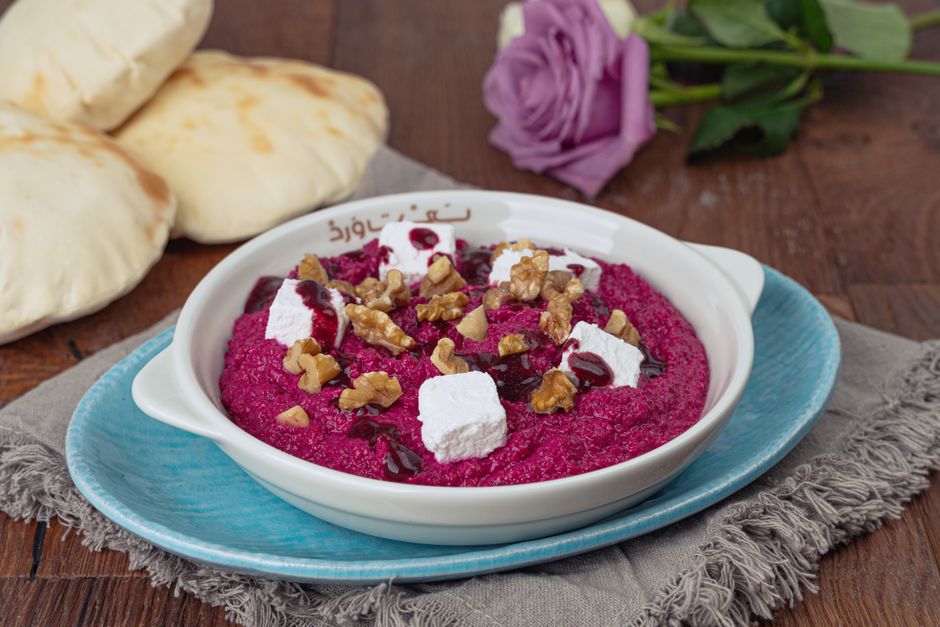
Beet and Goat Cheese Hummus: A Vibrant and Flavorful Elevation of a Classic Dip
Beet and goat cheese hummus represents a sophisticated and visually striking departure from the traditional chickpea-based dip. This recipe ingeniously marries the earthy sweetness of roasted beets with the tangy, creamy texture of goat cheese, creating a complex flavor profile that is both familiar and novel. The vibrant magenta hue, derived from the beets, transforms a simple appetizer into a culinary centerpiece, making it ideal for gatherings, elegant entertaining, or even a nutrient-dense and satisfying snack. Beyond its aesthetic appeal and delectable taste, this beet and goat cheese hummus offers a wealth of nutritional benefits. Beets are packed with vitamins, minerals, and antioxidants, notably betalains, which are responsible for their characteristic color and possess anti-inflammatory properties. Goat cheese, while richer, provides a good source of protein, calcium, and probiotics, contributing to gut health. The combination of chickpeas, tahini, lemon juice, and garlic, the foundational elements of any good hummus, further bolsters its nutritional value with fiber, healthy fats, and essential micronutrients. This article will delve into the nuanced preparation of beet and goat cheese hummus, exploring ingredient selection, optimal roasting techniques for beets, the perfect balance of flavors, and versatile serving suggestions, all while optimizing for search engine visibility with relevant keywords.
Understanding the Core Components: Beets, Goat Cheese, and Hummus Staples
The success of beet and goat cheese hummus hinges on the quality and interplay of its constituent ingredients. At its heart, the dip remains a variation of classic hummus, thus requiring high-quality chickpeas, tahini, lemon juice, garlic, and olive oil. Opt for dried chickpeas for superior flavor and texture, though canned can be used in a pinch if rinsed thoroughly. Soaking dried chickpeas overnight and cooking them until exceptionally tender is crucial for achieving a smooth and creamy hummus consistency. Tahini, the paste made from ground sesame seeds, is another non-negotiable. A good quality, well-stirred tahini will lend a nutty depth and characteristic richness. Freshly squeezed lemon juice is paramount for brightness and acidity, cutting through the earthiness of the beets and the richness of the goat cheese. Raw garlic, while potent, can be mellowed by roasting or by using a garlic press for a finer texture. Extra virgin olive oil not only binds the ingredients but also adds its own fruity notes and healthy monounsaturated fats.
The star players, beets and goat cheese, require careful consideration. For the beets, roasting is the preferred method as it concentrates their natural sugars and intensifies their flavor, transforming their sometimes-muddy earthiness into a delightful sweetness. Steaming or boiling can result in a more watery beet, which can dilute the hummus. When selecting beets, look for firm, unblemished specimens. A mix of red and golden beets can offer a slightly different flavor profile and a more nuanced color, though red beets are typically used for their vibrant pigment. Goat cheese, or chèvre, offers a distinctive tang and creamy texture. Opt for a fresh, soft goat cheese rather than a hard, aged variety. The tanginess of the goat cheese acts as a perfect counterpoint to the sweetness of the beets and the richness of the tahini, preventing the hummus from becoming overly sweet or one-dimensional.
Optimizing Beet Preparation for Maximum Flavor and Color
The preparation of the beets is a critical step in achieving a visually stunning and intensely flavored beet and goat cheese hummus. Roasting is undoubtedly the superior method. Begin by washing the beets thoroughly, trimming off the leafy greens (which can be saved for another culinary use, like sautéing) but leaving a small portion of the stem attached to prevent bleeding. Wrap each beet individually in aluminum foil, creating a sealed packet. This traps the moisture and allows the beets to steam and roast simultaneously, ensuring tenderness and concentrating their sugars. Place the foil-wrapped beets on a baking sheet to catch any potential drips. Roast in a preheated oven at 400°F (200°C) for 45-60 minutes, or until a knife or skewer can be easily inserted into the center of the beet, indicating complete tenderness. The exact roasting time will vary depending on the size of the beets.
Once roasted, allow the beets to cool slightly before handling. The skins should then slip off effortlessly. If they are difficult to remove, the beets may not be fully roasted. For the smoothest hummus, it is advisable to peel the beets while they are still warm, as the skins will be more pliable. After peeling, dice the beets into manageable chunks. At this stage, you will want to reserve a few small, perfectly roasted beet chunks for garnishing the finished hummus, adding both visual appeal and textural contrast. The remaining roasted beets will form the flavorful base of your hummus.
The Art of Blending: Achieving Perfect Hummus Consistency and Flavor Balance
The blending process is where the magic truly happens, transforming individual ingredients into a cohesive and delectable dip. For beet and goat cheese hummus, a food processor is the ideal tool. Begin by adding the peeled and diced roasted beets to the food processor. Pulse them a few times to break them down before adding the remaining ingredients. This helps to ensure a smoother final texture. Next, add the cooked and drained chickpeas, tahini, minced garlic (or roasted garlic for a milder flavor), and a generous squeeze of fresh lemon juice.
The key to exceptional hummus lies in achieving the right balance of flavors and textures. Start by processing the ingredients until they begin to form a coarse paste. Then, slowly drizzle in the extra virgin olive oil while the food processor is running. Continue processing, scraping down the sides of the bowl as needed, until the hummus reaches your desired consistency. For a super smooth and creamy hummus, you may need to add a tablespoon or two of ice-cold water, or even some of the reserved chickpea cooking liquid (aquafaba), one tablespoon at a time, until the desired texture is achieved. Be cautious not to over-process, as this can lead to a gummy texture.
Seasoning is a crucial stage. Taste the hummus and adjust the lemon juice for brightness, salt to enhance the flavors, and potentially a pinch of cumin for warmth and depth, if desired. The amount of goat cheese to add will significantly influence the flavor. Start with a smaller amount, about half of your intended quantity, and blend it in. Taste and add more gradually until the desired tangy creaminess is achieved. Over-adding goat cheese can overpower the beet flavor and the other elements of the hummus. Conversely, too little will result in a less distinctive taste. The goal is a harmonious blend where the beet’s sweetness, the goat cheese’s tang, and the tahini’s nuttiness are all present and balanced.
Serving and Presentation: Elevating Your Beet and Goat Cheese Hummus
The presentation of beet and goat cheese hummus is as important as its taste, especially given its striking color. Once blended to perfection, transfer the hummus to a shallow serving bowl or platter. Use the back of a spoon to create swirls and create a well in the center, perfect for holding a drizzle of olive oil or a dollop of reserved goat cheese. Drizzle generously with high-quality extra virgin olive oil. This not only adds flavor but also a beautiful sheen. Garnish with the reserved diced roasted beet pieces for pops of color and texture. Other excellent garnishes include toasted sesame seeds, chopped fresh parsley or chives, a sprinkle of smoked paprika, or even a few crumbled toasted pistachios for added crunch.
The versatility of beet and goat cheese hummus makes it a crowd-pleaser for any occasion. Serve it as a sophisticated appetizer with an array of dippers. Crusty baguette slices, pita bread (warmed and lightly toasted), artisanal crackers, and an assortment of fresh vegetables like cucumber sticks, carrot sticks, bell pepper strips, and celery are all excellent accompaniments. For a healthier option, consider serving it with blanched green beans or snap peas. Beyond an appetizer, this hummus can be incorporated into various culinary creations. Spread it on sandwiches or wraps for a flavorful and colorful filling. Use it as a base for a vibrant salad dressing, thinning it with a little water and lemon juice. It can also be a delicious topping for roasted vegetables or grilled meats.
Nutritional Powerhouse: The Health Benefits of Beet and Goat Cheese Hummus
Beet and goat cheese hummus is not only a culinary delight but also a nutritional powerhouse, offering a range of health benefits. Beets are rich in essential vitamins and minerals, including folate, potassium, magnesium, and iron. They are particularly renowned for their high concentration of nitrates, which the body converts into nitric oxide. Nitric oxide plays a vital role in improving blood flow, lowering blood pressure, and enhancing athletic performance. The betalains in beets are potent antioxidants and anti-inflammatory compounds, contributing to overall well-being and potentially protecting against chronic diseases.
Chickpeas, the foundation of hummus, are an excellent source of dietary fiber, both soluble and insoluble. Fiber aids in digestion, promotes satiety, and helps regulate blood sugar levels. They also provide a good amount of plant-based protein, making hummus a satisfying and filling option. Tahini, derived from sesame seeds, contributes healthy monounsaturated and polyunsaturated fats, as well as minerals like calcium, iron, and magnesium. Garlic offers allicin, a compound with known antimicrobial and immune-boosting properties.
Goat cheese, while a dairy product, offers a distinct nutritional profile compared to cow’s milk cheese. It is often more easily digestible for some individuals due to its different protein structure. It provides a good source of protein, calcium, and is a natural source of probiotics, beneficial bacteria that support gut health and a healthy immune system. When combined, these ingredients create a dip that is not only delicious but also contributes to a balanced and nutrient-rich diet, making it a smart choice for conscious eaters seeking both flavor and health.
SEO Considerations: Keywords for Beet and Goat Cheese Hummus
To ensure this article is discoverable by individuals searching for this specific dish, strategic keyword integration is essential. Primary keywords include: "beet hummus," "goat cheese hummus," "beet and goat cheese dip," and "roasted beet hummus." Secondary keywords and long-tail phrases that users might employ include: "healthy beet recipe," "tangy hummus recipe," "easy beet appetizer," "vegan beet hummus" (if a vegan version is considered or mentioned as a variation), "gourmet hummus," "vibrant hummus recipe," "beet dip with goat cheese," "best beet hummus recipe," and "how to make beet hummus." Variations in search terms like "magenta hummus," "pink hummus," or "red beet dip" can also be integrated naturally within the text. Using these keywords in headings, subheadings, and throughout the body of the article, while maintaining readability and natural language flow, will significantly improve its search engine ranking and reach. Terms like "chickpea dip," "middle eastern appetizer," and "Mediterranean dip" also provide context and broaden the search potential. The inclusion of preparation details like "roasting beets for hummus" and "creamy hummus recipe" further refines the searchability for users looking for specific instructions. This comprehensive approach ensures that individuals actively seeking beet and goat cheese hummus, or variations thereof, will find this informative and detailed article.

