Crafting the Ultimate Guest Room Mini-Bar: An Elevated Experience
A well-appointed guest room mini-bar transcends mere convenience; it’s an invitation to relaxation and a thoughtful gesture that significantly enhances a visitor’s stay. Moving beyond the standard offering of pre-packaged snacks and a few generic beverages, a DIY mini-bar allows for a personalized touch, catering to diverse tastes and demonstrating exceptional hospitality. This comprehensive guide will walk you through the essential elements, strategic considerations, and creative touches to build a guest room mini-bar that impresses and delights.
The Foundation: Stocking the Essentials
The cornerstone of any mini-bar is its beverage selection. Offer a range of options to accommodate different preferences. For alcoholic choices, consider a compact selection of spirits such as vodka, gin, whiskey, and rum. This provides a base for classic cocktails. Alongside these, include a few premium mixers like tonic water, soda water, cranberry juice, and orange juice. Don’t overlook non-alcoholic options: sparkling water, still water, sodas (cola, lemon-lime, diet alternatives), and perhaps a high-quality iced tea or lemonade.
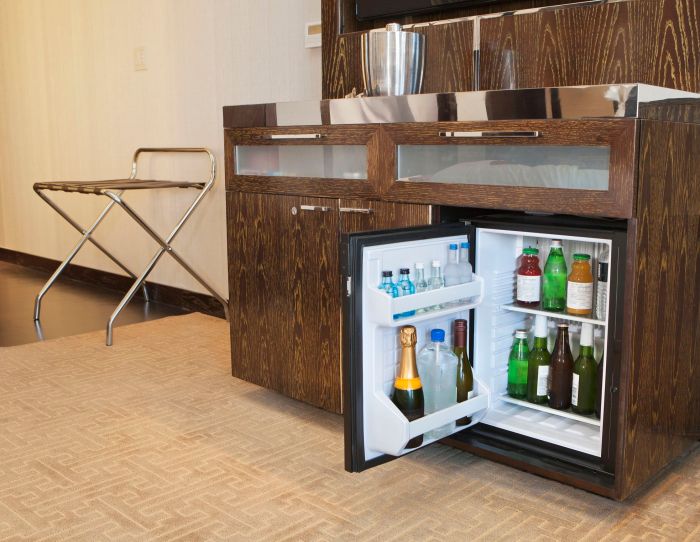
For those who enjoy wine, a couple of approachable bottles – a crisp white (like Sauvignon Blanc or Pinot Grigio) and a smooth red (like Pinot Noir or Merlot) – are ideal. For beer enthusiasts, a small assortment of popular domestic and craft beers can be a welcome addition. Presentation matters here; think about mini bottles or single-serving cans for ease of access and portion control. Chilled storage is paramount. A small, quiet mini-fridge is a worthwhile investment. Ensure it’s stocked with ice, or provide a stylish ice bucket and tongs.
Beyond beverages, the snack component of your DIY mini-bar should be equally considered. Aim for a balance of sweet and savory. For savory options, consider gourmet nuts (almonds, cashews, pistachios), pretzels, or high-quality potato chips. For sweet treats, think about individually wrapped cookies, chocolates, or perhaps some artisanal caramels. The key is to avoid overtly messy or strongly scented items that could detract from the room’s ambiance. Individually packaged items are also more hygienic and easier for guests to manage.
The Accoutrements: Elevating the Experience
The true magic of a DIY mini-bar lies in the thoughtful inclusion of accoutrements that empower guests to enjoy their selections. This is where you move from merely providing items to enabling a complete experience. Essential bar tools include a cocktail shaker, a jigger for precise pouring, a muddler for extracting flavors from fruits and herbs, and a strainer. A small, sharp knife and a cutting board are necessary for preparing garnishes.
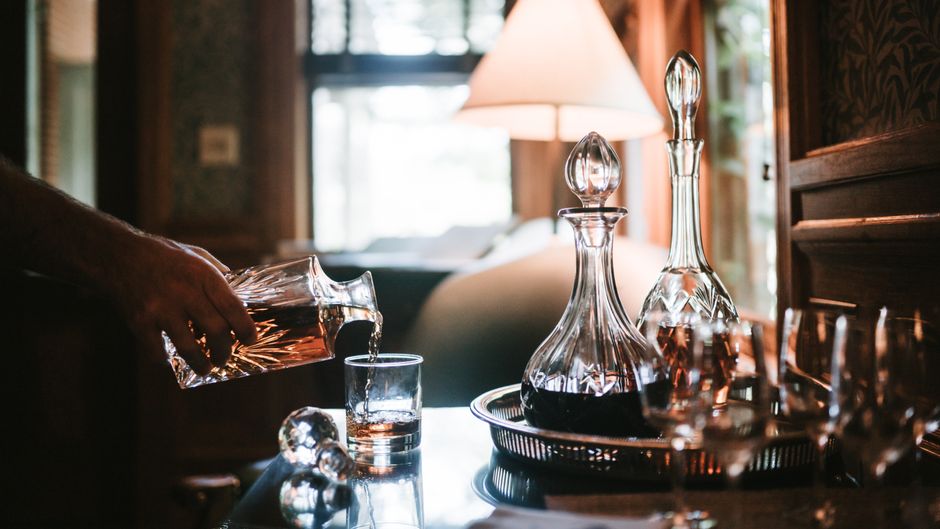
Consider offering a small selection of glassware. A couple of wine glasses, rocks glasses, and perhaps some tumblers can cater to various drink types. If space is limited, versatile glasses that can serve multiple purposes are a good compromise. Garnishes are a sophisticated touch that elevates any drink. Stock small bowls with fresh lemons, limes, and oranges. A few sprigs of mint can also be a refreshing addition. Consider dried cranberries or maraschino cherries for a classic cocktail flair.
For the coffee and tea enthusiast, a dedicated station can be a significant draw. This should include a quality coffee maker (a Nespresso machine with a few pod options, or a French press with freshly ground coffee), an electric kettle, and a curated selection of premium tea bags (black, green, herbal). Include sugar, sweetener, and small containers of milk or cream. High-quality biscuits or shortbread cookies are perfect accompaniments to coffee and tea.
Strategic Placement and Presentation
The location and presentation of your guest room mini-bar are as important as its contents. Choose a dedicated space that is easily accessible but doesn’t dominate the room. A well-placed credenza, a stylish console table, or even a dedicated shelf unit can work beautifully. If space is exceptionally tight, consider a wall-mounted bar cart or a compact rolling bar.
Organize the items in a visually appealing and logical manner. Use attractive trays, baskets, and containers to group similar items. For example, place all spirits on one tray, mixers on another, and snacks in a decorative bowl. This not only makes the mini-bar look more inviting but also helps guests find what they need easily. Ensure that frequently used items are at the front and most accessible.
Consider the lighting in the mini-bar area. Task lighting above the bar can be practical and create a sophisticated ambiance. LED strip lights can add a subtle glow in the evening. Ensure that the refrigerator is well-lit internally.
Personalization and Thematic Elements
To truly elevate your DIY mini-bar, inject elements of personalization and consider thematic approaches. If you know your guests’ preferences, tailor the selection accordingly. For a wine lover, include a specific region or varietal they enjoy. For a craft beer aficionado, seek out local or unique brews.
A thematic mini-bar can be a fun and memorable addition. Consider a "Cocktail Hour" theme with recipe cards for simple cocktails and all the necessary ingredients. A "Relaxation Retreat" theme could feature calming herbal teas, infused waters, and soothing snacks. A "Local Flavors" theme can showcase regional wines, beers, spirits, and artisanal snacks.
Include small, thoughtful touches that demonstrate your attention to detail. A small notepad and pen for guests to jot down their orders or requests can be helpful. A small, elegant waste bin nearby for wrappers and empties is a practical consideration.
Consider offering a small selection of "indulgent" items that guests might not typically purchase for themselves. This could be a mini bottle of champagne, a gourmet chocolate bar, or a small, locally sourced artisanal cheese. These "splurge" items can make guests feel particularly special.
Sustainability and Practicality
When curating your DIY mini-bar, consider sustainability and practicality. Opt for reusable glassware whenever possible. If you choose bottled water, select brands with a commitment to environmental responsibility or offer large-format bottles to reduce packaging waste. For snacks, prioritize items with minimal packaging.
Think about the lifespan of your stocked items. Rotate your inventory to ensure freshness, especially for perishables like fruit garnishes or dairy. Clearly label items with their expiration dates, even if it’s just a discreet note on the underside of the packaging.
Maintenance is key to a successful mini-bar. Regularly check the refrigerator for cleanliness and proper temperature. Replenish items as they are consumed. Wipe down surfaces to maintain a polished appearance. A well-maintained mini-bar reflects positively on your hospitality.
Dietary Considerations and Inclusivity
In today’s diverse world, it’s crucial to consider dietary restrictions and preferences. Offer gluten-free snack options, such as rice crackers or fruit leather. For those with nut allergies, ensure there are clearly labeled nut-free alternatives. Include dairy-free milk or creamer options for coffee and tea.
Consider offering a selection of low-sugar or sugar-free beverages and snacks. This caters to health-conscious guests or those managing conditions like diabetes. Clearly label all items that cater to specific dietary needs. This demonstrates thoughtfulness and inclusivity, ensuring all your guests feel catered to.
The "Do Not Disturb" or "Refresh Me" Card
A clever addition to your mini-bar setup is a small card or note that guests can use to indicate if they need their mini-bar restocked or replenished. This could be a "Refresh Me" side of the card, or a "Do Not Disturb" side to respect their privacy. This proactive approach shows you are attentive to their needs and can prevent them from having to directly ask for service.
Recipe Cards and Mixology Guidance
For guests who are less familiar with cocktails or want to try something new, including simple recipe cards can be a fantastic addition. Choose a few classic and easy-to-make cocktails that can be prepared with the ingredients you provide. For example, a Gin & Tonic recipe card with your chosen gin, tonic, and lime. A simple rum and coke recipe card. This empowers guests to experiment and enjoy the creative aspect of mixology.
The Value Proposition: Beyond Cost
While stocking a DIY mini-bar incurs costs, the value proposition extends far beyond the expense of the items themselves. It’s about creating an experience that fosters guest satisfaction, encourages repeat bookings (if you’re a host for short-term rentals), and generates positive word-of-mouth referrals. A well-executed mini-bar can transform a good stay into a memorable one. It demonstrates a commitment to guest comfort and a genuine desire to provide an exceptional level of hospitality. This level of attention to detail is often what differentiates truly outstanding hosts from the average.
Conclusion: The Lasting Impression
A thoughtfully curated and expertly presented guest room mini-bar is a powerful tool in the arsenal of a gracious host. By moving beyond the expected and embracing creativity, personalization, and meticulous attention to detail, you can craft an experience that not only satisfies immediate needs but also leaves a lasting positive impression on your guests. The effort invested in a DIY mini-bar is an investment in hospitality that consistently yields significant returns in guest appreciation and satisfaction.

