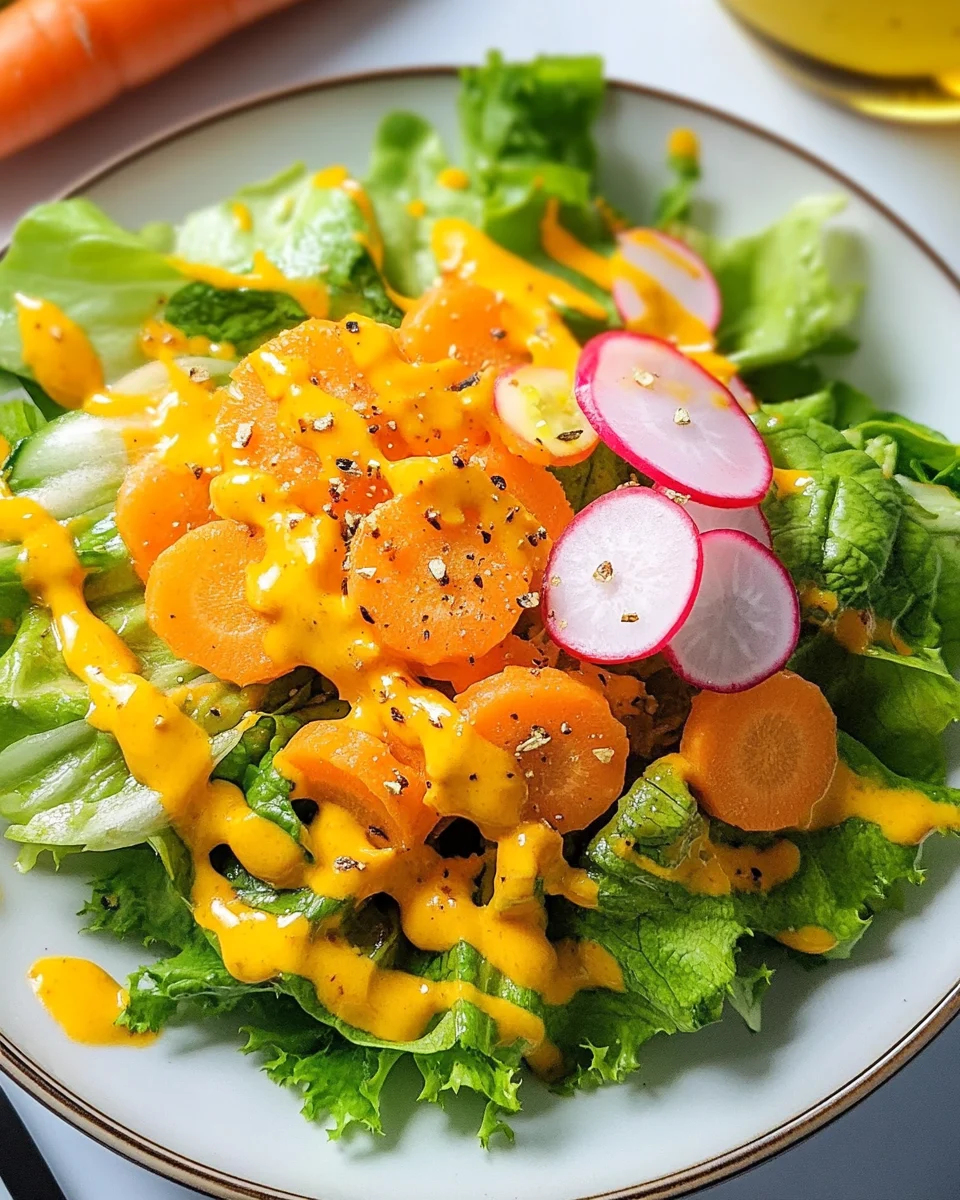

The Ultimate SEO-Friendly Guide to Carrot Ginger Salad Dressing: Flavor, Health, and Versatility
Carrot ginger salad dressing is a vibrant, flavorful, and incredibly healthy condiment that has surged in popularity due to its unique taste profile and numerous health benefits. This dressing, characterized by the natural sweetness of carrots and the zesty warmth of ginger, offers a refreshing alternative to traditional vinaigrettes and creamy dressings. Its versatility extends far beyond salad applications, making it a valuable addition to any home cook’s repertoire. This comprehensive guide delves into the nuances of carrot ginger salad dressing, exploring its ingredients, health advantages, preparation techniques, and a wide array of culinary uses, all optimized for search engines to ensure discoverability by those seeking this delicious and nutritious option.
The foundational components of carrot ginger salad dressing are, as the name suggests, carrots and ginger. Carrots, a root vegetable rich in beta-carotene, provide a naturally sweet base. Beta-carotene is a potent antioxidant that the body converts into vitamin A, essential for vision, immune function, and skin health. The sweetness of carrots is not only appealing but also allows for a reduction in added sugars, contributing to a healthier dressing. Ginger, a pungent rhizome, adds a distinctive spicy kick and a warming sensation. Ginger is renowned for its anti-inflammatory and digestive properties, often used to alleviate nausea and indigestion. Its unique flavor profile complements the sweetness of carrots, creating a balanced and complex taste. Beyond these core ingredients, a typical carrot ginger salad dressing recipe will include an acidic element, such as rice vinegar, apple cider vinegar, or lemon juice, to balance the sweetness and create a tangy contrast. Healthy fats are also crucial, usually in the form of a neutral-flavored oil like vegetable oil, canola oil, or grapeseed oil, which helps emulsify the dressing and carries fat-soluble vitamins. Some recipes may also incorporate sweeteners like honey or maple syrup to further enhance the sweetness, though this is often adjusted based on personal preference and the natural sweetness of the carrots. Garlic, sesame oil, and soy sauce or tamari are common additions that contribute additional layers of savory and umami notes, elevating the dressing’s complexity.
The health benefits associated with carrot ginger salad dressing are substantial, making it an excellent choice for health-conscious individuals. The high beta-carotene content in carrots is a primary driver of its nutritional value. As mentioned, beta-carotene is converted to vitamin A, a vital nutrient for maintaining healthy eyesight, particularly in low-light conditions, and plays a critical role in supporting the immune system’s ability to fight off infections. It also contributes to healthy skin by promoting cell turnover and protecting against sun damage. Ginger’s medicinal properties are equally impressive. Its active compound, gingerol, is a powerful anti-inflammatory agent that can help reduce inflammation throughout the body, which is linked to numerous chronic diseases, including heart disease, arthritis, and certain cancers. Ginger is also well-documented for its digestive benefits. It stimulates the production of digestive juices and enzymes, promoting smoother digestion and relieving symptoms like bloating, gas, and indigestion. Its anti-nausea properties are particularly beneficial for individuals experiencing motion sickness, morning sickness during pregnancy, or post-operative nausea. The inclusion of healthy fats from oils provides essential fatty acids that are important for brain health, hormone production, and the absorption of fat-soluble vitamins (A, D, E, and K) present in the carrots and other ingredients. Furthermore, by making your own carrot ginger salad dressing, you gain control over the ingredients, allowing you to minimize or eliminate processed sugars, artificial preservatives, and unhealthy fats often found in commercially produced dressings. This empowers you to create a dressing that aligns perfectly with your dietary goals, whether they involve weight management, reduced sugar intake, or a focus on whole, unprocessed foods.
Preparing carrot ginger salad dressing is a straightforward process that can be achieved with minimal culinary expertise. The most common method involves blending or processing the ingredients until a smooth and emulsified consistency is reached. Begin by preparing the carrots and ginger. Carrots should be peeled and roughly chopped. For ginger, it’s often best to peel it as well, though the skin is edible if thoroughly washed. The amount of ginger used can be adjusted to your spice preference; start with a smaller amount and add more as needed. Combine the chopped carrots, peeled ginger, and your chosen liquid base (such as vinegar and water or a combination of vinegar and oil) in a blender or food processor. If using a blender, you might need to add a bit more liquid to facilitate the blending process. If using a food processor, pulse the ingredients until finely chopped before processing continuously to achieve smoothness. Add your chosen oil gradually while the processor is running to help emulsify the dressing and create a creamy texture. Seasonings like garlic, soy sauce, sesame oil, and a touch of sweetener are typically added at this stage and blended in thoroughly. Once the dressing reaches your desired consistency, taste and adjust the seasonings. You might want to add more vinegar for tanginess, more sweetener for sweetness, or more ginger for spice. For a smoother dressing, you can strain the mixture through a fine-mesh sieve, pressing down on the solids to extract as much liquid as possible. However, many prefer the slightly thicker texture that results from not straining. Storing the dressing is also simple. Transfer the finished dressing to an airtight container or jar and refrigerate. It typically keeps well for about 5-7 days. As with many homemade dressings, separation can occur. Simply shake or whisk vigorously before each use to re-emulsify.
The culinary applications of carrot ginger salad dressing extend far beyond a simple green salad, showcasing its remarkable versatility. While it excels as a dressing for mixed greens, spinach, or romaine lettuce, its vibrant flavor profile makes it an excellent complement to more robust salads. Consider using it on Asian-inspired slaw with shredded cabbage, bell peppers, and edamame. It also pairs beautifully with grain-based salads, such as quinoa or farro salads, adding a refreshing zest that cuts through the earthiness of the grains. Roasted vegetables, like broccoli, Brussels sprouts, or sweet potatoes, benefit immensely from a drizzle of this dressing. The sweetness of the carrots harmonizes with the caramelized notes of roasted vegetables, while the ginger provides a stimulating contrast. For a protein boost, toss grilled chicken, shrimp, or tofu with this dressing. Its bright flavor marinates and tenderizes meats and seafood, infusing them with a delicious Asian-inspired taste. It can also be used as a dipping sauce for spring rolls, dumplings, or even as a glaze for baked salmon or chicken wings. Another innovative use is as a binder for wraps or sandwiches, adding moisture and a burst of flavor without relying on heavier mayonnaise-based spreads. Experiment with incorporating it into marinades for stir-fries, infusing your vegetables and proteins with its distinctive sweet and spicy notes. The dressing can also be thinned out with a little more liquid and used as a light sauce for steamed fish or chicken. Its adaptability allows it to bridge the gap between a salad dressing, a sauce, a marinade, and a condiment, making it a true culinary workhorse.
When discussing the broader context of healthy eating and dietary trends, carrot ginger salad dressing aligns perfectly with several popular movements. Its emphasis on whole, unprocessed ingredients makes it a staple for those following paleo, Whole30 (depending on sweeteners used), or general healthy eating plans. The plant-based nature of the primary ingredients appeals to vegetarians and vegans, and it can easily be adapted for those with specific dietary restrictions by choosing appropriate oils and sweeteners. The focus on natural sweetness from carrots addresses concerns about refined sugar intake, a growing priority for health-conscious consumers. Furthermore, the rise of gut health awareness amplifies the appeal of ginger’s digestive benefits. As consumers become more discerning about the ingredients they consume, homemade dressings like carrot ginger salad dressing offer a transparent and customizable alternative to mass-produced options laden with artificial additives and excessive sodium. The growing interest in ethnic cuisines also plays a role, as the flavor profile of this dressing draws inspiration from Asian culinary traditions, a highly sought-after flavor profile in contemporary cooking. The visual appeal of its vibrant orange hue also contributes to its popularity, as colorful foods are often perceived as being healthier and more appetizing, a trend often amplified on social media platforms dedicated to food and wellness.
For those looking to customize their carrot ginger salad dressing for specific nutritional goals or flavor profiles, several substitutions and additions can be made. For a richer flavor and increased healthy fats, consider using avocado oil or extra virgin olive oil, though be mindful that extra virgin olive oil can impart a stronger flavor. To boost the protein content and create a creamier texture, a tablespoon or two of tahini can be incorporated. For a spicier kick, increase the amount of fresh ginger or add a pinch of red pepper flakes. If you prefer a milder dressing, reduce the ginger or use a sweeter variety of carrots. For those seeking a lower-carbohydrate option, explore using a sugar substitute like stevia or erythritol instead of honey or maple syrup, though this may alter the flavor slightly. Nutritional yeast can be added for a subtle cheesy, umami flavor, and a sprinkle of toasted sesame seeds can provide a delightful textural contrast. For a brighter citrus note, consider adding a splash of lime juice alongside or in place of some of the vinegar. If you are looking for a soy-free alternative to soy sauce, coconut aminos are an excellent option that provides a similar savory depth. The beauty of homemade dressings lies in their adaptability, allowing you to tailor them precisely to your palate and dietary needs, ensuring you get the most flavor and nutritional benefit from every bite.
In conclusion, carrot ginger salad dressing is a remarkable culinary creation that offers a compelling blend of flavor, health, and versatility. Its core ingredients, carrots and ginger, provide a naturally sweet and spicy foundation, complemented by healthy fats and acidic elements. The numerous health benefits, from supporting vision and immunity with beta-carotene to aiding digestion and reducing inflammation with ginger, make it a standout choice for a healthy diet. Its preparation is simple, allowing for homemade accessibility, and its applications are remarkably broad, extending to salads, roasted vegetables, marinades, and dipping sauces. As dietary trends continue to emphasize whole foods and personalized nutrition, carrot ginger salad dressing stands out as a delicious and adaptable option, empowering individuals to enhance their meals with vibrant flavor and significant health advantages.

