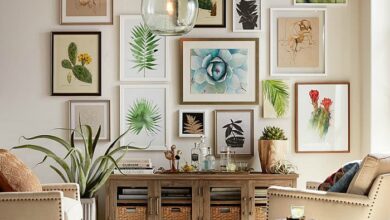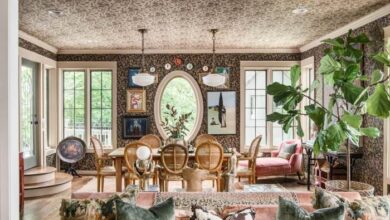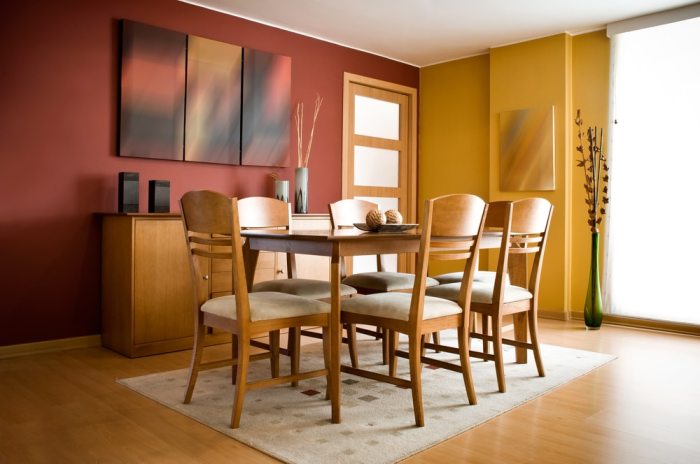
Colored mat gallery wall idea: Imagine a blank wall transformed into a vibrant and dynamic art display. This isn’t just about hanging pictures; it’s about using colored mats to create a visual symphony that complements your artwork and enhances your space.
Colored mats add a touch of personality, depth, and a sense of intentional design that elevates the entire experience.
Whether you’re a seasoned art enthusiast or just starting to explore the world of gallery walls, colored mats offer a fantastic opportunity to personalize your space and showcase your artistic taste. By strategically choosing colors, materials, and arrangement styles, you can create a gallery wall that reflects your unique style and tells a story through your artwork.
Introduction to Colored Mat Gallery Walls
A colored mat gallery wall is a unique and stylish way to display your artwork, photographs, or other treasured items. It involves using colored mats, which are frames without glass, to enhance the visual appeal of your artwork and create a cohesive and eye-catching display.Using colored mats offers several benefits beyond simply framing your artwork.
They add depth and dimension to your gallery wall, creating a more dynamic and visually interesting display.
Aesthetic Appeal of Colored Mats in a Gallery Wall
Colored mats can significantly enhance the aesthetic appeal of a gallery wall by:
- Adding a Pop of Color:Colored mats can introduce a splash of color to your gallery wall, complementing the artwork or creating a vibrant focal point. For instance, using a bold teal mat with a black and white photograph can create a striking contrast and draw attention to the image.
I’ve been brainstorming ways to add a pop of color to my gallery wall, and I think colored mats might be the perfect solution! I love how they can really make each piece stand out, and they’re so easy to swap out if I want to change things up.
Speaking of change, I just heard some exciting news from Laura – exciting news from laura – and I think it’s going to inspire me to create a whole new gallery wall! Maybe I’ll even try using a mix of colored mats and different sized frames to add some extra dimension.
- Creating Visual Harmony:By choosing mat colors that complement the artwork and the overall color scheme of the room, you can create a cohesive and harmonious look. Using earthy tones for a rustic theme or pastel hues for a softer aesthetic can unify the gallery wall and enhance the overall design.
- Highlighting Specific Details:Colored mats can highlight specific details in your artwork, such as the subject’s eyes or a particular pattern in the background. By using a contrasting color, you can draw the viewer’s attention to these focal points, making the artwork more engaging.
Choosing the Right Colors
Selecting the right mat colors for your artwork is crucial for creating a cohesive and visually appealing gallery wall. The mat acts as a frame within a frame, subtly enhancing the artwork while complementing your decor. It’s a subtle yet powerful tool to elevate your gallery wall’s aesthetic.
Color Palettes for Matting
Choosing a color palette for your matting is an important first step. Here are some popular and versatile options:
- Neutral Palettes:These are classic and timeless, providing a clean backdrop for any artwork. Popular choices include white, black, gray, and cream. They offer a minimalist aesthetic, allowing the artwork to take center stage.
- Warm Palettes:These palettes create a welcoming and inviting atmosphere. Consider using earthy tones like browns, tans, and reds. They complement artwork with warm hues, such as landscapes or still lifes.
- Cool Palettes:These palettes evoke a sense of calm and tranquility. Consider using blues, greens, and purples. They complement artwork with cool hues, such as seascapes or abstract pieces.
- Complementary Palettes:These palettes use colors opposite each other on the color wheel, creating a striking contrast. For example, you could pair a blue mat with an orange artwork or a green mat with a red artwork. This approach can create a dynamic and visually interesting gallery wall.
Impact of Color on Mood and Atmosphere
Color psychology plays a significant role in the overall feel of your gallery wall. Different colors evoke distinct emotions and create different atmospheres:
- White:Represents purity, cleanliness, and simplicity. It creates a sense of spaciousness and enhances the brightness of the room.
- Black:Represents sophistication, elegance, and power. It creates a sense of depth and can make the artwork appear more dramatic.
- Gray:Represents neutrality, balance, and calmness. It can create a sense of sophistication and tranquility.
- Brown:Represents stability, reliability, and warmth. It creates a sense of grounding and comfort.
- Red:Represents passion, energy, and excitement. It can create a sense of warmth and vibrancy.
- Blue:Represents calmness, peace, and trust. It can create a sense of tranquility and serenity.
- Green:Represents growth, nature, and harmony. It can create a sense of peace and rejuvenation.
- Yellow:Represents optimism, happiness, and creativity. It can create a sense of cheerfulness and energy.
- Purple:Represents royalty, luxury, and spirituality. It can create a sense of mystery and sophistication.
Choosing Colors That Complement Artwork and Room Decor
When selecting mat colors, consider the following factors:
- Artwork Subject Matter:Choose mat colors that complement the artwork’s subject matter, color palette, and style. For example, a landscape painting with warm hues might look best with a brown or tan mat, while a seascape with cool blues might look best with a blue or green mat.
I love the idea of a colored mat gallery wall – it adds a pop of personality and helps to create a cohesive look. For my next project, I’m thinking of incorporating some of my favorite song lyrics into the art, similar to what I saw in this nesting simple song lyrics painting tutorial.
I can imagine the bright colors of the mats really complementing the minimalist typography of the lyrics. It’ll be a fun way to personalize my space and share a little bit of my musical taste!
- Room Decor:The mat color should also complement the overall room decor. Consider the wall color, furniture, and other decorative elements. Choose a mat color that creates a cohesive and harmonious look.
- Personal Preference:Ultimately, the most important factor is your personal preference. Choose mat colors that you find aesthetically pleasing and that reflect your style.
Matting Techniques and Materials
Matting is a crucial aspect of framing artwork, playing a vital role in enhancing its visual appeal and protecting it from damage. Selecting the right matting materials and employing proper techniques can elevate the presentation of your art pieces, making them stand out and enhancing their overall aesthetic.
Matting Materials
The choice of matting materials directly impacts the final appearance and longevity of your artwork. Understanding the characteristics of different matting materials allows you to select the best option for your needs.
- Museum Board: This archival-quality material is considered the gold standard for matting. Made from 100% alpha cellulose, it is acid-free, lignin-free, and buffered, ensuring it will not harm your artwork over time. Museum board is available in a wide range of colors and thicknesses, offering flexibility in creating custom matting designs.
- Rag Board: Another high-quality option, rag board is made from cotton or linen fibers. It is known for its durability and resistance to fading, making it a suitable choice for valuable artworks. Rag board is typically more expensive than museum board but offers exceptional archival qualities.
- Conservation Mat Board: Similar to museum board, conservation mat board is acid-free and lignin-free, providing a safe environment for your artwork. It may contain a slight percentage of wood pulp, but it is still considered archival quality. This option is often more affordable than museum board, making it a practical choice for everyday framing.
- Foamcore: A less expensive alternative to museum board, foamcore is made from a layer of foam sandwiched between two sheets of paper. It is lightweight and offers good rigidity, but it is not archival quality. Foamcore is suitable for framing prints or photographs that are not particularly valuable.
A colored mat gallery wall is a fantastic way to add personality and dimension to your space. The vibrant hues of the mats can really make your artwork pop, and you can even coordinate the colors with your furniture or decor.
For a touch of inspiration, check out this article about oranges and herbs in Turkish cuisine – the vibrant colors and bold flavors of the dishes are reminiscent of the energy a colored mat gallery wall can bring to a room.
Matting Techniques
Proper matting techniques are essential for creating a professional-looking gallery wall. They ensure the artwork is presented correctly and protected from damage.
- Cutting and Beveling: Precise cutting and beveling of the matting are crucial. The bevel, or angled edge, helps to create a shadow line around the artwork, drawing attention to its edges and enhancing its visual appeal.
- Window Matting: This technique involves creating an opening, or window, in the mat board that frames the artwork. The window size and placement should be carefully considered to create a balanced and visually pleasing composition.
- Double Matting: Using two layers of matting, often in contrasting colors, can add depth and visual interest to the presentation. This technique is particularly effective for highlighting the details of the artwork.
- Layering: Layering multiple mats with different colors and textures can create a more dynamic and complex look. This technique can be used to create a sense of depth and dimension, enhancing the overall visual impact of the artwork.
Creating a Professional-Looking Gallery Wall
To achieve a professional-looking gallery wall, pay attention to the following tips:
- Consistency: Maintaining consistency in matting materials, colors, and techniques throughout the gallery wall creates a cohesive and unified look.
- Balance: Consider the overall balance of the gallery wall, ensuring the artwork is evenly distributed and there are no large empty spaces.
- Visual Flow: Guide the viewer’s eye through the gallery wall by creating a visual flow. This can be achieved by using similar colors, textures, or framing styles.
- Spacing: Appropriate spacing between artwork is essential. Too much space can make the gallery wall feel disjointed, while too little space can create a cluttered appearance.
- Lighting: Adequate lighting is crucial for showcasing artwork. Consider using natural light or installing dedicated gallery lighting to highlight the details of the artwork.
Arranging Artwork on the Wall
Now that you have chosen your artwork and mats, it’s time to arrange them on the wall. This is where the fun really begins! You can create a cohesive and visually appealing gallery wall that reflects your personal style and enhances your space.
The arrangement of your artwork will determine the overall impact of your gallery wall. There are many different styles you can choose from, and you can even combine elements from different styles to create a unique look.
Gallery Wall Arrangement Styles
There are numerous ways to arrange your artwork on a gallery wall. Here are a few popular styles:
- Grid: This is a classic and easy-to-achieve style that involves arranging your artwork in a symmetrical grid pattern. This style is perfect for creating a clean and modern look.
- Asymmetrical: This style is more free-flowing and allows for more creativity. You can arrange your artwork in a random pattern, but it’s important to ensure that the pieces complement each other.
- Staircase: This style involves arranging your artwork in a diagonal line, creating a sense of movement and visual interest.
- Cluster: This style involves grouping your artwork together in a tight cluster, creating a focal point on the wall.
Using Colored Mats to Create Visual Interest
Colored mats can be used to create visual interest and highlight specific pieces in your gallery wall. Here are a few ways to use colored mats:
- Create a Color Palette: Choose a few complementary colors for your mats and use them throughout your gallery wall. This will help to create a cohesive look and tie all of the pieces together.
- Highlight Specific Artwork: Use a contrasting color mat to draw attention to a particular piece of artwork. This is a great way to showcase a special piece or to add a pop of color to your gallery wall.
- Create a Sense of Depth: Use different colored mats to create a sense of depth in your gallery wall. For example, you could use a darker mat for a piece of artwork that is further back on the wall and a lighter mat for a piece that is closer to the front.
Achieving Balance and Harmony
To achieve balance and harmony in your gallery wall, consider the following tips:
- Consider the Size and Shape of Your Artwork: A mix of sizes and shapes can add visual interest. However, be sure to balance the sizes and shapes so that the gallery wall doesn’t feel too cluttered or unbalanced.
- Think About the Colors and Themes of Your Artwork: Select artwork that complements each other in terms of color and theme. You can create a cohesive look by using a consistent color palette or by choosing artwork that shares a common theme.
- Use a Layout Guide: If you’re unsure where to start, you can use a layout guide to help you visualize the arrangement of your artwork. There are many free online tools and apps available that can help you create a gallery wall layout.
- Don’t Be Afraid to Experiment: The best way to create a gallery wall that you love is to experiment and try different arrangements until you find one that works for you. Don’t be afraid to move pieces around and see what looks best.
Creating a Cohesive Look: Colored Mat Gallery Wall Idea
A cohesive gallery wall is a symphony of colors, textures, and styles, all working together to create a visually pleasing and unified space. The key to achieving this harmony lies in establishing a consistent theme that acts as the guiding principle for your artistic choices.
The colored mats play a crucial role in unifying the gallery wall, acting as the invisible threads that connect the individual pieces. They create a visual flow, drawing the eye from one artwork to the next, fostering a sense of continuity and visual unity.
Using Colored Mats to Unify a Gallery Wall
Colored mats can be used to unify a gallery wall in several ways.
- Using a Single Color: A simple and elegant approach is to choose one color for all the mats, creating a monochromatic backdrop for your artwork. This creates a sense of calm and sophistication. For example, using a deep navy blue mat for a gallery wall featuring black and white photographs creates a classic and timeless look.
- Using a Color Palette: For a more dynamic look, you can choose a palette of two or three colors for your mats. This approach allows for more variation and visual interest while still maintaining a sense of cohesion. For example, using a palette of blush pink, sage green, and terracotta orange for a gallery wall featuring nature-inspired prints creates a warm and inviting atmosphere.
- Matching Mat Colors to Artwork: A more intricate approach is to match the mat colors to the dominant colors in the artwork. This creates a visual harmony between the frame and the piece, highlighting the artwork’s beauty. For example, using a mustard yellow mat for a landscape painting with warm tones and a deep green mat for a still life with cool tones creates a visually pleasing and balanced gallery wall.
Selecting Artwork That Complements the Color Scheme
Once you have chosen your color palette for the mats, the next step is to select artwork that complements the color scheme.
- Matching Color Families: A simple approach is to choose artwork that features colors within the same color family as the mats. For example, if you are using a palette of warm browns and yellows, you can select artwork that features earth tones or autumnal colors.
- Creating Contrast: For a more dynamic look, you can create contrast by selecting artwork that features colors that complement the mat colors. For example, if you are using a palette of cool blues and greens, you can select artwork that features warm oranges and reds.
- Choosing Neutral Artwork: If you are unsure about color combinations, you can always choose neutral artwork, such as black and white photographs or abstract prints. Neutral artwork can work well with any color palette, creating a timeless and elegant look.
Gallery Wall Inspiration
Now that you’ve mastered the basics of creating a colored mat gallery wall, let’s explore some inspirational ideas to spark your creativity. We’ll delve into color combinations, arrangement styles, and artwork types that can benefit from the addition of colored mats.
Color Combinations for Matting
Choosing the right color combinations for your matting is crucial for creating a cohesive and visually appealing gallery wall. Here’s a table showcasing some popular and effective color combinations:
| Artwork Style | Mat Color | Wall Color |
|---|---|---|
| Black and White Photography | White, Off-White, Cream | Gray, Light Blue, Taupe |
| Watercolor Paintings | Light Blue, Lavender, Peach | White, Light Gray, Soft Green |
| Abstract Art | Bold Colors (Red, Yellow, Green) | Neutral Colors (Black, White, Gray) |
| Nature Photography | Earthy Tones (Brown, Green, Beige) | White, Light Gray, Cream |
| Modern Art | Black, Gray, Metallic | White, Black, Dark Gray |
Arrangement Styles for Gallery Walls, Colored mat gallery wall idea
Arranging your artwork on the wall is an art form in itself. Experiment with different styles to find what works best for your space and taste.
“The key is to create a balanced and visually interesting composition.”
Here’s a table showcasing different arrangement styles:
| Arrangement Style | Description |
|---|---|
| Grid | A classic and symmetrical arrangement where artwork is placed in a grid pattern. |
| Asymmetrical | A more dynamic and free-flowing arrangement where artwork is placed in an uneven pattern. |
| Staircase | Artwork is arranged in a staircase pattern, creating a sense of movement and visual interest. |
| Cluster | A group of artwork is clustered together in a tight arrangement, creating a focal point. |
| Floating | Artwork is hung at varying heights, creating a sense of depth and dimension. |
Artwork Styles that Benefit from Colored Mats
Colored mats can enhance the visual impact of various artwork styles. Here are some examples:
“Colored mats can help to draw attention to the artwork, create a sense of depth, and enhance the overall aesthetic.”
- Black and White Photography: Colored mats can add a pop of color and contrast to black and white photographs, highlighting specific elements or creating a more dramatic effect. For example, a black and white photograph of a cityscape could be enhanced with a bold red mat, drawing attention to the urban landscape.
- Watercolor Paintings: Colored mats can complement the soft hues and delicate details of watercolor paintings. For example, a watercolor painting of a floral bouquet could be framed with a light blue or lavender mat, enhancing the floral tones and creating a more ethereal effect.
- Abstract Art: Colored mats can help to unify the colors and shapes in abstract art, creating a more cohesive and visually appealing composition. For example, an abstract painting with vibrant hues of red, yellow, and blue could be framed with a black mat, grounding the colors and creating a more sophisticated look.
- Nature Photography: Colored mats can enhance the natural beauty of nature photography, complementing the colors and textures of the landscape. For example, a nature photograph of a forest scene could be framed with a green or brown mat, creating a sense of depth and immersion.
- Modern Art: Colored mats can add a touch of sophistication and contemporary flair to modern art. For example, a minimalist abstract painting could be framed with a black or gray mat, enhancing the simplicity and elegance of the artwork.
Conclusion
This exploration of colored mats in gallery walls has revealed a world of possibilities for elevating your artwork and creating a truly unique and personal space. By thoughtfully selecting colors, matting techniques, and arrangement, you can transform a simple collection of prints or paintings into a captivating focal point.
The impact of colored mats on gallery wall aesthetics is undeniable. They provide a visual bridge between your artwork and the wall, enhancing the color palette, creating depth, and drawing attention to the subject matter. Whether you choose to create a harmonious blend of colors or embrace bold contrasts, the use of colored mats will undoubtedly elevate your gallery wall to new heights.
Experimenting with Matting Techniques and Styles
The beauty of colored mats lies in their versatility. Don’t be afraid to experiment with different techniques and styles to discover what works best for your artwork and your personal aesthetic.
- Try using different mat widths:A wider mat can create a more dramatic effect, while a narrow mat will highlight the artwork itself.
- Play with textures:Consider using textured mats to add visual interest and tactile appeal.
- Explore double matting:This technique involves using two mats of different colors and widths, creating a layered effect.
- Embrace asymmetry:Don’t be afraid to break the mold with asymmetrical matting, which can add a touch of whimsy and visual intrigue.