EA Games Hits Steam: A New Era of Accessibility and Competition
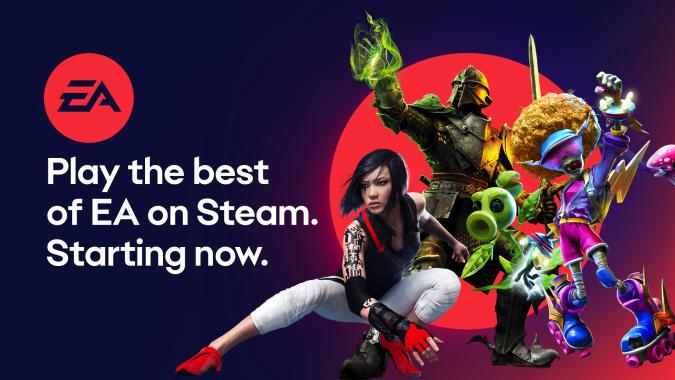
Electronic Arts, a titan in the video game industry, has dramatically shifted its strategy by bringing a significant portion of its acclaimed titles to Valve’s Steam platform. This move, long anticipated by PC gamers and industry analysts, signals a new era of accessibility for EA’s extensive catalog and injects fresh competition into the dominant digital storefront. For years, EA largely relegated its PC releases to its own Origin (now EA app) platform, a decision that fragmented the PC gaming market and often led to player frustration. The return to Steam represents a significant capitulation to player demand and a strategic realignment that benefits both EA and the broader PC gaming community. This comprehensive analysis will delve into the implications of EA’s Steam launch, exploring the reasons behind the shift, the games now available, the impact on players, developers, and the competitive landscape, and what this signifies for the future of PC game distribution.
The Genesis of EA’s Steam Return: A Strategic Pivot
Several converging factors likely contributed to EA’s decision to embrace Steam. Firstly, the sheer market dominance of Steam cannot be ignored. With its vast user base, established infrastructure, and ingrained player habits, Steam remains the undisputed king of PC game distribution. By rejoining the platform, EA gains immediate access to millions of potential customers who may not have previously engaged with EA’s titles due to the platform exclusivity. This expansion of reach is paramount for maximizing sales and brand visibility. Secondly, the growing success of subscription services, particularly EA Play, has likely played a crucial role. EA Play, which offers access to a library of EA titles for a monthly fee, is now integrated with Xbox Game Pass Ultimate and, significantly, available directly on Steam. This integration allows EA to leverage Steam’s audience to drive subscriptions, creating a recurring revenue stream that complements direct game sales.
Furthermore, the competitive landscape has evolved. While EA’s own launcher served its purpose, the rise of alternative storefronts and the increasing fragmentation of the PC market may have prompted EA to reconsider its isolationist approach. A unified presence on Steam, alongside competitors, can foster a more dynamic and engaging marketplace. The feedback from the player base has also been a undeniable influence. Persistent calls for EA titles on Steam, often expressed through social media and online forums, highlight a desire for convenience and a streamlined gaming experience. By responding to this demand, EA demonstrates a willingness to adapt and prioritize player satisfaction, potentially rebuilding goodwill among a segment of its audience. Finally, the economic realities of the modern gaming industry necessitate reaching the widest possible audience. Steam’s established sales events and marketing opportunities provide a powerful platform for showcasing EA’s diverse portfolio and driving engagement during key periods.
A Curated Selection: What’s Now Available on Steam?
The initial wave of EA games hitting Steam includes a compelling mix of critically acclaimed franchises and beloved classics. Leading the charge are flagship titles such as Star Wars Jedi: Fallen Order, Star Wars Battlefront II, and the critically lauded Apex Legends. The inclusion of Apex Legends, a free-to-play battle royale, is particularly significant, allowing it to tap into Steam’s massive player base without any upfront purchase barrier. This strategic decision is likely aimed at bolstering player numbers and further solidifying its position in the competitive battle royale genre.
Beyond these high-profile releases, EA has also brought back a substantial portion of its sports simulation empire. Titles like FIFA 21 (and its successors, with EA Sports FC 24 being a prominent recent example), Madden NFL 21, and NHL 21 are now readily available to Steam users. This is a monumental shift for fans of these sports franchises, many of whom have long relied on other platforms or the EA app to access their preferred sports titles. The availability of these perennial sellers on Steam is expected to significantly boost their sales figures.
Furthermore, EA is offering a selection of its strategy and simulation games, including titles from The Sims franchise and the Command & Conquer Remastered Collection, appealing to a different but equally dedicated segment of the PC gaming audience. The inclusion of older, but still popular, titles also suggests a long-term commitment to catalog management and accessibility, offering a nostalgic journey for long-time fans and an introduction for new players. This broad spectrum of genres and franchises indicates a deliberate strategy to cater to a wide range of player preferences, maximizing the impact of their Steam return.
Implications for Players: Convenience, Competition, and Choice
The most immediate and profound impact of EA’s Steam launch is on the players. The consolidation of games onto a single, familiar platform dramatically enhances convenience. Players no longer need to install and manage multiple game launchers, a common frustration for those who own titles from various publishers. This streamlined experience simplifies game acquisition, library management, and community interaction, as players can now find and play EA titles alongside their existing Steam libraries and connect with friends through Steam’s robust social features.
The return to Steam also fosters greater competition within the PC storefront ecosystem. While Valve’s platform has been dominant, the presence of major publishers like EA can encourage other publishers to re-evaluate their own storefront strategies. This increased competition can lead to more favorable deals for consumers, including more frequent and deeper discounts during Steam sales. Players now have more leverage and choice than ever before, as publishers vie for their attention and their wallets.
Moreover, the integration of EA Play with Steam is a significant boon for value-conscious gamers. The subscription service provides access to a vast library of EA titles, including new releases after a certain period, offering an economical way to experience a wide range of games. For those who prefer to purchase games outright, the increased competition can also lead to more competitive pricing. The choice between purchasing individual titles or subscribing to EA Play, both within the Steam ecosystem, empowers players to tailor their gaming experience to their budget and preferences.
Impact on Developers and the Industry Landscape
The implications of EA’s Steam return extend beyond the player base, significantly impacting developers and the broader industry landscape. For EA itself, this move represents a strategic diversification of its distribution channels. While its own launcher still exists and will likely continue to host its exclusive titles or early access programs, the Steam presence diversifies revenue streams and reduces reliance on a single platform. This can mitigate risks associated with platform policy changes or unforeseen technical issues with their proprietary launcher.
For other PC game developers, particularly those not part of major publishers, the re-entry of a giant like EA onto Steam can be viewed through a dual lens. On one hand, it further solidifies Steam’s position as the de facto PC gaming hub, potentially increasing the overall player base on the platform and creating a larger pool of potential customers for everyone. This can lead to greater visibility and sales opportunities for all games on Steam.
On the other hand, the increased competition could also pose challenges. With a vast catalog of popular games, EA’s titles will undoubtedly capture significant attention, particularly during major sales events. Smaller, independent developers might find it harder to cut through the noise and gain visibility amidst the increased competition. However, Steam’s discovery tools and curated content sections can still provide avenues for independent games to thrive, and the overall increase in PC gaming activity on the platform could ultimately benefit all developers.
Furthermore, this move by EA could set a precedent for other major publishers who have historically maintained their own launchers. The success of EA’s Steam re-entry could embolden others to follow suit, leading to a more unified and less fragmented PC gaming market. This could foster greater collaboration between publishers and Valve, potentially leading to innovative features and services that benefit the entire ecosystem. The industry is constantly evolving, and EA’s decision to return to Steam is a clear indication of its adaptation to these changes, prioritizing market reach and player accessibility.
The Future of EA on Steam: Expansion and Integration
The initial launch of EA titles on Steam is unlikely to be the end of the story. It is reasonable to expect a continued expansion of EA’s catalog on the platform. As new games are released, and as older titles gain renewed interest, their availability on Steam will likely increase. This ongoing integration suggests a long-term commitment from EA to the platform and a desire to leverage Steam’s reach for all their PC offerings.
The success of EA Play on Steam will also be a critical factor in shaping future strategies. If the subscription service continues to gain traction, EA may explore deeper integrations and exclusive content offers for Steam subscribers. This could involve special bundles, early access to certain features, or even unique in-game items tied to Steam subscriptions.
Furthermore, EA’s presence on Steam could influence its future development strategies. With a direct pipeline to a massive PC audience, EA might be more inclined to tailor certain game features or content specifically for PC players on Steam. This could include enhanced graphical options, broader controller support, and deeper integration with Steam’s social and community features. The potential for cross-play between Steam versions of EA games and their counterparts on other platforms could also become a more prominent consideration, further enhancing the interconnectedness of the PC gaming experience.
The return of EA Games to Steam marks a significant turning point in the PC gaming distribution landscape. It signifies a triumph for player choice and convenience, injects healthy competition into the market, and opens up new avenues for EA to connect with its audience. As EA continues to expand its presence on Steam, the platform is poised to become an even more central hub for PC gaming, benefiting players, developers, and the industry as a whole. This strategic realignment by a major publisher underscores the dynamic nature of the gaming industry and the enduring power of player demand in shaping its future.

