
Effortless Messy Updos for Short Hair: Your Ultimate Guide to Chic Simplicity
The myth that short hair limits styling options is a persistent one, but one that can be easily debunked by the versatile and chic messy updo. Far from requiring Rapunzel-length tresses, shorter hairstyles, from bobs to lobs, are perfectly suited for achieving that sought-after lived-in, undone look. This guide delves deep into the art of the easy messy updo for shorter hair, providing practical techniques, styling tips, and the essential tools to help you master this effortlessly cool hairstyle. We’ll explore how to create volume, texture, and hold, ensuring your messy updo stays put and looks intentional, not just haphazard. Whether you’re heading to the office, a casual brunch, or a more formal evening event, a well-executed messy updo can elevate your look without demanding hours in front of the mirror. Forget the notion that updos are exclusively for long hair; this guide is dedicated to unlocking the potential of your shorter locks.
The foundation of any successful messy updo, regardless of hair length, is texture. Without a bit of grip and variation in your strands, your updo will likely appear flat and overly polished, defeating the ‘messy’ aesthetic. For shorter hair, this is even more crucial as there’s less length to manipulate and create natural texture from. A key player in building this essential texture is dry shampoo. Even on freshly washed hair, a spritz of dry shampoo at the roots and mid-lengths can instantly add grit and lift. It absorbs excess oil, which can weigh down finer hair, and provides a matte finish that’s perfect for gripping strands. For those with finer hair, texturizing spray is another invaluable tool. Applied sparingly, it can give your hair that ‘second-day’ feel, making it easier to tease and sculpt. Mousse, applied to damp hair before drying, can also build body and hold. Experiment with different products to find what works best for your hair type and thickness. Some individuals with very fine hair might benefit from a root-lifting spray in addition to dry shampoo for maximum volume. For those with thicker or coarser hair, a lightweight texturizing paste or wax can be used to define pieces and prevent them from looking too uniform. The goal isn’t to make your hair stiff, but rather to give it enough pliable texture to hold its shape and allow for strategic loosening. Don’t be afraid to get your hands in there and tousle your hair; this is where the ‘messy’ element truly comes to life.
Understanding the mechanics of pinning is paramount for short hair updos. Unlike longer hair where you can create substantial twists and buns, shorter hair often relies on strategic placement of bobby pins and clips. The trick is to use your pins like building blocks, anchoring sections of hair and securing them in place. For most messy updos on shorter hair, you’ll be working with smaller sections. Begin by loosely gathering a section of hair, perhaps from the crown or the sides. Instead of a tight twist, aim for a more relaxed coil or knot. Then, using bobby pins, secure this section against your head. For an invisible finish, try to insert the pins against the direction of the hair’s natural fall, or use pins that match your hair color. Crisscrossing pins can provide extra hold. Don’t be afraid to use more pins than you think you need initially; you can always pull out excess pins once the shape is established and you’re happy with the overall look. Another effective pinning technique involves creating small ‘pockets’ of hair. Gather a small section, twist it loosely, and then tuck the ends underneath, securing them with a pin. This creates a visual interest without requiring a lot of length. For bobs and lobs, the sides are particularly important. You might need to secure pieces from the front to the back, or even incorporate braiding for added security and visual appeal. Think of pinning as sculpting, not just fastening. Experiment with different pin placements to see how it affects the overall shape and fullness of your updo. Sometimes, a few strategically placed pins can make all the difference between a style that falls apart and one that lasts all day.
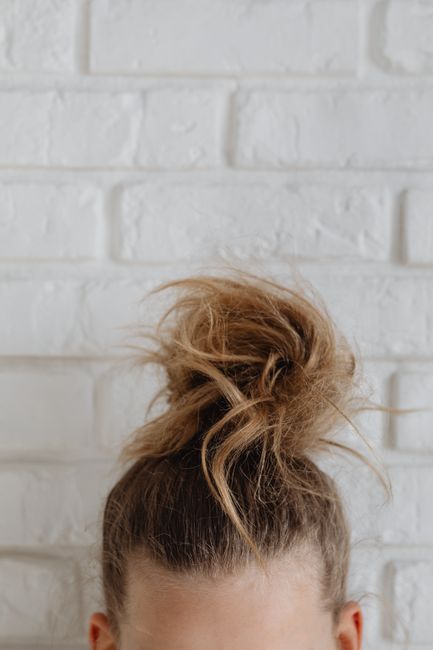
The messy bun, a perennial favorite, is surprisingly adaptable for shorter hair. The key here is to forgo the traditional, tightly wound bun and embrace a more free-form approach. Start by creating a loose ponytail at the nape of your neck or slightly higher, depending on your desired look. The ponytail doesn’t need to be perfectly smooth; in fact, a little frizz can add to the appeal. Now, instead of twisting the ponytail into a neat bun, loosely coil it around the base of the ponytail. The ends of your hair will likely stick out – this is precisely what you want. Secure the coiled hair with bobby pins, tucking them in wherever they feel most secure. Don’t worry about making it look perfectly round. The imperfections are what give it its charm. You can then gently pull on the coiled sections and the ends that are sticking out to create more volume and a more undone appearance. For bobs, a low, loose bun at the nape of the neck is often the most flattering. You might need to pin smaller sections from the sides to meet the bun to avoid stray strands falling. For a slightly more elevated messy bun, consider teasing the ponytail before coiling it. This adds significant volume, making the bun appear fuller even with shorter hair. Don’t be afraid to experiment with different textures before creating the bun. If your hair is naturally straight, a quick curl with a curling iron can add texture and make the bun more interesting.
The low, relaxed chignon is another elegant updo that can be beautifully executed on shorter hair. This style often involves creating a knot or loop at the nape of the neck. Start by gathering your hair into a low ponytail. Then, depending on the length, you can either loop the ponytail through itself once to create a simple knot, or divide the ponytail into two sections and twist them around each other before securing them. The crucial element for a messy chignon is to pull out strands and loosen the structure after securing it. Once you’ve pinned the basic shape, gently tug on the edges and the center to create a softer, more relaxed silhouette. You might find that you need to pin individual pieces of hair around the base of the chignon to ensure everything stays in place. For very short hair, the chignon might appear more like a textured twist or a looped knot secured with multiple pins. The emphasis should be on creating a soft, slightly undone shape rather than a perfectly smooth, sculpted one. Consider creating a deep side part and sweeping the hair across your forehead before gathering it into the low ponytail; this can add a sophisticated asymmetry to the updo. Again, texture is your friend. If your hair is sleek, a spritz of texturizing spray or a light application of pomade can help create the desired lived-in look.
Braids can be a fantastic way to add texture, interest, and hold to short hair updos, even if you can’t create a full braid. Fishtail braids, French braids, and Dutch braids can all be incorporated. For shorter hair, think of braids as accents rather than the sole structure of the updo. You can create a small braid on one side of your head and then incorporate it into a messy bun or a twisted updo. A simple French braid along the hairline, pulled back and pinned, can add a delicate detail. Or, try braiding the front sections of your hair and then twisting them back to meet in the center, securing with pins. For very short hair, a Dutch braid along the hairline, pulled to the side and pinned, can act as a chic headband. The beauty of using braids in messy updos is that they inherently create texture and can help to secure finer, shorter pieces of hair. Don’t aim for perfectly uniform braids; a slightly messy braid that’s been gently tugged apart will blend seamlessly with the overall undone aesthetic. For those who find braiding challenging, consider a faux braid. This involves twisting sections of hair and then pulling them apart to mimic the look of a braid. This is a particularly effective technique for creating texture and fullness with shorter hair.
Voluminous roots are a game-changer for short hair updos. Without the weight of long hair, shorter styles can sometimes fall flat. To combat this, focus on building volume at the roots. When blow-drying, use a round brush and direct the airflow upwards at the roots. Alternatively, use your fingers to lift sections of hair and blast them with heat. Dry shampoo is also a miracle worker for root lift. Apply it generously to the roots of dry hair and then gently massage it in with your fingertips. For an extra boost, you can tease the roots gently with a fine-tooth comb before styling. This creates a cushion of volume that will support your updo. Texturizing spray applied to the roots can also add grit and lift. Remember, the goal is to create a solid foundation for your updo, preventing it from collapsing or looking limp. Even a subtle lift at the roots can make a significant difference in the overall appearance of your messy updo, making it look fuller and more intentional. Consider using a volumizing mousse or spray on damp hair before you start styling for an all-over fullness that will carry through to your updo.
The beauty of the messy updo lies in its imperfection. Embrace the flyaways! Instead of trying to tame every single stray strand, use them to your advantage. A few wisps framing your face can add a soft, romantic touch. If you have very short layers that are stubbornly falling out, don’t fight them. Instead, gently twist them around your finger to create a subtle curl and pin them into the updo. This makes them look like intentional styling rather than an oversight. For a more polished yet still messy look, you can intentionally create a few face-framing pieces and then lightly curl them away from your face. This adds a sophisticated element without making the updo look too severe. The key is to know which flyaways to embrace and which ones need to be subtly secured. Often, the flyaways that add to the ‘messy’ charm are those around the hairline or the nape of the neck. You can use a tiny bit of pomade on your fingertips to smooth down any truly unruly sections that you don’t want to be part of the aesthetic.
When it comes to tools, a few essentials will make creating messy updos for short hair a breeze. Firstly, a good quality set of bobby pins in a variety of shades to match your hair color is non-negotiable. You’ll also want some U-shaped pins for more secure anchoring. A teasing comb or a fine-tooth comb is crucial for building volume at the roots. A texturizing spray, dry shampoo, and perhaps a lightweight hairspray are your styling allies. For adding waves or texture, a curling wand or iron can be beneficial, especially for those with very straight hair. A small mirror is also helpful for checking the back of your head. Don’t underestimate the power of your fingers – they are often the best tools for tousling and shaping your hair. Invest in good quality pins; they will hold your hair much better than cheap, flimsy ones. Consider a styling wax or paste for defining smaller sections and adding a bit of hold without stiffness. A flexible hold hairspray is also a good choice, as it allows you to continue manipulating the hair after spraying.
For those with pixie cuts or very short bobs, the concept of an ‘updo’ might seem daunting, but it’s still achievable with a little creativity. The focus shifts to strategically pinning and sculpting the existing length. Instead of a full bun, think of it as a series of textured twists and pinned sections. You can create small twists on the sides and pin them back towards the crown. Pulling out tiny pieces and creating a subtle disheveled look around the top of your head can also create an ‘updo’ effect. For even shorter hair, consider using small clips to secure the front sections back, creating a faux swept-back look. The aim is to create an illusion of an updo by manipulating the available length and using pins and texture to create shape and interest. Don’t be afraid to experiment with different pinning techniques to see what works best for your specific cut. Sometimes, a few well-placed bobby pins can achieve a surprisingly effective styled look, even on extremely short hair.
The final touch of any good messy updo is the hairspray. Opt for a flexible hold hairspray rather than a strong-hold one. This allows you to make minor adjustments after spraying and prevents your hair from looking stiff or crunchy. Mist the hairspray from a distance to ensure an even application. You can also spray some into your hands and then gently scrunch it through your hair for added texture and hold. For a dewy, lived-in look, some prefer a sea salt spray, which can add texture and a slightly tousled finish. Experiment with different finishing sprays to see which one best complements your chosen updo style and hair type. Remember, the hairspray is there to hold your creation, not to make it look like a helmet. A light, airy application is usually best.
Mastering the easy messy updo for shorter hair is about embracing imperfection and utilizing the right techniques and tools. With practice, you’ll discover your favorite styles and develop a knack for quickly transforming your shorter locks into chic, effortlessly styled updos. The versatility of these styles means you can adapt them for any occasion, proving that great hair doesn’t always require length. The key takeaway is to work with your hair’s natural texture, build volume where needed, and use bobby pins strategically to create a look that is both intentional and beautifully undone.

