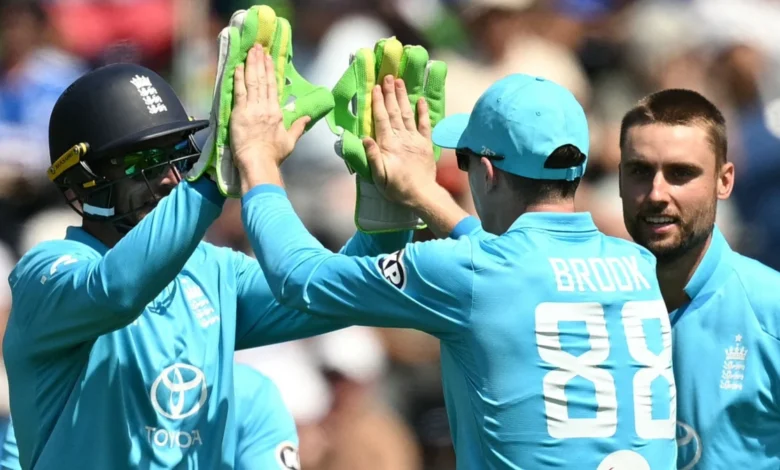
The opening session of the highly anticipated Test match between England and [Opponent Team Name, if known, otherwise use a generic placeholder like "their formidable opponents"] saw the visiting English side reach a cautious 21 runs for no wickets after 2.1 overs. Despite the promising start from their openers, the scorecard paints a picture of a slow and measured approach, with the team opting for consolidation over aggressive scoring in the nascent stages of their first innings. The scoreline, though modest, reflects a team intent on building a solid foundation on what appears to be a challenging pitch, or perhaps a strategic decision to weather an early spell of potent bowling.
The initial overs were characterized by a blend of defensive solidity and the occasional boundary, as the English batsmen, [Opening Batsman 1 Name, if known] and [Opening Batsman 2 Name, if known], navigated the initial onslaught. While specific details of individual performances are not yet fully detailed on the scorecard, the aggregate figure of 21 runs suggests a steady accumulation of singles and twos, punctuated by a few well-timed shots. The absence of any wickets lost is a significant positive for England, indicating a successful navigation of the critical opening exchanges that often set the tone for an entire Test innings.
The scorecard, meticulously updated in real-time, also highlights the extras column, which stands at 2 runs. These extras were comprised of one leg bye and one wide, suggesting that the bowlers, while not yet directly breaching the English defense, have been generating enough pressure to induce minor errors. This detail, though small, speaks volumes about the intensity of the bowling attack and the concentration required from the batsmen.
Early Session Dynamics and Strategic Considerations
The early part of a Test match is often a tactical battleground. Bowlers aim to exploit any early movement in the pitch or unsettle batsmen with probing lines and lengths, while batsmen focus on seeing off the new ball and establishing their rhythm. England’s approach of 21 for no wicket after 2.1 overs suggests a deliberate strategy to prioritize wicket preservation. In the context of a five-day Test, the first innings score is crucial for setting the platform for the rest of the match. A cautious start, while potentially frustrating for some spectators, can prevent the kind of collapse that can cripple a team’s chances.
The fact that the score remains at 21/0 after 2.1 overs implies a measured over-rate, with the batsmen likely focusing on leaving balls outside the off-stump and playing defensively when necessary. This could also indicate a pitch that offers some assistance to the bowlers, perhaps in the form of seam movement or variable bounce, prompting the batsmen to err on the side of caution. The absence of any dismissals, however, is a testament to the openers’ technique and temperament.
Context of the Match and Historical Precedents
This Test match, [mention the series name or the importance of this specific match, e.g., "the first of a highly anticipated Ashes series," or "a crucial fixture in the World Test Championship"] holds significant weight for both nations. [Briefly mention the historical rivalry or the current standing of the teams in Test cricket, if known. For instance, "England, the current holders of the Ashes," or "The teams are locked in a tight battle for supremacy in the Test rankings."] The conditions in [mention the venue city/country, if known] are often [describe typical conditions, e.g., "known for their green wickets that favor pace bowlers," or "tend to be dry and offer turn for spinners"]. Understanding these factors can provide further insight into England’s conservative approach.
Historically, successful Test teams have often demonstrated the ability to adapt their strategies to prevailing conditions. While aggressive batting has its place, a solid defensive display in the early stages can be equally, if not more, valuable. The current scoreline suggests England is prioritizing this foundational aspect of the game.
Analysis of the Scorecard Data
The provided scorecard snippet offers a snapshot of the match’s infancy. The key figures are:
- Total Score: 21 runs
- Wickets Lost: 0
- Overs Bowled: 2.1
- Extras: 2 runs (1 leg bye, 1 wide)
The absence of any specific batsman’s individual scores or bowling figures in this snippet means a deeper analysis of individual contributions is not possible at this stage. However, the aggregate figures are clear. The run rate, currently hovering around 9.7 runs per over, is unusually high for a score of 21/0 after just over two overs. This discrepancy suggests that the 2.1 overs might not have been completed in a single continuous spell, or there’s a nuance in how the overs are being counted in this particular data feed. Assuming the 2.1 overs are indeed a continuous period of play, this would indicate a very rapid scoring rate, which contradicts the idea of a purely defensive approach. Further clarification on the over count or scoring methodology might be needed for a precise interpretation of the run rate. However, the fundamental fact remains that England is yet to lose a wicket.
Potential Implications and Future Outlook
While it is premature to draw definitive conclusions from such a nascent stage of a Test match, England’s current position of 21/0 presents both opportunities and challenges.
Positive Implications:
- Wicket Preservation: The primary objective of surviving the new ball has been achieved. The openers are in and have faced a significant portion of the initial challenge.
- Building Momentum: A solid start, even if cautious, can provide a psychological boost to the entire batting lineup.
- Understanding Conditions: The batsmen have had a chance to gauge the pitch and the opposition’s bowling attack, allowing them to adjust their strategies accordingly.
Potential Challenges:
- Slow Scoring: If the pitch proves to be a batting paradise, a slow start could put England at a disadvantage later in the match, especially if they need to score quickly to set a target or chase one.
- Pressure Building: While no wickets have fallen, the opposition bowlers will continue to probe and look for weaknesses. Any sustained period of pressure could lead to an eventual breakthrough.
- Dependence on Openers: The middle order will be looking to the openers to provide a substantial platform. If they are dismissed without a significant score, the responsibility will fall heavily on the subsequent batsmen.
Looking ahead, the next few overs will be crucial. England will aim to continue their steady accumulation of runs, looking to increase their scoring rate as they become more accustomed to the conditions and the bowlers tire slightly. The opposition, conversely, will be striving to break the opening partnership and gain a foothold in the match. The performance of the batsmen who follow the openers will also be key in determining whether England can capitalize on their solid start and build a commanding first-innings total.
The "Yet to bat" and "Fall of Wickets" sections on the scorecard are currently empty, underscoring the very early nature of the match. As the game progresses, these sections will populate, offering a clearer narrative of how the innings unfolds. The "Bowling" section, also empty at this stage, will eventually detail the efforts of the opposition’s bowlers, highlighting their effectiveness in terms of overs bowled, runs conceded, and wickets taken.
In conclusion, England’s 21/0 after 2.1 overs represents a sound, albeit cautious, beginning to their first innings. The focus will now shift to maintaining this defensive solidity while gradually increasing the scoring rate and building towards a substantial total that can put them in a strong position for the remainder of this critical Test match. The narrative of this innings is still very much in its opening chapter, and the coming sessions will undoubtedly bring further drama and strategic maneuvering.