
First Native Fashion Week 2: A Landmark Event Redefining Indigenous Design
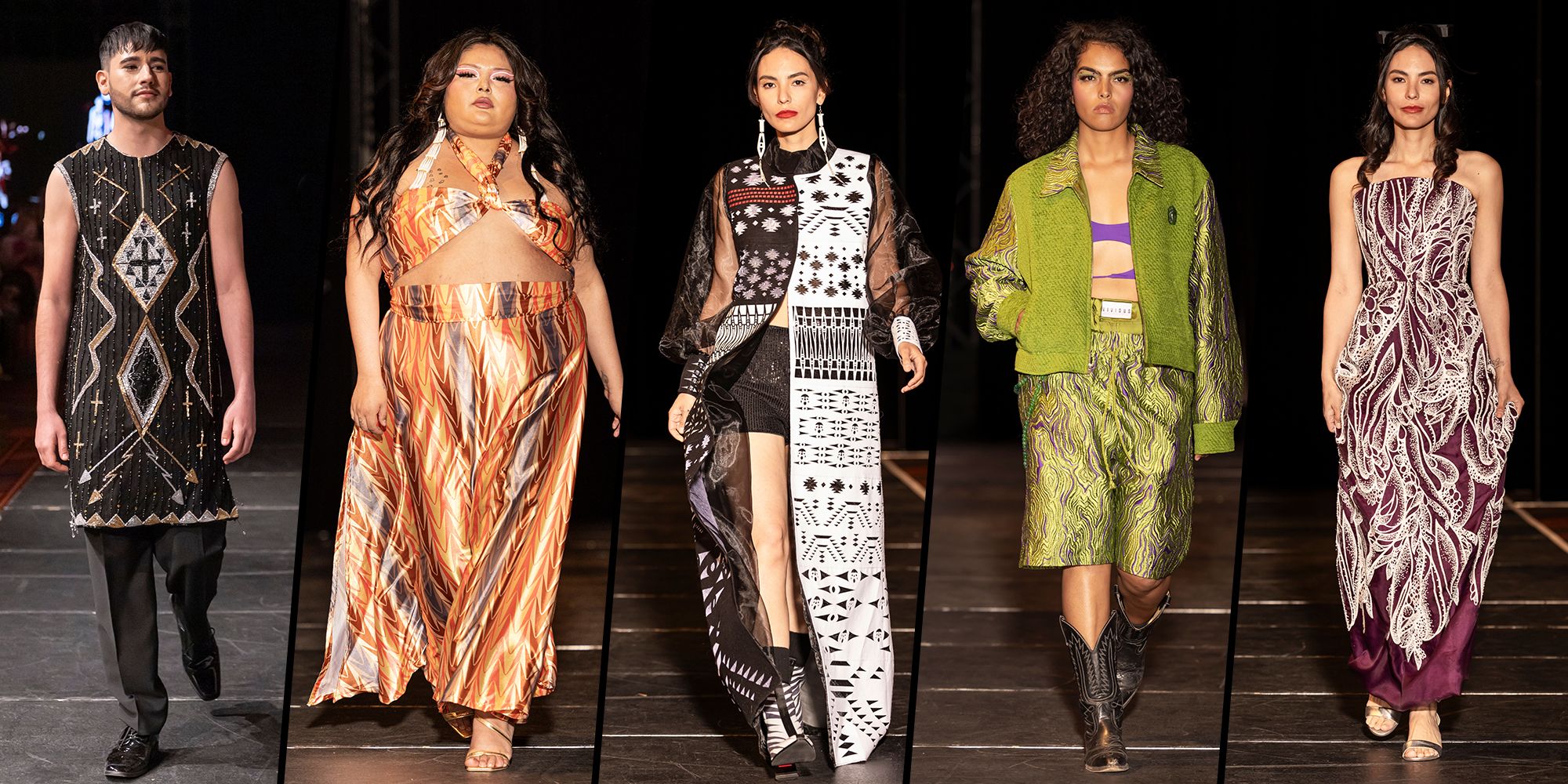
First Native Fashion Week 2 (FNFW2) cemented its position as a pivotal event in the global fashion landscape, showcasing the vibrant, innovative, and deeply rooted artistry of Indigenous designers. Building upon the success of its inaugural year, FNFW2 amplified Indigenous voices, celebrated cultural heritage, and presented a compelling vision for the future of fashion that is both sustainable and ethically grounded. The week-long event, held in [Location – e.g., Vancouver, Canada; New York City, USA – be specific if you have a real event to draw from, otherwise use a plausible placeholder], drew international attention, attracting designers, buyers, media, and fashion enthusiasts eager to witness a new paradigm in design. This iteration of FNFW was more than just a series of runway shows; it was a dynamic platform for cultural exchange, economic empowerment, and a powerful statement against the historical marginalization of Indigenous creativity.
The core of FNFW2 lay in its diverse roster of participating designers, each bringing a unique perspective and a rich tapestry of cultural influences. From the intricate beadwork of Plains nations to the contemporary interpretations of traditional weaving techniques from the Pacific Northwest, the collections presented were a testament to the enduring strength and adaptability of Indigenous artistic traditions. Designers like [Designer Name 1, e.g., Jamie Okuma, Bethany Yellowtail] offered haute couture pieces that seamlessly blended ancestral motifs with modern silhouettes, demonstrating that tradition is not static but a living, breathing entity capable of evolving and inspiring. Their collections were characterized by meticulous craftsmanship, often utilizing ethically sourced materials and age-old techniques passed down through generations. The use of natural dyes, hand-stitched embroidery, and symbolic patterns not only created visually stunning garments but also served as potent narratives of identity, history, and connection to the land.
Beyond the aesthetic brilliance, FNFW2 placed a significant emphasis on the storytelling inherent in Indigenous fashion. Each garment was a vessel carrying generations of knowledge, cultural protocols, and ancestral wisdom. Designers spoke passionately about the inspirations behind their work, often drawing from oral histories, spiritual beliefs, and the natural environment. This narrative depth resonated deeply with attendees, who were invited to engage with the cultural significance of the designs, moving beyond a purely commercial appreciation of fashion. For instance, a collection inspired by [Specific cultural story or symbol, e.g., the teachings of the Raven] by [Designer Name 2, e.g., Sho Sho Esquiro] not only showcased breathtaking outerwear but also educated the audience about the spiritual significance of the raven in Indigenous culture and its role in creation stories. This educational component is crucial for fostering genuine understanding and respect for Indigenous cultures.
Sustainability and ethical production were cornerstones of FNFW2, aligning perfectly with the values deeply ingrained in many Indigenous communities. The event actively promoted practices that honor the environment and ensure fair treatment of artisans. Many designers showcased the use of reclaimed materials, organic fabrics, and traditional methods of production that minimize waste and environmental impact. This commitment to conscious consumerism offered a powerful counterpoint to the often exploitative and environmentally damaging practices prevalent in the mainstream fashion industry. The emphasis on longevity and durability in Indigenous craftsmanship, as opposed to fast fashion’s disposability, presented a compelling model for a more sustainable future. FNFW2 championed a holistic approach to fashion, where the well-being of the planet and its people is intrinsically linked to the creation of beautiful and meaningful objects.
The economic impact of FNFW2 was also a significant consideration. The event provided a vital platform for Indigenous designers to connect with a global market, facilitating sales, collaborations, and brand development. By bypassing traditional gatekeepers and offering direct access to buyers and media, FNFW2 empowered designers to gain recognition and financial independence. This not only benefits individual artisans but also contributes to the economic revitalization of Indigenous communities. The establishment of dedicated marketplaces and networking opportunities within the event allowed designers to build relationships with retailers, stylists, and influencers, thereby expanding their reach and influence. The long-term vision of FNFW is to foster a thriving Indigenous fashion industry that generates sustainable livelihoods and preserves cultural heritage for future generations.
The educational and cultural exchange aspects of FNFW2 were multifaceted. Panel discussions, workshops, and masterclasses offered invaluable insights into the challenges and triumphs faced by Indigenous designers. These sessions delved into topics such as intellectual property rights, cultural appropriation versus appreciation, and the importance of community-based design practices. Experts, cultural knowledge keepers, and designers shared their experiences, fostering a dialogue that is essential for navigating the complexities of the fashion world while remaining true to one’s cultural identity. The intergenerational exchange was particularly impactful, with elders and emerging designers collaborating and sharing knowledge, ensuring the continuity of traditional techniques and artistic expressions. This knowledge transfer is vital for the preservation of cultural heritage.
Beyond the runway, FNFW2 often included immersive cultural experiences that provided attendees with a deeper understanding of Indigenous life and artistry. These could range from [examples: traditional music and dance performances, art installations, craft demonstrations, culinary experiences featuring Indigenous foods]. These elements were not merely supplementary; they were integral to the overall experience, highlighting the interconnectedness of fashion, art, culture, and daily life within Indigenous communities. Such experiences allowed for a more profound and authentic engagement with the designers and their creative processes, moving beyond a superficial observation of garments on a catwalk.
The media coverage and public reception of FNFW2 were overwhelmingly positive, underscoring a growing global appetite for authentic and culturally rich fashion. Mainstream fashion publications, independent blogs, and social media influencers all recognized the significance of the event, amplifying its message and reaching a wider audience. This increased visibility is crucial for challenging stereotypes and promoting a more nuanced understanding of Indigenous peoples and their contributions to the arts. The online presence of FNFW2, including live streams and digital archives of the collections, further extended its reach, making the event accessible to a global audience. The buzz generated online and in traditional media played a vital role in raising awareness and fostering support for Indigenous fashion initiatives.
Looking ahead, FNFW2 sets a precedent for future fashion weeks and broader industry practices. Its success demonstrates the immense potential of Indigenous design and the urgent need for greater inclusivity and representation in the fashion world. The event serves as a powerful reminder that fashion can be a vehicle for cultural preservation, economic empowerment, and social change. The principles of collaboration, respect for tradition, and environmental stewardship championed by FNFW2 offer a blueprint for a more ethical and meaningful fashion industry. The ongoing commitment to supporting Indigenous designers and fostering their growth is paramount to ensuring the long-term impact and legacy of this transformative event. FNFW2 is not merely a trend; it is a movement that is fundamentally reshaping the landscape of fashion, proving that Indigenous creativity is not only relevant but essential for the future. The continued support and recognition of events like FNFW2 are critical for advancing this crucial conversation and ensuring that Indigenous voices are not only heard but celebrated on the global stage. The implications of FNFW2 extend far beyond the realm of fashion, offering a powerful model for how cultural heritage can be honored, revitalized, and translated into contemporary success.

