
Four Corners Ireland Whiskey Cheese Pairing Evening: A Gastronomic Journey
The concept of pairing whiskey and cheese is a time-honored tradition, particularly within the rich cultural tapestry of Ireland. This article explores the intricate art of creating a "Four Corners Ireland Whiskey Cheese Pairing Evening," a curated experience designed to illuminate the diverse flavor profiles of Irish whiskey and its perfect counterparts in artisanal Irish cheese. This isn’t merely about consumption; it’s about understanding the symbiotic relationship between these two iconic Irish products, enhancing each other’s character and revealing subtle nuances often missed in isolation. We will delve into the selection criteria for both whiskey and cheese, the methodology for a successful tasting, and the specific pairings that define this elevated gastronomic pursuit.
The foundation of any successful Four Corners Ireland Whiskey Cheese Pairing Evening lies in the judicious selection of both the spirits and the dairy. For the whiskey, a range that represents the breadth of Irish distillation is crucial. This typically includes a triple-distilled single malt for its smoothness and fruitiness, a blended whiskey for its versatility and approachability, a single pot still whiskey for its spicy, complex character derived from its unique mash bill (a combination of malted and unmalted barley), and a peated Irish whiskey, a less common but increasingly popular category that offers a smoky dimension. Each of these styles offers a distinct aromatic and flavor profile that will interact differently with cheese. The smoothness of a triple-distilled malt might complement creamy textures, while the spice of a pot still can cut through the richness of aged cheddar.
Similarly, the cheese selection must mirror this diversity. For a Four Corners experience, we aim for a range that showcases different milk types (cow, sheep, goat), aging periods (young, mature, aged), and processing styles (hard, semi-hard, soft, blue). A young, creamy cow’s milk cheese offers a mild, buttery base. A mature, crumbly cheddar provides nutty and savory notes. A sheep’s milk cheese, often with a tangier profile, can offer a contrasting zest. A robust blue cheese, with its pungent aroma and sharp flavor, presents a significant challenge and reward in pairing. The goal is to select cheeses that are undeniably Irish, emphasizing the quality and tradition of Irish dairy production, from small-scale artisan producers to more established dairies.
The methodology for conducting a Four Corners Ireland Whiskey Cheese Pairing Evening is paramount to unlocking the full potential of the experience. Begin with palate preparation. It’s advisable to have neutral crackers or a small piece of plain soda bread available to cleanse the palate between pairings. Water should also be readily accessible. The tasting order is important. Generally, one progresses from lighter to bolder flavors, both in whiskey and cheese. This prevents a more robust cheese or whiskey from overwhelming the more delicate profiles of subsequent items.
The act of tasting itself requires attention to detail. For the whiskey, observe its color, then inhale its aroma. Take a small sip, letting it coat the palate, noting its initial flavors, mouthfeel, and the finish. For the cheese, examine its texture, color, and aroma. Take a small bite, allowing it to melt on the tongue, identifying its primary flavors and how they evolve. The pairing occurs when you consume a small piece of cheese followed by a sip of its designated whiskey, or vice versa. Pay close attention to how the flavors interact. Does the whiskey enhance the sweetness of the cheese? Does the cheese temper the heat of the whiskey? Does a new, unexpected flavor emerge? The "Four Corners" aspect refers to the deliberate selection of four distinct pairings that represent different facets of Irish whiskey and cheese.
Let’s now explore specific pairings that embody the essence of a Four Corners Ireland Whiskey Cheese Pairing Evening. These are not prescriptive but illustrative, designed to spark creativity and a deeper appreciation for the possibilities.
Pairing 1: The Gentle Embrace – Triple-Distilled Single Malt and a Young, Creamy Cow’s Milk Cheese.
- Whiskey Profile: Triple-distilled Irish single malts are renowned for their exceptional smoothness, often exhibiting delicate notes of vanilla, orchard fruits (apple, pear), and a hint of honey. The triple distillation process removes more impurities, resulting in a lighter, more approachable spirit. Examples might include a Redbreast 12 Year Old (though technically a pot still, its smoothness aligns with this) or a GlenDronach 12 Year Old (Scottish, but the style is relevant for comparison).
- Cheese Profile: A young, creamy cow’s milk cheese, such as a Cashel Blue (a mild, creamy blue, often a good starting point for blue cheese novices) or a Gubbeen Cheese (a semi-soft, washed-rind cheese with a mild, earthy flavor). The key here is a cheese with a rich, buttery texture and a relatively mild flavor profile that won’t overpower the delicate whiskey.
- The Harmony: The creamy texture of the cheese coats the palate, softening the whiskey’s initial intensity. The subtle sweetness and fruit notes of the single malt find an echo in the mild sweetness of the cheese. The buttery notes of the cheese can highlight the vanilla and honey undertones of the whiskey, creating a smooth, comforting, and easily enjoyable pairing. The gentle nature of both allows for an introduction to the pairing concept without being overly challenging. This pairing is about subtle synergy, where each element enhances the other without dominating. The cleanliness of the triple-distilled whiskey also acts as a palate cleanser, preparing you for the next stage.
Pairing 2: The Spicy Dance – Single Pot Still Whiskey and a Mature, Crumbly Cheddar.
- Whiskey Profile: Single Pot Still Irish whiskey is unique to Ireland, characterized by its mash bill containing both malted and unmalted barley. This combination, along with the pot still distillation, imparts a distinct spicy, peppery, and oily character, often accompanied by notes of fruitcake, citrus zest, and even a touch of mint. Brands like Redbreast 12 Year Old (a benchmark for the style) or Green Spot are excellent examples.
- Cheese Profile: A mature, crumbly Irish Cheddar is essential here. Look for cheddars that have been aged for at least 18 months, ideally longer. These cheeses develop a pronounced sharpness, with nutty, savory, and sometimes even caramel-like notes. The crumbly texture is a direct result of aging, indicating a concentration of flavor. Examples could include Ardrahan or a farmhouse cheddar from the west of Ireland.
- The Harmony: This pairing is a classic for a reason. The assertive spice and pepper notes of the pot still whiskey cut through the richness and saltiness of the mature cheddar. The nutty and savory characteristics of the cheese provide a robust foundation for the complex whiskey. Conversely, the whiskey’s spice can accentuate the sharpness of the cheddar, bringing out its finer nuances. The oily mouthfeel of the pot still whiskey complements the firm, crumbly texture of the aged cheddar, creating a satisfying tactile and gustatory experience. The fruitcake notes in the whiskey can find a parallel in the deeper, more complex sweetness that develops in well-aged cheddar. This is a pairing of bold personalities finding a balanced dialogue.
Pairing 3: The Earthy Contrast – Blended Irish Whiskey and an Irish Farmhouse Sheep’s Milk Cheese.
- Whiskey Profile: Blended Irish whiskeys offer a balance of grain whiskey and malt or pot still whiskey, resulting in a smooth, approachable, and often versatile spirit. They can exhibit a range of flavors, from light citrus and floral notes to hints of vanilla and spice, depending on the blend. Jameson Irish Whiskey, Bushmills Original, or Powers Gold Label are popular choices.
- Cheese Profile: An Irish farmhouse sheep’s milk cheese provides a distinctive tang and a slightly firmer, more granular texture than cow’s milk cheeses. These cheeses often have a cleaner, sharper flavor profile with earthy or grassy undertones, especially if the sheep have grazed on rich pastures. Examples include Durrus (though typically cow’s milk, sheep versions exist and the style is representative) or a firm sheep’s cheese from producers like Cashel Farmhouse Cheese or Ardsallagh.
- The Harmony: The clean, slightly grassy notes of the sheep’s milk cheese offer a refreshing counterpoint to the broader spectrum of flavors in a blended whiskey. The tanginess of the sheep’s cheese can act to cleanse the palate, preparing it for the next sip of whiskey, and vice versa. The earthiness of the cheese can bring out any subtle earthy or mineral notes that might be present in the blend, while the whiskey’s complexity can add depth to the cheese’s character. This pairing is about finding harmony in contrast, where the inherent differences create a more intriguing and balanced overall taste. The versatility of the blended whiskey allows it to adapt to the distinct character of the sheep’s cheese, creating a dynamic interplay.
Pairing 4: The Bold Frontier – Peated Irish Whiskey and a Pungent Irish Blue Cheese.
- Whiskey Profile: While not as prevalent as in Scotland, peated Irish whiskeys are making a resurgence. They are characterized by a smoky, phenolic aroma and flavor, reminiscent of peat smoke, iodine, or even medicinal notes, often balanced with underlying sweetness and fruit. Examples include Connemara Peated Irish Whiskey or Teeling Single Malt (selectively peated).
- Cheese Profile: A strong, pungent Irish blue cheese is the ultimate challenge and reward in this pairing. These cheeses possess intense aromas and flavors – salty, sharp, and often with a lingering, almost spicy finish. The blue veins are a result of Penicillium roqueforti mold, adding a distinct pungency. Examples include Roquefort (French, but the intensity is key), or Irish artisanal blues like Crozier Blue (sheep’s milk blue) or Cashel Blue (as mentioned earlier, but aged versions become more potent).
- The Harmony: This is a pairing for the adventurous palate. The intense smoke and medicinal notes of the peated whiskey can stand up to, and even complement, the powerful flavors of a strong blue cheese. The saltiness of the cheese can mellow the whiskey’s peat, bringing out its underlying sweetness. Conversely, the smoky character of the whiskey can enhance the savory depth of the blue cheese, preventing it from becoming overwhelming. The pungent aroma of the blue cheese can be tamed by the robust nature of the peated whiskey, leading to a surprisingly harmonious, albeit bold, conclusion. It’s a dance on the edge, where the intensity of each element is met and balanced by the intensity of the other. The finish of such a pairing is often long and memorable.
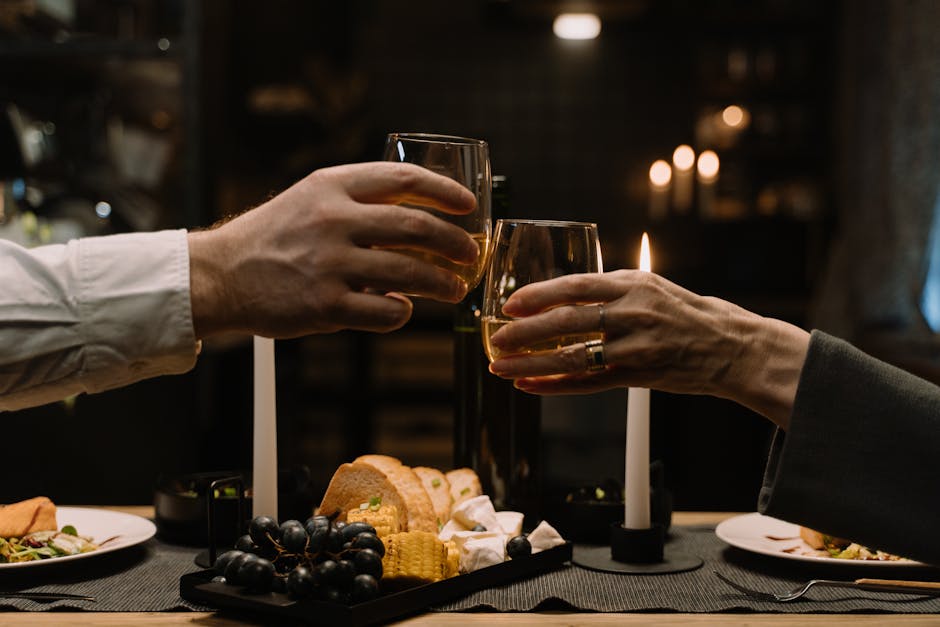
Beyond the specific pairings, consider the sensory experience. The visual appeal of the cheeses arranged artistically, the golden hues of the whiskies in their glasses, and the ambient atmosphere all contribute to the evening. The use of appropriate glassware for whiskey is crucial – tulip-shaped glasses enhance aroma. For cheese, simply presenting them on wooden boards or slate platters adds an artisanal touch. Encouraging discussion and sharing of observations among participants amplifies the learning and enjoyment.
The "Four Corners Ireland Whiskey Cheese Pairing Evening" is more than just a tasting; it’s an educational journey through the heart of Irish culinary heritage. By carefully selecting whiskies that represent the spectrum of Irish distillation and cheeses that showcase the diversity of Irish dairy, and by employing a structured tasting methodology, one can create an unforgettable gastronomic experience. Each pairing reveals a unique narrative, a conversation between spirit and cheese that speaks to the rich terroir and artisanal craftsmanship that define Ireland. The success of such an event lies in the deliberate choices made at each "corner," creating a well-rounded and deeply satisfying exploration of two of Ireland’s most cherished products. Mastering these pairings allows for a deeper understanding and appreciation of both whiskey and cheese, transcending simple consumption into a true celebration of flavor.

