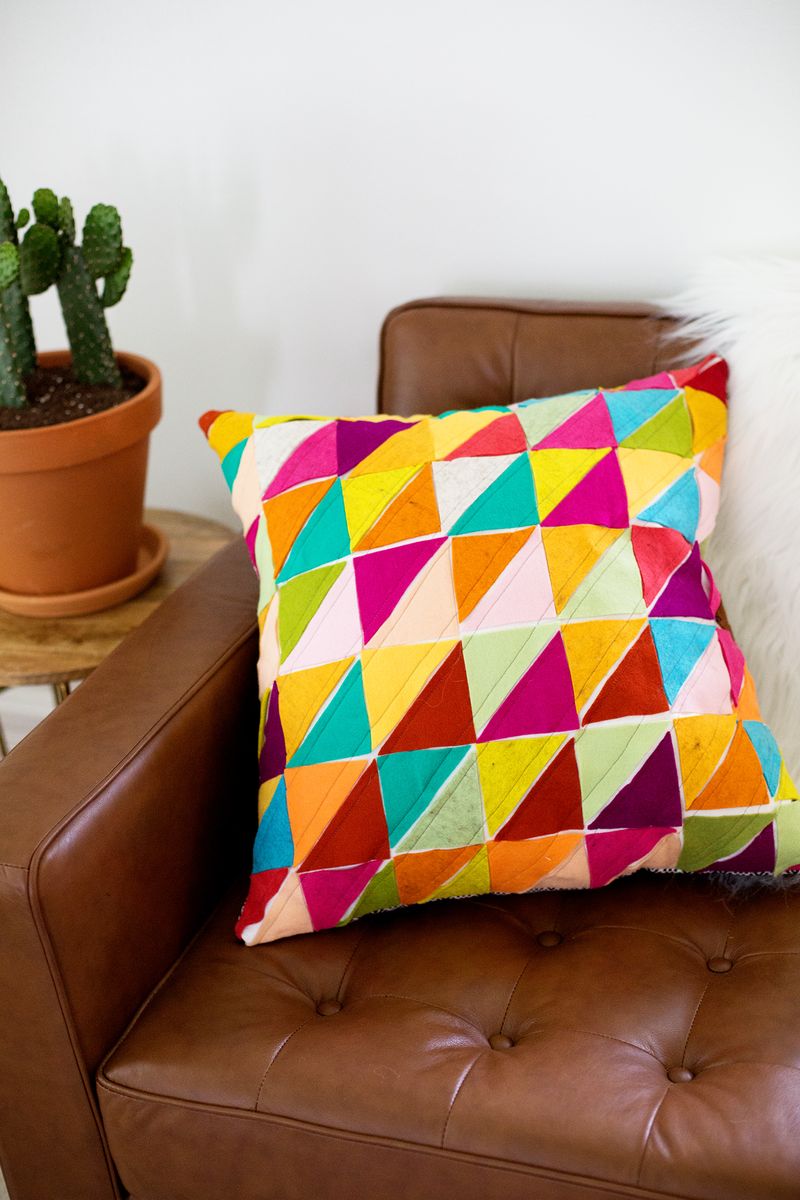

Geometric Wool Felt Pillows: A Comprehensive Guide to Design, Durability, and Decor
Geometric wool felt pillows offer a compelling intersection of natural materials, artisanal craftsmanship, and modern design aesthetics, making them a highly sought-after decorative and functional element in contemporary interiors. The inherent qualities of wool felt—its softness, resilience, and unique textural appeal—when combined with precise geometric patterns, create a visual and tactile experience that elevates any living space. This article delves into the multifaceted world of geometric wool felt pillows, exploring their material science, design possibilities, crafting techniques, integration into various decor styles, and their enduring appeal as sustainable and stylish home furnishings.
Wool felt, the primary material, is a non-woven textile produced by matting, condensing, and pressing wool fibers together. The process of felting relies on the natural properties of wool, specifically the microscopic scales on each fiber that interlock and bind when subjected to moisture, heat, and agitation. This inherent bonding mechanism eliminates the need for weaving or knitting, resulting in a dense, durable, and remarkably soft fabric. For pillows, wool felt provides exceptional cushioning and insulation, making them both comfortable for lounging and visually substantial. The natural lanolin present in wool also imparts a degree of water resistance and a degree of flame retardancy, adding to the material’s practical advantages. Furthermore, wool is a renewable and biodegradable resource, aligning with the growing consumer demand for sustainable home decor. The rich, matte surface of wool felt also accepts dyes exceptionally well, allowing for a vast spectrum of colors that remain vibrant and resistant to fading, a crucial attribute for decorative pillows.
The allure of geometric patterns in interior design lies in their ability to impose order, create visual interest, and communicate a sense of modernity or sophistication. Geometric wool felt pillows leverage this by translating abstract shapes – squares, circles, triangles, chevrons, hexagons, and more complex tessellations – into tactile fabric forms. The application of these patterns can range from subtle and understated, such as a single embroidered geometric motif on a solid felt background, to bold and intricate designs that cover the entire pillow surface. The dimensionality of felt allows for unique interpretations of geometric forms. For instance, appliqué techniques, where pre-cut felt shapes are layered and stitched onto a base, create raised, three-dimensional elements that add depth and shadow play. Laser cutting can produce sharp, precise edges for geometric shapes, while hand-cutting preserves a slightly softer, more organic feel. The interplay of different felt colors within a geometric design can create striking contrasts or harmonious gradients, further enhancing the visual impact. The versatility extends to scale; small geometric patterns can create a sense of texture and subtle rhythm, while larger, bolder geometries can act as focal points within a room.
The crafting of geometric wool felt pillows involves a variety of techniques, each contributing to the final aesthetic and durability. Hand-cutting and stitching are fundamental, allowing for artisanal precision and unique character. This method is often employed for more intricate or custom designs where the human touch is paramount. Appliqué, as mentioned, is a popular technique for creating raised geometric patterns. This involves cutting shapes from contrasting felt colors and carefully stitching them onto the pillow’s surface. The stitching itself can be a decorative element, with contrasting thread colors and visible stitch patterns like blanket stitch or running stitch adding to the handcrafted appeal. Embroidery is another significant technique, where geometric designs are stitched directly onto the felt using needle and thread. This can range from simple outline stitches to dense satin stitches that fill in shapes, creating textural variations within the pattern. Modern laser cutting technology offers an alternative for achieving incredibly precise and intricate geometric designs, particularly for complex tessellations or sharp-edged patterns. However, it’s essential to ensure the felt is of sufficient quality to withstand the heat of the laser without excessive fraying or discoloration. The construction of the pillow itself also plays a role. High-quality stitching ensures the seams are robust and can withstand regular use and compression. Invisible zippers are often preferred for a seamless finish, while envelope closures offer ease of access for washing or inserting the pillow insert.
Integrating geometric wool felt pillows into diverse interior design styles is remarkably straightforward due to their inherent versatility. In Modern and Contemporary settings, they act as essential elements, their clean lines and geometric forms echoing the minimalist ethos. A pillow with sharp, angular patterns in a neutral palette can complement sleek furniture and open-plan layouts. For a more vibrant contemporary space, bold, multi-colored geometric designs can inject energy and personality. In Scandinavian design, characterized by its emphasis on natural materials, functionality, and a neutral color palette, geometric wool felt pillows offer textural warmth and visual interest without overwhelming the space. A pillow with a simple Nordic-inspired geometric motif in muted tones would be an ideal addition. Bohemian interiors, known for their eclectic mix of patterns, textures, and colors, can accommodate geometric wool felt pillows as a way to introduce structured elements amidst a more free-spirited aesthetic. Layering pillows with different geometric patterns and vibrant colors can create a rich, inviting look. Mid-Century Modern design, with its love for organic shapes and atomic-inspired motifs, can be enhanced by geometric wool felt pillows that echo the era’s fascination with geometric abstraction. Patterns like starbursts or stylized organic geometries in a retro color palette would be fitting. Even in more Traditional or Transitional spaces, geometric wool felt pillows can offer a contemporary update. A pillow with a subtle geometric pattern in a classic color scheme can add a touch of modern refinement without disrupting the overall formality. The tactile nature of felt also provides a welcome contrast to smoother fabrics often found in traditional decor.
Beyond their aesthetic contributions, geometric wool felt pillows offer several practical and ethical advantages. Durability is a key feature. Wool felt is inherently resistant to pilling, stretching, and wear, making these pillows a long-lasting investment. The dense structure of felt also helps it retain its shape, resisting the flattening that can plague lesser quality pillow materials. Hypoallergenic properties are another benefit. Natural wool is resistant to dust mites and mold, making it a good choice for individuals with allergies or respiratory sensitivities. The natural lanolin in wool also contributes to its breathability, helping to regulate temperature and prevent overheating. Sustainability is a significant draw. Wool is a renewable resource that biodigrades naturally, reducing its environmental footprint compared to synthetic alternatives. Responsible sourcing of wool, supporting ethical farming practices, further enhances the eco-friendly credentials. Ease of Care is generally good. While specific cleaning instructions should always be followed, many wool felt pillows can be spot-cleaned or gently hand-washed. Their resistance to wrinkles means they often require minimal ironing, if any. The inherent sound-dampening qualities of felt can also contribute to a quieter, more peaceful environment within a room, absorbing some ambient noise.
When selecting geometric wool felt pillows, several factors warrant consideration to ensure optimal satisfaction. Material Quality is paramount. Opt for pillows made from 100% natural wool, preferably from reputable sources that emphasize sustainable and ethical practices. The density and thickness of the felt will influence its feel and durability. Look for reviews or descriptions that detail the felt’s quality. Craftsmanship is equally important. Examine the stitching for neatness, uniformity, and strength. Appliquéd elements should be securely attached with no signs of lifting. The precision of the geometric pattern, whether hand-cut or machine-generated, should be assessed. Colorfastness is crucial for longevity. High-quality dyes should be used to prevent fading, especially in areas exposed to direct sunlight. Inquire about the dyeing process if possible. Size and Scale should be considered in relation to the furniture they will adorn and the overall proportions of the room. A small accent pillow might feature a delicate geometric pattern, while a larger floor pillow could showcase a bold, graphic design. Insert Quality also affects the overall comfort and appearance. A well-stuffed, resilient insert made from down, feathers, or high-quality synthetic fibers will ensure the pillow maintains its shape and provides adequate support. Finally, consider the overall design coherence with your existing decor. While geometric patterns are versatile, choosing colors and styles that complement your established palette and furniture will lead to a more harmonious and impactful interior.
The trend towards natural materials and artisanal craftsmanship in interior design continues to grow, positioning geometric wool felt pillows as enduringly relevant and desirable decor items. Their unique combination of tactile softness, visual precision, and sustainable sourcing makes them more than just decorative accents; they are statements of style, comfort, and conscious living. As consumers increasingly seek to imbue their homes with personality and authenticity, these pillows offer a compelling solution, blending the timeless appeal of natural wool with the dynamic energy of geometric design. Their adaptability across a spectrum of design styles ensures they can seamlessly integrate into existing interiors, while their inherent durability and comfort make them a practical and enjoyable addition to any living space for years to come. The continued innovation in felt production and design techniques promises to further expand the creative possibilities for these versatile textile pieces.
