
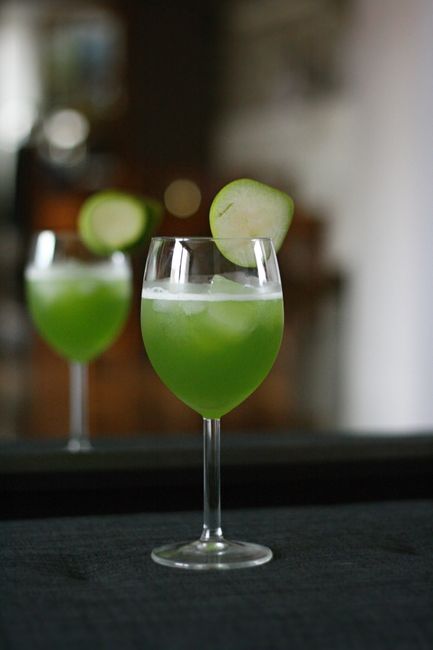
The Emerald Elixir: A Deep Dive into the Green Apple and Pear Chi Chi Cocktail
The Chi Chi cocktail, a tropical classic, traditionally boasts vodka, pineapple juice, and cream of coconut. However, a vibrant and refreshing variation emerges when green apple and pear are introduced, transforming this creamy libation into an emerald elixir. This article explores the nuances of the Green Apple and Pear Chi Chi, its flavor profile, ingredient selection, recipe variations, and its appeal to a sophisticated palate seeking a sophisticated yet accessible tropical escape.
The Green Apple and Pear Chi Chi offers a departure from the purely sweet and creamy profile of its predecessor. The tartness of green apple, often Granny Smith, provides a crucial counterpoint to the inherent sweetness of the other ingredients. This acidity cuts through the richness of the cream of coconut, preventing the cocktail from becoming cloying. Pear, with its subtly floral and honeyed notes, adds a layer of complexity and a smoother, more nuanced sweetness than pineapple might alone. The combination creates a harmonious balance, where the fruit flavors are distinct yet complementary, dancing on the palate rather than overpowering it. Imagine the crisp, bright burst of a green apple followed by the softer, more mellow sweetness of a ripe pear, all enveloped in the luxurious creaminess of coconut. This interplay of tart, sweet, and creamy is what elevates the Green Apple and Pear Chi Chi from a simple mixed drink to a thoughtfully crafted cocktail. The vodka, acting as a neutral canvas, allows the fruit and coconut flavors to shine without introducing any competing spirit notes. The overall experience is one of sophisticated refreshment, a tropical vacation in a glass with an unexpected, delightful twist.
Ingredient selection is paramount for achieving the optimal flavor profile in a Green Apple and Pear Chi Chi. The choice of vodka influences the overall smoothness and subtle character of the drink. A mid-range to premium vodka, with a clean, neutral taste, is recommended. Avoid overly flavored vodkas that might clash with the delicate fruit notes. For the green apple component, Granny Smith apples are the undisputed champion. Their sharp, tart flavor is essential for providing the necessary acidic backbone. Avoid sweeter apple varieties, as they will diminish the desired contrast. Freshly squeezed apple juice is ideal, but if using store-bought, opt for 100% pure juice with no added sugars or artificial flavors. The quality of the pear is equally important. Ripe but firm Bosc or Anjou pears are excellent choices. Their natural sweetness and slightly grainy texture contribute to the cocktail’s complexity. Again, fresh pear purée or juice is preferred. If using purée, ensure it is smooth and free of any fibrous bits. Cream of coconut is the foundational element for the Chi Chi’s signature creamy texture. Brands like Coco Lopez or Real Cream of Coconut are widely recognized for their quality and are essential for achieving that classic tropical mouthfeel. Lower-fat coconut milk will not provide the same richness. For a dairy-free or lighter option, full-fat coconut milk, potentially thickened with a touch of cornstarch or xanthan gum, can be explored, though it will alter the texture slightly. The ice used for shaking and serving should be fresh and clean, as stale ice can impart unwanted flavors. Garnish, while seemingly minor, plays a role in both presentation and aroma. A thin slice of green apple, a thin wheel of pear, or a sprig of mint can add visual appeal and a subtle aromatic cue that enhances the drinking experience.
Crafting the perfect Green Apple and Pear Chi Chi involves a precise balance of ratios and techniques. The classic Chi Chi ratio often leans towards a 2:1:1 ratio of vodka to pineapple juice to cream of coconut. For the green apple and pear variation, adjustments are necessary. A foundational recipe might involve 2 ounces of vodka, 1.5 ounces of fresh green apple juice, 1 ounce of fresh pear purée or juice, and 1 ounce of cream of coconut. These ratios are a starting point and can be adjusted based on personal preference for sweetness, tartness, and creaminess. For instance, a more tart rendition might increase the green apple juice to 2 ounces, while a sweeter profile might slightly increase the pear component. The shaking technique is crucial for emulsifying the cream of coconut and chilling the drink uniformly. Combine all ingredients in a cocktail shaker filled with ice. Shake vigorously for 15-20 seconds, ensuring a frothy and well-chilled mixture. This process aerates the drink and helps to blend the cream of coconut seamlessly. Straining the cocktail is also important. Use a Hawthorne strainer to keep back the ice shards and a fine-mesh strainer for a perfectly smooth texture, especially if using fresh pear purée. Serving the Green Apple and Pear Chi Chi in a chilled coupe or martini glass elevates the presentation, emphasizing its sophisticated nature. Alternatively, a chilled hurricane or tiki glass can enhance the tropical feel, especially if served with crushed ice.
Exploring variations of the Green Apple and Pear Chi Chi allows for further customization and creative expression. A Spiced Green Apple and Pear Chi Chi can be achieved by infusing the vodka with cinnamon sticks and star anise for a few days prior to use, or by adding a pinch of cinnamon or nutmeg to the shaker. This adds warmth and depth, transforming the cocktail into a more autumnal or cozy beverage. For a Herbal Twist, consider muddling a few fresh mint leaves or a sprig of rosemary in the shaker before adding the other ingredients. Mint provides a refreshing contrast, while rosemary offers a more earthy, herbaceous note that complements the pear beautifully. A Ginger Kick can be introduced by adding a small piece of fresh ginger to the shaker, or by using ginger-infused vodka. This adds a zesty, warming element that cuts through the richness. To create a Boozy Berry Burst, incorporate a small amount of raspberry or cranberry purée. These berries, with their tartness, can further enhance the fruit complexity and add a beautiful color dimension. For a Non-Alcoholic (or Virgin) Green Apple and Pear Chi Chi, the vodka can be omitted entirely. The remaining ingredients, perhaps with the addition of a splash of sparkling water or club soda for effervescence, create a delightful and refreshing mocktail. This allows for enjoyment by a wider audience. When experimenting with purées, it’s essential to strain them thoroughly to avoid fibrous textures in the final drink. Adjusting the sweetness with a simple syrup or agave nectar is also an option, especially if the fruits are not as ripe as desired.
The appeal of the Green Apple and Pear Chi Chi lies in its ability to bridge the gap between familiar tropical flavors and sophisticated fruit combinations. It appeals to individuals who appreciate the creamy indulgence of a Chi Chi but desire a less overtly sweet and more nuanced flavor profile. The tartness of the green apple offers a refreshing counterpoint that makes the drink more palate-cleansing and less heavy. This makes it an excellent choice for sipping on a warm afternoon or as a sophisticated aperitif. It also caters to a demographic that is increasingly seeking out craft cocktails with unique flavor profiles. The use of fresh fruits and the attention to ingredient quality are hallmarks of this growing trend. Furthermore, the visual appeal of the pale green hue, reminiscent of its fruity components, adds to its allure. It’s a cocktail that is both inviting and intriguing. For home bartenders, the Green Apple and Pear Chi Chi offers a relatively straightforward yet impressive entry into the world of fruit-forward tropical cocktails. The ingredients are generally accessible, and the technique, while requiring attention to detail, is not overly complex. The ability to adjust the ratios allows for a personalized experience, making each iteration unique to the individual’s taste. This sense of control and customization is a significant draw for modern cocktail enthusiasts.
The nutritional considerations of the Green Apple and Pear Chi Chi, while often secondary to its taste, are worth noting for health-conscious consumers. The primary contributors to calorie and sugar content are the cream of coconut and any added sweeteners. Cream of coconut is a rich source of fats and sugars. Fresh fruit juices, while providing vitamins and fiber, also contain natural sugars. Vodka, being a distilled spirit, is essentially calorie-free but contributes to the overall alcohol content. For a lighter version, one could explore using reduced-fat coconut milk, although this will impact the creamy texture. Alternatively, a smaller proportion of cream of coconut can be used, compensated by a touch more pear juice or a natural sweetener like stevia or monk fruit extract. However, it is crucial to acknowledge that these modifications will alter the authentic Chi Chi experience. The tartness of the green apple is its key nutritional benefit, offering vitamin C and antioxidants. Pears provide dietary fiber and potassium. Ultimately, the Green Apple and Pear Chi Chi is a dessert-like cocktail, and moderation is key. Enjoying it as an occasional indulgence rather than a daily beverage is the most sensible approach from a nutritional standpoint. Understanding the composition allows for informed choices, enabling individuals to tailor the drink to their specific dietary needs and preferences without compromising entirely on its delicious character.
The history of the Chi Chi cocktail itself provides context for the evolution of this green apple and pear variation. The original Chi Chi is believed to have emerged in the 1970s, a tropical, vodka-based alternative to the Piña Colada. The Piña Colada, with its rum base, had already established the appeal of creamy, tropical blended drinks. The Chi Chi offered a cleaner, more spirit-forward profile due to the vodka. This paved the way for further experimentation with the fruit components. The introduction of green apple and pear represents a natural progression, moving away from the exclusively pineapple-centric tropical profile to incorporate more complex and nuanced fruit flavors. This shift reflects broader trends in mixology, where bartenders and enthusiasts are increasingly exploring less conventional fruit pairings and seeking to elevate classic cocktails with a more sophisticated touch. The “craft cocktail” movement has undoubtedly influenced this evolution, encouraging a deeper understanding and appreciation of ingredient synergy and flavor balance. The Green Apple and Pear Chi Chi stands as a testament to this ongoing innovation, demonstrating how familiar frameworks can be adapted to create exciting new experiences. It’s a cocktail that honors its roots while confidently forging its own path, appealing to both the nostalgic lover of tropical drinks and the adventurous palate seeking something new.
In conclusion, the Green Apple and Pear Chi Chi cocktail is a sophisticated and refreshing interpretation of a beloved tropical classic. Its appeal lies in the exquisite balance of tart green apple, subtly sweet pear, and the creamy indulgence of coconut, all underpinned by the clean character of vodka. The meticulous selection of high-quality ingredients, from the crispness of the apples to the ripeness of the pears and the richness of the cream of coconut, is fundamental to its success. Through thoughtful recipe adjustments and a consideration of various flavor enhancements, this cocktail can be tailored to individual preferences, offering a versatile and crowd-pleasing option. Whether enjoyed as a revitalizing afternoon sip or a refined after-dinner treat, the Green Apple and Pear Chi Chi offers a delightful journey for the senses, showcasing the potential for creative expression within the realm of tropical mixology. Its enduring popularity is a testament to its successful blend of tradition and innovation, a truly emerald elixir that continues to captivate discerning drinkers.
