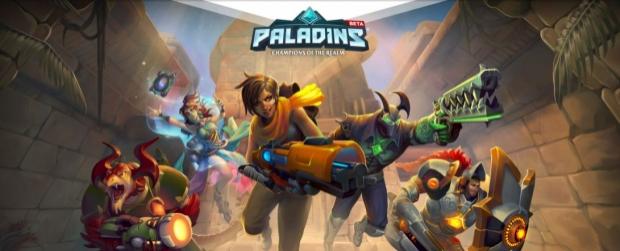

Paladins Uproar: A Deep Dive into Hi-Rez Studios’ Champion of the MOBA-Shooter Hybrid
The gaming landscape is a fiercely competitive arena, and few titles have navigated its turbulent waters with as much dramatic flair as Hi-Rez Studios’ Paladins. Launched in 2016, Paladins aimed to carve out a niche by blending the strategic depth of MOBAs with the fast-paced action of first-person shooters. While it initially garnered a dedicated following and boasted periods of significant popularity, the game has also been the subject of numerous "uproars" – periods of intense player dissatisfaction, community outcry, and intense debate surrounding its development, monetization, and core gameplay. This article delves into the multifaceted "Paladins Uproar," examining the key issues that have fueled player discontent and shaped the game’s evolution under Hi-Rez Studios.
The Genesis of the Uproar: Early Promises and Shifting Sands
Paladins emerged during a period where the "hero shooter" genre was experiencing a surge in popularity, with titles like Overwatch dominating the conversation. Hi-Rez Studios, already known for their success with Smite, sought to differentiate Paladins with a unique card-based loadout system that allowed for significant character customization and strategic flexibility. This innovative feature was a major selling point, promising a level of player agency rarely seen in the genre. However, even in its early stages, concerns began to surface regarding the pace of development, the clarity of its roadmap, and the perceived similarities to its then-contemporaneous competitor. The initial "uproar" was often characterized by a desire for greater transparency from Hi-Rez and a fear that the game would struggle to find its footing against a more established titan. Players were eager for the game to fulfill its ambitious promises, and any perceived missteps were amplified by this anticipation.
The Card System Conundrum: From Innovation to Controversy
The card system, initially lauded as Paladins’ greatest strength, eventually became a focal point of player frustration and a recurring catalyst for uproar. The system allowed players to equip a set of four cards that modified their champion’s abilities, offering unique synergies and playstyles. This theoretically provided deep strategic customization. However, as the game evolved, the balance of these cards became a constant battle. Certain card combinations could become overly dominant, leading to "one-trick" metas where specific champions or loadouts would reign supreme, stifling diversity and frustrating opponents. The uproar surrounding the card system often centered on:
- Balance Issues: Players frequently felt that certain cards were too powerful or too weak, leading to lopsided matches. The constant tweaking of card values by Hi-Rez, while necessary, often felt reactive rather than proactive, leading to periods of meta stagnation followed by abrupt shifts that could alienate existing player bases.
- "Pay-to-Win" Accusations: While Paladins operated on a free-to-play model with cosmetic microtransactions, the acquisition of certain powerful cards, particularly through loot boxes or early unlock systems, led to accusations of "pay-to-win" in its earlier iterations. Although Hi-Rez eventually shifted towards making all cards accessible through gameplay, the lingering perception and the initial implementation left scars on the community’s trust.
- Complexity and Accessibility: For new players, the sheer number of cards and their intricate interactions could be overwhelming, creating a steep learning curve. This contributed to a feeling of being at a disadvantage against veteran players who had mastered the system.
The constant back-and-forth regarding card balance and accessibility fueled significant community discussions, forum threads, and social media storms, marking the card system as a persistent source of uproar.
Monetization Models and Player Trust: The F2P Tightrope Walk
As a free-to-play title, Paladins’ monetization strategy has been a recurring theme in player discontent. While the core game is accessible to everyone, the methods employed to generate revenue have often sparked heated debate. The primary areas of contention include:
- Loot Boxes: In its early days, Paladins heavily relied on loot boxes for unlocking cosmetic items and, at times, in-game advantages (as mentioned with the cards). The randomized nature of loot boxes, coupled with the desire for specific items, often led to players spending significant amounts of money with no guarantee of obtaining their desired content. This practice, widely criticized across the gaming industry, fueled accusations of exploitative monetization.
- Battle Passes and Content Gating: More recently, the implementation of Battle Passes has become a standard practice in Paladins, offering exclusive cosmetic rewards for players who complete challenges and progress through tiers. While Battle Passes are generally accepted as a fair model, the pace of content release, the perceived value of the rewards, and the timing of their introduction have sometimes led to player frustration. When significant updates or new champions are tied to Battle Pass progression or require purchase, it can exacerbate feelings of being pressured to spend.
- Skin Pricing and Perceived Value: The cost of cosmetic skins, particularly high-tier or legendary skins, has also been a point of contention. Players often question the pricing of these items relative to their perceived quality or the amount of content offered in the game. This can lead to discussions about whether Hi-Rez is prioritizing monetization over player satisfaction.
The ongoing dialogue around monetization is a delicate balancing act for Hi-Rez. While essential for the game’s continued development, any perceived overreach or unfair practices can quickly ignite an uproar, damaging player trust and leading to accusations of prioritizing profit over the player experience.
Champion Balance and the Ever-Shifting Meta: A Constant Tug-of-War
The balance of champions in a hero-based game is paramount to its competitive integrity and overall player enjoyment. Paladins, with its diverse roster of unique champions, has faced persistent challenges in maintaining this equilibrium. The "uproar" in this regard often stems from:
- Overpowered/Underpowered Champions: Certain champions, due to their kit, card synergies, or recent buffs/nerfs, can become dominant forces in the meta, leading to predictable and frustrating gameplay. Conversely, champions that are perceived as significantly weaker can feel unviable, leading to player abandonment of those characters.
- Rapid Meta Shifts: Hi-Rez frequently adjusts champion abilities, stats, and card values through patches. While necessary for dynamism, these shifts can sometimes be too drastic or poorly communicated, leading to player confusion and frustration. A meta that players have invested time in understanding can be overturned overnight, requiring a complete relearning of strategies.
- The Impact of New Champions: The introduction of new champions can significantly shake up the existing meta. If a new champion is released in an unbalanced state, either too powerful or with mechanics that disrupt the game’s flow, it can lead to widespread player dissatisfaction and calls for immediate adjustments.
The constant cycle of buffs and nerfs, coupled with the introduction of new characters, creates a perpetual state of flux in Paladins’ meta. While this can be seen as a positive for keeping the game fresh, it also means that player dissatisfaction regarding balance is an almost constant undercurrent, erupting into vocal "uproars" when the pendulum swings too far in one direction.
Community Relations and Developer Communication: The Bridge to Trust
The relationship between a game developer and its community is crucial for long-term success. In Paladins’ case, the communication strategy employed by Hi-Rez Studios has been a significant factor in both fostering loyalty and, at times, fueling discontent. Areas where communication has been a point of contention include:
- Lack of Transparency: At various points in Paladins’ history, players have expressed frustration over a perceived lack of transparency regarding the game’s development roadmap, future plans, and reasoning behind significant game changes. This can lead to speculation, misinformation, and a general sense of distrust.
- Inconsistent Patch Notes: While patch notes are provided, their clarity, detail, and the absence of explanations for certain changes have sometimes been criticized. When players don’t understand why a change was made, it’s harder for them to accept it.
- Community Engagement: While Hi-Rez has a presence on social media and forums, the effectiveness and responsiveness of their community engagement have been debated. Perceived dismissiveness of player feedback or slow responses to critical issues can exacerbate feelings of being unheard.
- Handling of Major Issues: When significant bugs, exploits, or balance problems arise, the speed and effectiveness with which Hi-Rez addresses them are scrutinized. Delays in fixing critical issues can lead to widespread frustration and amplify any existing negative sentiment.
A lack of consistent, open, and honest communication can transform minor grievances into widespread "uproars." Conversely, proactive and transparent communication can help to manage player expectations, build trust, and even turn potential negative sentiment into constructive dialogue.
The "Paladins Uproar" as a Catalyst for Evolution
It is important to acknowledge that many of the "uproars" surrounding Paladins, while disruptive, have also served as catalysts for positive change. The persistent feedback and vocal dissatisfaction from the community have undeniably influenced Hi-Rez Studios’ development decisions. For instance, the shift away from loot boxes for card acquisition, the refinement of the Battle Pass system, and ongoing efforts to improve champion balance can all be seen as direct responses to community pressure. The "uproar" is not merely a symptom of discontent; it is an integral part of the game’s ongoing evolution. Players who are passionate enough to voice their concerns, even angrily, are those who care about the game’s future.
However, the cyclical nature of these "uproars" also suggests that the challenges are inherent to the genre and the business model. Balancing a free-to-play hero shooter with a dynamic meta and diverse monetization strategies is a complex undertaking. Hi-Rez Studios continues to navigate this landscape, striving to find the right equilibrium that satisfies both its player base and its business objectives. The "Paladins Uproar" is not a singular event but a continuous narrative of a game striving for its ultimate form, shaped by the passionate, and often vocal, community that plays it. The ongoing dialogue and debate, even when contentious, are a testament to the game’s enduring appeal and the desire of its players to see it succeed.

