
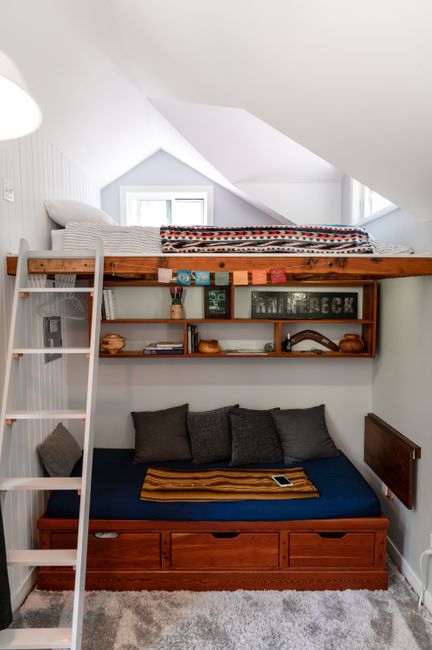
Small Space Living 2: Maximizing Functionality and Style in Compact Dwellings
The evolution of small space living is not merely a trend; it’s a pragmatic response to rising urban density, evolving lifestyle choices, and a growing desire for minimalist, sustainable living. While "Small Space Living 1" laid the groundwork with fundamental principles of decluttering and multi-functional furniture, "Small Space Living 2" delves deeper, exploring advanced strategies, innovative product integrations, and psychological approaches to truly thrive in compact environments. This article will equip readers with a comprehensive understanding of how to transform even the most modest square footage into a highly functional, aesthetically pleasing, and comfortable home.
I. Redefining Zones: Beyond the Open-Plan Illusion
In larger homes, distinct rooms serve as natural boundaries. In small spaces, this illusion of separation needs to be actively created and managed. This isn’t about building walls, but about employing intelligent design techniques to define distinct functional zones within a single, contiguous area.
-
Vertical Zoning: The most underutilized real estate in small spaces is vertical. Think upwards. Bookshelves, shelving units, and wall-mounted storage can create visual and functional separation. For example, a tall, open shelving unit can act as a divider between a living area and a home office, while simultaneously providing ample storage. Room dividers, whether freestanding screens, draperies, or even strategically placed plants, can further enhance this zoning effect. The key is to ensure these dividers don’t entirely block light or passage, maintaining an open feel.
-
Floor-Level Zoning: Different rug sizes and styles can delineate areas. A large area rug can anchor a living room, while a smaller, contrasting rug can define a dining nook or a reading corner. Changes in flooring material, even subtle ones like transitioning from hardwood to tile in a kitchen or entryway, can also create perceived separation.
-
Furniture as Dividers: Strategic placement of furniture is crucial. A sofa can face into a living area while its back subtly defines the edge of a dining space. A console table behind a sofa can act as a visual buffer. Even a well-placed armchair can create a cozy, semi-private nook.
-
Lighting as a Zoner: Different lighting schemes can highlight and separate zones. Ambient lighting for general illumination, task lighting for work areas (e.g., desk lamps), and accent lighting for specific features (e.g., picture lights) can create distinct moods and functionalities within the same room. Dimmable lights offer flexibility to adapt the atmosphere throughout the day.
II. The Art of Multi-Functional Furniture: Evolving Beyond the Sofa Bed
While sofa beds remain a staple, "Small Space Living 2" emphasizes more sophisticated and integrated multi-functional furniture solutions. The goal is seamless integration and minimal disruption to daily living.
-
Transformable Tables: Beyond dining tables that fold or extend, consider nesting tables that can be pulled out for entertaining or individual use, then stacked neatly for storage. Coffee tables with built-in storage, lift-top mechanisms, or expandable leaves offer versatility. Wall-mounted desks that fold down when not in use are essential for home offices.
-
Integrated Storage Furniture: Beds with under-bed storage are now the norm, but consider headboards with built-in shelving or nightstands. Ottomans and benches with hidden compartments provide convenient storage for blankets, remotes, or other household items. Modular shelving units that can be reconfigured to suit changing needs are invaluable.
-
Convertible Seating: Beyond sofa beds, explore modular sofas that can be rearranged into different configurations – from a sectional to individual chairs. Futons offer a more compact sleeping solution. Poufs can serve as footrests, extra seating, or even impromptu coffee tables.
-
Hidden and Integrated Appliances: Consider appliances designed specifically for small spaces, such as compact dishwashers, under-counter refrigerators, or combi-steam ovens. Integrated appliances that blend seamlessly with cabinetry create a cleaner, more organized aesthetic.
III. Embracing Verticality: The Power of Wall-Mounted Solutions
When floor space is limited, the walls become prime real estate. "Small Space Living 2" advocates for a strategic and aesthetic approach to wall utilization.
-
Floating Shelves: These are not just for decorative items. Floating shelves can house books, plants, storage bins, or even serve as a minimalist workspace. Their visual lightness prevents them from making a space feel cluttered.
-
Wall-Mounted Desks and Tables: As mentioned earlier, these are game-changers for creating functional workspaces without sacrificing floor area. They can fold away discreetly, allowing the room to revert to its primary function.
-
Pegboards and Slatwalls: Highly customizable and versatile, pegboards and slatwalls are excellent for organizing tools, craft supplies, kitchen utensils, or even creating a dynamic display of artwork and photos. Their modular nature allows for frequent reconfigurations.
-
Vertical Gardens and Living Walls: Beyond aesthetics, living walls can improve air quality and add a touch of nature to a small space. They can be integrated into modular shelving systems or mounted directly onto walls.
-
Wall-Mounted Lighting: Wall sconces and track lighting free up floor and table space, providing effective illumination where it’s needed most.
IV. Smart Storage: The Psychology of Organization in Compact Dwellings
Effective storage in small spaces is not just about having enough bins; it’s about cultivating a mindful approach to possessions and their placement. "Small Space Living 2" delves into the psychological aspects of organization.
-
The "One In, One Out" Rule: This simple but powerful principle dictates that for every new item brought into the home, an existing item must be removed. This prevents accumulation and encourages conscious purchasing.
-
Categorization and Containment: Grouping similar items together (e.g., all cleaning supplies, all stationery) makes them easier to find and manage. Using clear, stackable containers allows for visual inventory and prevents items from becoming lost in the back of closets.
-
Utilizing Dead Space: Think about the often-ignored spaces: the area above cabinets, the kick plates under cabinets, the back of doors. Over-the-door organizers, drawer dividers, and under-shelf baskets can transform these forgotten areas into functional storage.
-
Decluttering Regularly: Small spaces demand ongoing decluttering. Schedule regular purges of items no longer used, needed, or loved. This could be a weekly 15-minute session or a monthly deep dive.
-
Visual Order: Even with limited space, a sense of visual order can create a feeling of calm and spaciousness. This involves keeping surfaces clear, organizing items within cabinets aesthetically, and choosing storage solutions that complement the overall decor.
V. Illusion of Space: Color, Light, and Reflection
Beyond practicalities, creating the feeling of more space is paramount in small living. "Small Space Living 2" explores sophisticated techniques to achieve this illusion.
-
Color Palette: Light, neutral colors (whites, creams, soft grays, pastels) are known to make spaces feel larger and brighter. Using a monochromatic color scheme can create a sense of continuity, blurring the lines between walls and furniture. Pops of color can be introduced through accessories.
-
Strategic Mirror Placement: Mirrors are powerful tools for expanding perceived space. Placing a large mirror opposite a window will reflect natural light and the view, instantly doubling the visual depth of the room. Hallway mirrors can create the illusion of a longer passage.
-
Lighting Strategies: Maximize natural light by using sheer curtains or no window treatments at all where privacy allows. Supplement natural light with layered artificial lighting: ambient, task, and accent. Uplighting can draw the eye upwards, making ceilings appear higher.
-
Scale of Furniture: Avoid oversized furniture that can overwhelm a small room. Opt for pieces with slim profiles, visible legs (which create a sense of airiness), and appropriately scaled proportions.
-
Vertical Lines: Emphasize vertical lines through tall bookshelves, floor-to-ceiling curtains, or vertical striped wallpaper. These elements draw the eye upwards, making the room feel taller.
VI. The Power of Minimalism and Intentionality
"Small Space Living 2" champions a more profound engagement with minimalism. It’s not just about owning less; it’s about owning intentionally.
-
Curated Possessions: Every item in a small space should serve a purpose, bring joy, or have significant sentimental value. This requires a critical evaluation of possessions and a willingness to let go of things that don’t meet these criteria.
-
Quality Over Quantity: Investing in fewer, high-quality items that are durable, well-made, and aesthetically pleasing can enhance both the functionality and the beauty of a small space.
-
Embracing Imperfection: Small spaces can sometimes feel like they need to be perpetually "perfect." Embracing a lived-in aesthetic, where items are used and appreciated, can foster a more relaxed and enjoyable living environment.
-
The "Joy of Missing Out" (JOMO) Mindset: In a world of consumerism, small space living can foster a JOMO mindset, where the satisfaction comes from appreciating what you have rather than constantly striving for more.
VII. Beyond the Apartment: Small Space Living in Houses
The principles of "Small Space Living 2" are not exclusive to apartments or studios. They are equally applicable to houses with smaller rooms, guest suites, or even intentionally downsized living areas within a larger home.
-
Maximizing Nooks and Crannies: A small landing, an awkward corner, or the space under the stairs can be transformed into a functional workstation, a reading nook, or extra storage with clever design.
-
Defining Smaller Rooms: Even in a house, individual rooms can benefit from clear zoning and multi-functional furniture to maximize their utility. A small den can be a home office, a media room, or a guest bedroom with the right adaptable furniture.
-
Connecting Indoor and Outdoor Spaces: For houses with small yards or balconies, blurring the lines between indoor and outdoor living can create a sense of expansiveness. Large windows, sliding doors, and well-designed outdoor seating areas can extend the living space visually and functionally.
VIII. Technology Integration for Enhanced Small Space Living
Modern technology offers new avenues for optimizing small spaces.
-
Smart Home Devices: Automated lighting, climate control, and smart locks can enhance convenience and efficiency. Voice-activated assistants can manage multiple tasks, freeing up mental and physical space.
-
Compact and Integrated Tech: Look for devices designed for small spaces, such as foldable Bluetooth keyboards, portable projectors for entertainment, or multi-functional charging stations that minimize cable clutter.
-
Digital Organization: Cloud storage and digital note-taking apps can reduce the need for physical paperwork, freeing up valuable storage space.
IX. Conclusion: The Evolving Landscape of Compact Living
"Small Space Living 2" represents a mature and sophisticated approach to inhabiting compact environments. It moves beyond basic space-saving hacks to embrace a holistic philosophy of intentionality, functionality, and aesthetic appeal. By masterfully redefining zones, integrating multi-functional furniture, embracing verticality, employing smart storage, utilizing optical illusions, and cultivating a minimalist mindset, individuals can transform their small spaces into highly livable, inspiring, and comfortable homes. This evolution of small space living is not about limitation, but about liberation – the liberation that comes from living with purpose, efficiency, and a deeper appreciation for the environment we curate. As urban living continues to expand and environmental consciousness grows, these advanced strategies will become increasingly indispensable for a fulfilling and sustainable lifestyle.

