
High Tech in the Heartland: The Unseen Revolution Reshaping America’s Core
The perception of America’s technological vanguard often conjures images of sun-drenched Silicon Valley campuses or bustling East Coast innovation hubs. Yet, a significant and rapidly expanding high-tech revolution is quietly, yet powerfully, unfolding in the nation’s heartland. Far from being a relic of a bygone industrial era, these Midwestern and Great Plains states are strategically leveraging their existing strengths, robust workforces, and a renewed focus on advanced manufacturing, agriculture, and emerging sectors to become unlikely but potent centers of technological innovation. This transformation is not merely about adopting new tools; it’s about fundamentally re-imagining industries and creating a more diversified, resilient, and geographically equitable technological landscape. The narrative of the "Rust Belt" is being rewritten, replaced by one of cutting-edge research, smart factories, and digitally driven enterprises that are not only competing on the global stage but are also fostering unique regional ecosystems of growth.
At the forefront of this heartland high-tech surge is the resurgence of advanced manufacturing, often referred to as "Industry 4.0." States like Ohio, Michigan, Indiana, and Illinois, historically anchored by their manufacturing prowess, are now at the vanguard of integrating artificial intelligence (AI), robotics, automation, and the Internet of Things (IoT) into their production lines. These are not simply factories with more robots; they are highly sophisticated, data-driven operations that optimize efficiency, personalize production, and enable rapid prototyping. For example, automotive hubs are no longer solely focused on internal combustion engines but are aggressively pivoting towards electric vehicle (EV) production and the associated battery technology, requiring advanced materials science, sophisticated software development, and complex supply chain management. This shift necessitates a highly skilled workforce, prompting significant investment in specialized training programs and partnerships between universities and industry to cultivate talent in areas like mechatronics, industrial data analytics, and advanced materials engineering. The adoption of digital twins, predictive maintenance, and additive manufacturing (3D printing) is becoming commonplace, allowing for greater precision, reduced waste, and the ability to create intricate designs previously unimaginable. These advanced manufacturing facilities are attracting significant private investment and government grants, signaling a strong commitment to retaining and growing high-value jobs within the region.
Beyond traditional manufacturing, the agricultural sector, a bedrock of the heartland economy, is undergoing a profound technological metamorphosis. "AgTech" is no longer a niche concept but a mainstream driver of innovation. Precision agriculture, utilizing GPS-guided tractors, drone-based crop monitoring, and soil sensor networks, is optimizing resource allocation, minimizing environmental impact, and maximizing yields. This integration of sophisticated technology requires a new generation of agricultural professionals equipped with data science skills, expertise in sensor technology, and an understanding of AI-powered decision-making tools. Startups and established companies alike are developing innovative solutions for everything from automated irrigation systems and disease detection algorithms to advanced genetically modified crops and vertical farming technologies. States like Iowa, Nebraska, Kansas, and Minnesota are becoming hotbeds for AgTech research and development, fostering venture capital investment in this critical sector. The data generated by these smart farms is invaluable, fueling further advancements in AI and machine learning for predictive analytics, weather forecasting, and market trend analysis. This technological infusion is not only enhancing the efficiency and sustainability of food production but is also creating new economic opportunities and attracting a younger, tech-savvy demographic to rural areas.
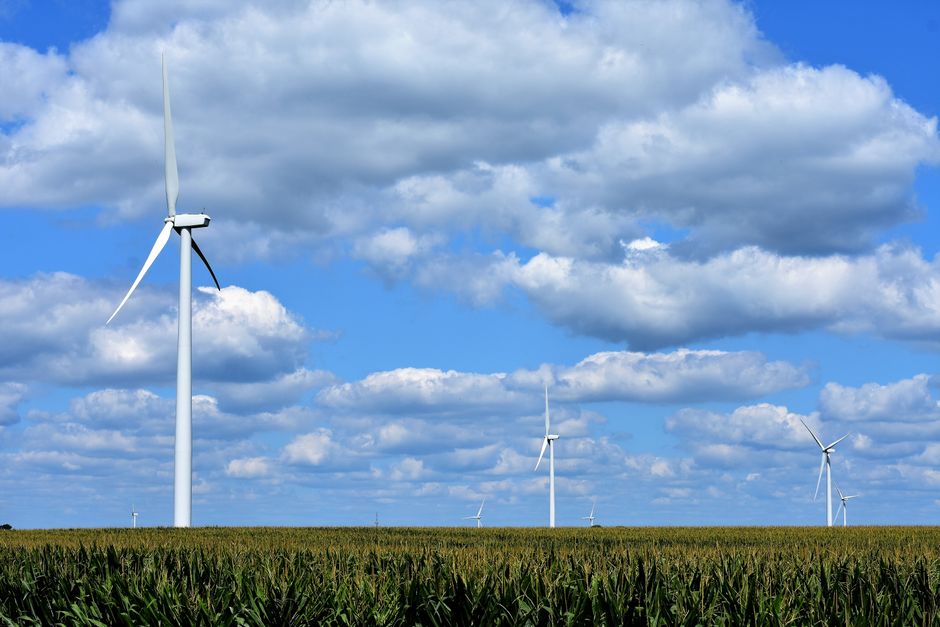
The heartland’s burgeoning tech scene extends into critical emerging sectors, including biotechnology, renewable energy, and cybersecurity. Universities across the Midwest, such as the University of Illinois Urbana-Champaign, Purdue University, and the University of Wisconsin-Madison, are recognized research powerhouses, attracting federal funding and driving breakthroughs in areas like gene editing, drug discovery, and novel materials. These institutions are actively spinning out startups and collaborating with established companies to commercialize their discoveries, creating a vibrant ecosystem for bioscience innovation. Similarly, the heartland’s vast open spaces and strong industrial base make it an ideal location for the growth of renewable energy technologies, particularly wind and solar power. This expansion necessitates advancements in energy storage solutions, smart grid technology, and the development of new materials for turbine blades and solar panels, all of which involve sophisticated engineering and software development. Cybersecurity, a critical concern across all industries, is also finding a growing presence in the heartland. As more businesses and critical infrastructure become digitized, the demand for skilled cybersecurity professionals increases, leading to the establishment of specialized training programs and research centers in cities like Columbus, Ohio, and St. Louis, Missouri.
The infrastructure supporting this high-tech growth in the heartland is also evolving. While historically lagging behind coastal regions in terms of broadband access, there is a significant and ongoing investment in expanding high-speed internet connectivity across rural and urban areas alike. Public-private partnerships are crucial in bridging this digital divide, ensuring that businesses and individuals have the necessary connectivity to participate in the digital economy. Furthermore, many heartland cities are developing robust innovation districts and co-working spaces, fostering collaboration among startups, established companies, and research institutions. These hubs provide access to mentorship, funding, and a shared intellectual commons, accelerating the pace of innovation. The presence of established corporations with significant R&D budgets also acts as a catalyst, providing opportunities for smaller firms to partner and grow. The cost of doing business, including real estate and labor, often being more competitive in the heartland than in coastal tech hubs, further enhances its appeal for both startups and established companies looking to expand their operations. This economic advantage allows for greater reinvestment in innovation and talent development.
A critical component of the heartland’s high-tech success is its workforce. While concerns about brain drain have historically been present, there is a growing trend of talent returning to or choosing to remain in these regions, attracted by the increasing availability of high-skilled jobs and a more affordable cost of living. Universities are playing a pivotal role in cultivating this talent pipeline through specialized degree programs and research opportunities. Furthermore, there is a strong emphasis on vocational training and apprenticeships, ensuring that the workforce is equipped with the practical skills needed for advanced manufacturing and other technical fields. The region’s strong work ethic and commitment to community are also attractive qualities for many. Companies are actively investing in upskilling and reskilling their existing employees, recognizing the importance of continuous learning in a rapidly evolving technological landscape. This focus on human capital development is a cornerstone of sustainable high-tech growth.
Government initiatives and policy play a significant role in nurturing this heartland tech revolution. State and local governments are actively implementing tax incentives, grant programs, and economic development strategies to attract and retain tech companies. Investment in STEM education, from K-12 through higher education, is a priority, aiming to build a future workforce equipped for the demands of the 21st century. Federal funding for research and development, particularly in areas like advanced manufacturing, agriculture, and clean energy, further bolsters innovation. The creation of specialized economic development zones and innovation corridors incentivizes clustering and collaboration. The recognition that technological advancement is not confined to specific geographic areas is driving policy decisions that support diversification and equitable growth across the nation.
The narrative of the heartland’s technological ascendance is still being written, but the early chapters are compelling. It’s a story of resilience, adaptation, and a forward-looking vision that leverages existing strengths to build a future rich in innovation and economic opportunity. This "unseen revolution" is not only transforming the economic landscape of these regions but is also contributing to a more balanced and robust national technological ecosystem, proving that the heartland is indeed a vital and vibrant engine of America’s technological future. The continued investment in research, infrastructure, and, most importantly, its people, solidifies the heartland’s position as a critical player in the global technological arena, fostering a new era of American innovation.
