
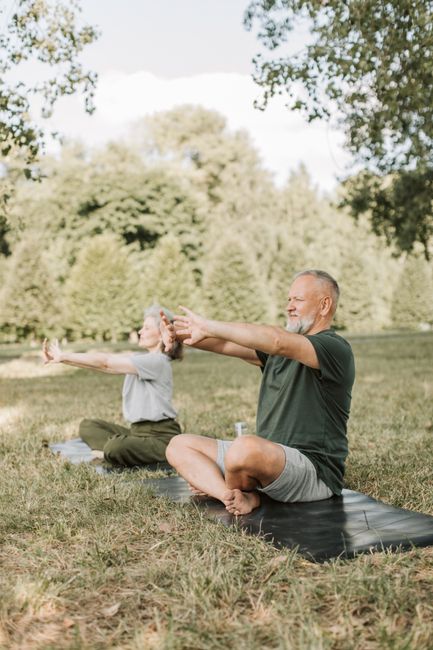
Embrace a Healthier, More Active Lifestyle: Holistic Well-being Tips for a Vibrant Life
Transitioning to a healthier, more active lifestyle is not merely about physical fitness; it’s a comprehensive journey towards holistic well-being, encompassing mental, emotional, and spiritual health. This shift requires intentionality and a multi-faceted approach, integrating sustainable practices into daily routines rather than seeking temporary fixes. The foundation of this transformation lies in understanding that the body, mind, and spirit are interconnected, and nurturing each aspect contributes to an overall sense of vitality and resilience. Prioritizing movement, mindful nutrition, adequate rest, stress management, and meaningful connections forms the bedrock of this holistic model. It’s about cultivating habits that support long-term health, fostering a positive relationship with oneself, and empowering individuals to live a more fulfilling and energetic life. This article delves into actionable strategies and provides a roadmap for individuals seeking to embark on this transformative path, offering practical advice for sustainable change and enhanced quality of life.
Prioritizing Sustainable Movement: Beyond the Gym
The cornerstone of a healthier, more active lifestyle is consistent, enjoyable movement. This extends far beyond structured gym sessions or intense workout regimes. The key is to find activities that genuinely resonate with your preferences and seamlessly integrate into your daily life. Consider incorporating more incidental activity into your day-to-day. This could mean parking further away from your destination, taking the stairs instead of the elevator, or opting for a brisk walk during your lunch break. These seemingly small actions accumulate and contribute significantly to your overall activity levels. For those who find traditional exercise daunting, exploring diverse forms of movement is crucial. Dancing, gardening, hiking, swimming, cycling, or even engaging in active hobbies like martial arts or team sports can provide both physical benefits and mental enjoyment. The objective is to make movement a source of pleasure, not a chore.
To foster sustainability, start with manageable goals. If you’re new to exercise, begin with short, frequent sessions, gradually increasing duration and intensity as your fitness improves. Listen to your body; rest and recovery are as vital as the activity itself. Overtraining can lead to burnout and injury, hindering long-term progress. Cross-training, incorporating a variety of activities, can help prevent overuse injuries and engage different muscle groups, leading to more balanced physical development. Beyond the physical, movement has profound mental health benefits. Regular exercise releases endorphins, natural mood boosters that can alleviate stress, anxiety, and symptoms of depression. It improves cognitive function, enhances memory, and promotes better sleep quality. When seeking to embrace a healthier lifestyle, view movement as an investment in your overall well-being, a powerful tool for both physical vitality and mental clarity.
Mindful Nutrition: Fueling Your Body and Mind
A healthier lifestyle is intrinsically linked to mindful nutrition, focusing on consuming whole, nutrient-dense foods that nourish the body and support optimal functioning. This isn’t about restrictive dieting or eliminating entire food groups unnecessarily; it’s about making conscious, informed choices about what you eat and how it makes you feel. Prioritize a diet rich in fruits, vegetables, lean proteins, whole grains, and healthy fats. These foods provide essential vitamins, minerals, and antioxidants that are crucial for cellular repair, energy production, and immune system support. Understanding the concept of macronutrients (carbohydrates, proteins, and fats) and micronutrients (vitamins and minerals) is beneficial for creating balanced meals.
Hydration is another critical, often overlooked, aspect of mindful nutrition. Water plays a vital role in numerous bodily functions, including digestion, nutrient transport, temperature regulation, and waste removal. Aim for adequate water intake throughout the day, adjusting based on activity levels and climate. Beyond the quantity of food, pay attention to the quality and preparation methods. Opt for cooking methods like steaming, baking, grilling, or stir-frying over deep-frying, which can add unhealthy fats. Be mindful of processed foods, sugary drinks, and excessive saturated and trans fats, which can contribute to inflammation and chronic diseases.
Cultivating mindful eating practices is equally important. This involves paying attention to hunger and fullness cues, savoring each bite, and eating without distractions. When you eat mindfully, you’re more likely to recognize when you’re satisfied, preventing overeating. It also fosters a greater appreciation for your food. Consider meal planning and preparation as proactive steps towards healthier eating. Having nutritious meals and snacks readily available can significantly reduce the temptation to reach for less healthy options. Educating yourself about nutrition and understanding how different foods impact your energy levels and overall health empowers you to make better choices and integrate sustainable dietary habits into your active lifestyle.
Prioritizing Rest and Recovery: The Unsung Heroes of Well-being
In the pursuit of a healthier, more active lifestyle, the importance of rest and recovery is frequently underestimated, yet it is absolutely paramount. Adequate sleep is not a luxury; it is a biological necessity that underpins physical repair, cognitive function, and emotional regulation. During sleep, the body engages in crucial restorative processes, including muscle repair, tissue growth, and hormone production. Chronic sleep deprivation weakens the immune system, impairs concentration, reduces physical performance, and can exacerbate stress and anxiety. Aim for seven to nine hours of quality sleep per night. Establishing a consistent sleep schedule, creating a relaxing bedtime routine, and optimizing your sleep environment (dark, quiet, and cool) can significantly improve sleep quality.
Beyond sleep, active recovery plays a vital role. This involves engaging in low-intensity activities on rest days that promote blood flow and muscle recovery without causing further stress. Examples include gentle stretching, yoga, foam rolling, or light walking. These practices help to alleviate muscle soreness, improve flexibility, and prepare your body for subsequent workouts. Listening to your body’s signals is crucial; recognize when you need to rest and avoid pushing yourself too hard, especially if you experience pain or excessive fatigue.
Stress management techniques are also integral to the recovery process, as chronic stress can negatively impact sleep and hinder the body’s ability to repair itself. Incorporating practices like meditation, deep breathing exercises, spending time in nature, or engaging in hobbies that bring you joy can effectively reduce stress levels. Prioritizing rest and recovery is not a sign of weakness but a strategic approach to optimizing your physical and mental performance, ensuring that your efforts towards a healthier, more active lifestyle are sustainable and lead to lasting well-being.
Cultivating Mental and Emotional Resilience: The Power of Mindfulness and Connection
A truly holistic approach to a healthier, more active lifestyle must encompass mental and emotional well-being. The mind and body are inextricably linked, and nurturing one profoundly impacts the other. Mindfulness, the practice of paying attention to the present moment without judgment, is a powerful tool for enhancing mental clarity, reducing stress, and fostering emotional regulation. Simple mindfulness techniques, such as focused breathing exercises, body scans, or mindful observation of your surroundings, can be integrated into daily life. These practices train your brain to become less reactive to stressors and more appreciative of the present experience.
Meditation, a more formal practice of mindfulness, has been scientifically proven to reduce anxiety, improve focus, and promote a sense of inner peace. Even a few minutes of daily meditation can yield significant benefits. Journaling is another effective method for processing thoughts and emotions. By writing down your feelings, concerns, and accomplishments, you gain a clearer perspective and can identify patterns in your thoughts and behaviors.
Crucially, strong social connections are fundamental to mental and emotional resilience. Humans are inherently social beings, and meaningful relationships provide support, reduce feelings of isolation, and contribute to a greater sense of belonging. Actively nurturing existing relationships and seeking out new connections through social groups, volunteer work, or community events can significantly enhance your overall well-being. Engaging in activities with others, whether it’s a group hike, a dance class, or simply sharing a meal, not only promotes physical activity but also strengthens bonds and provides opportunities for shared experiences. Prioritizing your mental and emotional health is not separate from physical activity; it is an integral part of a truly vibrant and sustainable healthier lifestyle.
Setting Realistic Goals and Tracking Progress: The Journey of Continuous Improvement
Embarking on a healthier, more active lifestyle is a journey, not a destination, and setting realistic goals is crucial for sustained motivation and success. Avoid the trap of overwhelming yourself with drastic changes that are difficult to maintain. Instead, break down your aspirations into smaller, achievable milestones. For example, instead of aiming to run a marathon next month, start with the goal of walking for 30 minutes three times a week. Celebrate each small victory along the way; acknowledging your progress, no matter how minor, reinforces positive behavior and builds momentum.
Tracking your progress provides valuable insights and helps you stay accountable. This can be done in various ways. Physical activity can be tracked using fitness trackers, apps, or a simple journal where you record your workouts, duration, intensity, and how you felt afterward. For nutrition, you might keep a food diary, noting what you eat, when you eat, and any noticeable effects on your energy levels or mood. Beyond quantifiable metrics, pay attention to subjective improvements. Are you sleeping better? Do you have more energy? Is your mood more stable? These qualitative changes are often the most significant indicators of progress.
Regularly reviewing your goals and progress allows for adjustments. Life circumstances change, and what works today might need to be modified tomorrow. Be flexible and adapt your plan as needed. This iterative process of setting, tracking, and adjusting fosters a sense of ownership and empowers you to take control of your health. It also helps to identify potential obstacles and develop strategies to overcome them. The ultimate goal is to cultivate habits that become an intrinsic part of your life, leading to long-term, sustainable well-being and a more vibrant, active existence.

