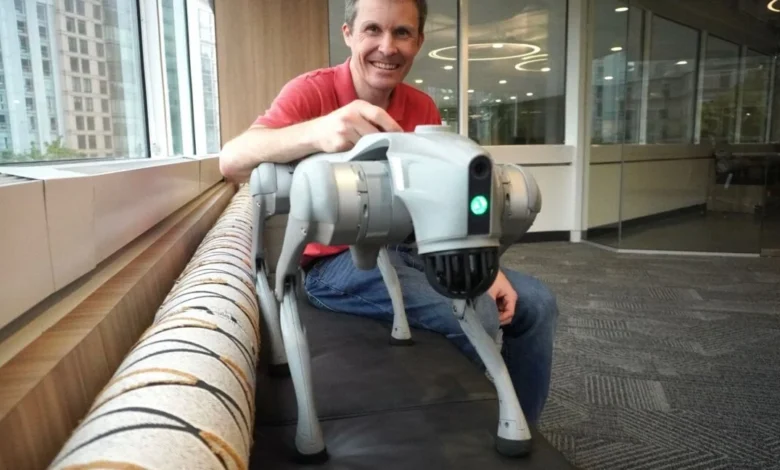
The landscape of personal and industrial robotics underwent a seismic shift over the past decade, largely propelled by the meteoric rise of Chinese robotics firm Unitree. Originally recognized for pioneering affordable quadruped locomotion, the company has successfully expanded its footprint into the burgeoning humanoid robotics market. This rapid evolution has challenged legacy robotics institutions, driven down hardware costs drastically, and ignited intense regulatory scrutiny from Western governments wary of emerging technological dependencies.
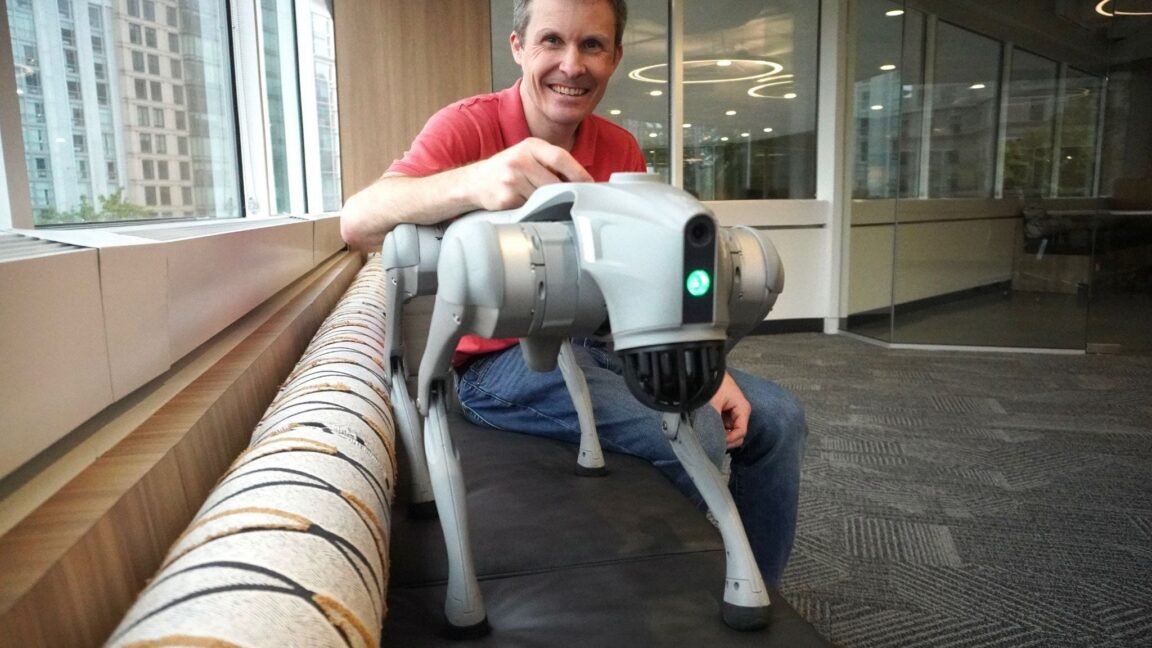
The Rise of Affordable Quadruped Robotics
For years, advanced legged robotics remained strictly within the purview of elite academic research institutions and heavily funded defense contractors. Early quadruped systems, exemplified by heavy hydraulic platforms like Boston Dynamics’ BigDog and WildCat, were notoriously loud, power-hungry, and prohibitively expensive. Even subsequent electric models, such as Boston Dynamics’ commercial Spot robot, launched with price tags starting around $75,000, placing them far out of reach for everyday consumers, small businesses, and standard research facilities.
The turning point for the industry arrived with the emergence of Unitree, founded in May 2016 by Wang Xingxing following the development of his master’s thesis project, the XDog. Wang aimed to make quadruped robots smaller, simpler, and significantly cheaper so they could serve ordinary users. Beginning with research-focused platforms like the Laikago in 2017 and AlienGo in 2019, Unitree systematically undercut existing market rates.
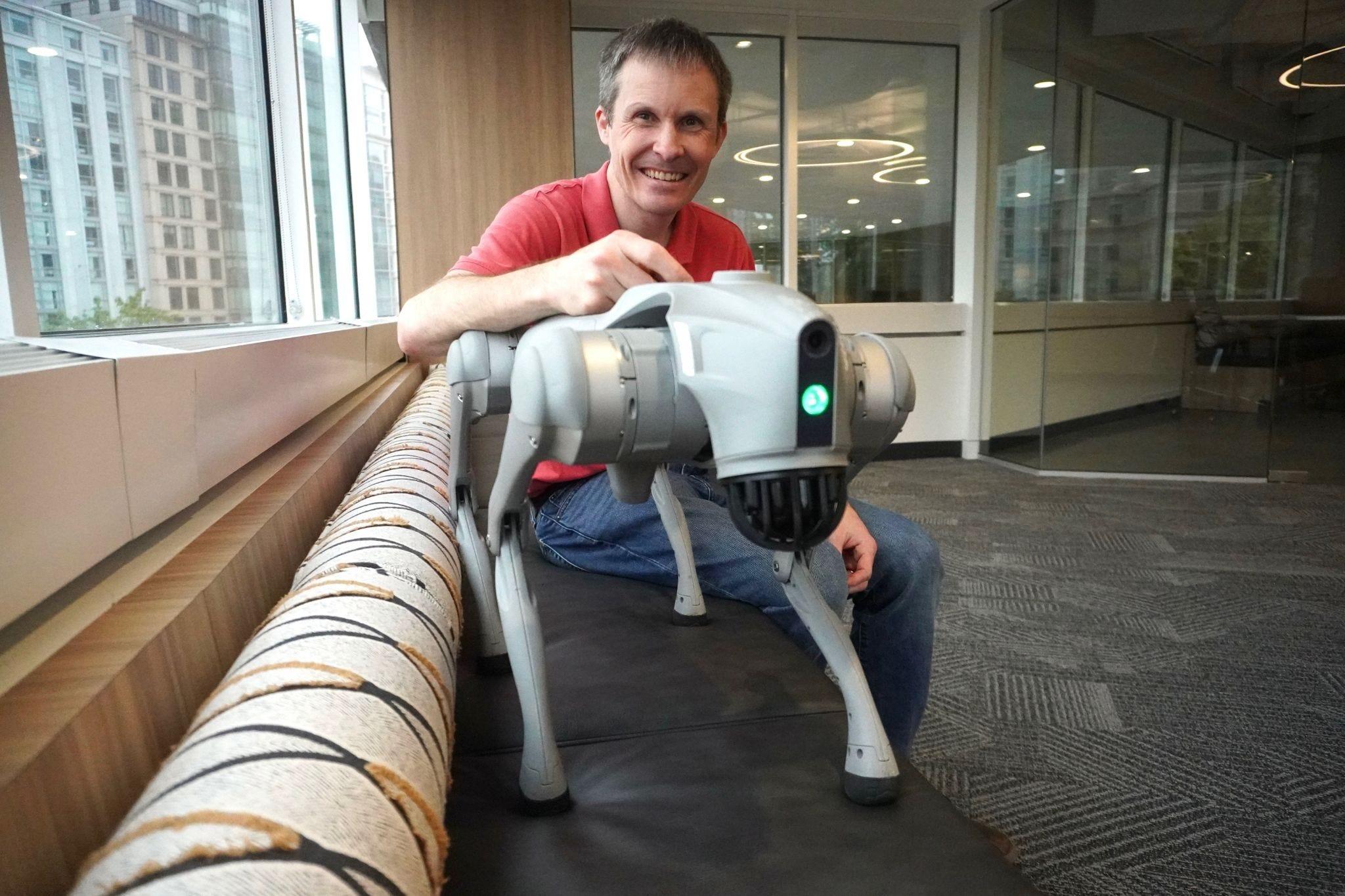
By introducing the Go1 line in 2021 and subsequently the Go2 in 2023—with consumer-grade models priced as low as $1,600 to $2,800—Unitree effectively democratized quadruped research. Academic laboratories that previously could afford only a single high-end platform were suddenly able to acquire fleets of four-legged units for comparative testing and software development.
Engineering Strategies and Cost Reduction
Unitree’s ability to drastically reduce production costs stems from both innovative hardware design choices and substantial structural support from the Chinese manufacturing ecosystem. Traditional industrial robotics rely heavily on complex, high-ratio gear reducers—such as 51:1 gearboxes—to magnify motor torque while maintaining extreme precision. While effective, these specialized components are expensive and introduce mechanical rigidity that limits backdriveability.

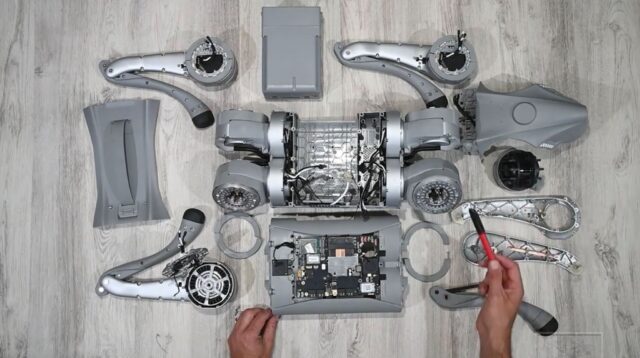
In contrast, Unitree adopted a counterintuitive engineering philosophy: utilizing powerful, standardized motors combined with lower gear ratios, such as a 6.33-to-1 gearbox. By relying on robust software control loops to dynamically compensate for hardware imprecision, the company eliminated the need for costly high-ratio reducers. Furthermore, Unitree maximized part commonality across its platforms, such as employing twelve identical motors across a quadruped’s four legs. This standardization streamlined supply chains, reduced individual part counts, and simplified field maintenance, allowing operators to swap out damaged limbs in under a minute.
Industry analysts have noted that these hardware economies of scale were further accelerated by favorable domestic industrial policies in China. Public institutional procurement, tax incentives, and a tightly integrated domestic supply chain allowed Unitree to bring core components—including in-house motors, gearboxes, LiDAR sensors, and cameras—production-ready at a fraction of Western manufacturing costs. According to market research from firms like SemiAnalysis, Unitree’s self-produced actuators can run as low as 30 to 40 percent of equivalent Western components.

Transitioning from Quadrupeds to Humanoids
Capitalizing on its supply chain maturity and engineering expertise in quadruped actuators, Unitree made a strategic pivot into the humanoid robotics sector. In 2023, the company debuted its first humanoid, the H1, quickly followed by the more advanced and economically disruptive G1 model in 2024.
While humanoids require significantly greater mechanical complexity—requiring upwards of 23 individual motors across the torso, arms, and legs to achieve stable bipedal movement—Unitree leveraged its existing motor-design framework to slash prices. Consumer-grade iterations of the G1 entered the market starting at approximately $13,500, with research-grade EDU variants priced near $50,000.
This aggressive pricing strategy triggered explosive financial growth. Financial disclosures connected to Unitree’s August public debut on the Shanghai stock market revealed that humanoid robot sales rapidly overtook quadruped revenue. By 2025, humanoids accounted for 51 percent of the company’s total revenue, jumping from RMB 107 million ($16 million) in 2024 to RMB 867 million ($129 million)—an eightfold year-over-year increase. On its initial trading day on August 19, Unitree shares surged more than fivefold, cementing a post-IPO market valuation exceeding $34 billion.
Market Parallels and Practical Limitations
Despite impressive financial valuations and viral marketing demonstrations showcasing backflips, handstands, and stair-climbing maneuvers, consumer-grade legged robots still face considerable practical limitations. Field testing of platforms like the Go2 Pro highlights persistent software bugs, occasional overheating during strenuous uphill navigation in high temperatures, and limited utility for everyday household chores due to the absence of manipulative arm appendages. As wheeled robots and flying drones remain superior for deliveries and aerial surveying, quadruped utility has largely remained bounded to academic research, entertainment, and specialized inspection tasks.

Nevertheless, industry experts draw direct parallels between Unitree’s trajectory and the rise of DJI in the global consumer drone market a decade prior. Much like DJI’s early Phantom drones—which arrived with limited battery life and rudimentary features but fundamentally disrupted aerial photography by undercutting traditional helicopter costs—Unitree has prioritized market penetration and cost reduction over immediate polish. The resulting economic flywheel—where higher sales volumes fund manufacturing optimization, component in-housing, and software refinement—has positioned the company as a dominant global hardware force.
Geopolitical Implications and Regulatory Backlash
Unitree’s rapid ascent has alarmed policymakers in Washington and other Western capitals, echoing broader economic anxieties surrounding critical hardware supply chains and artificial intelligence infrastructure. Because the company’s commercial expansion coincides with increasing integration between commercial tech sectors and state industrial policy in China, Western governments have moved swiftly to insulate domestic markets.
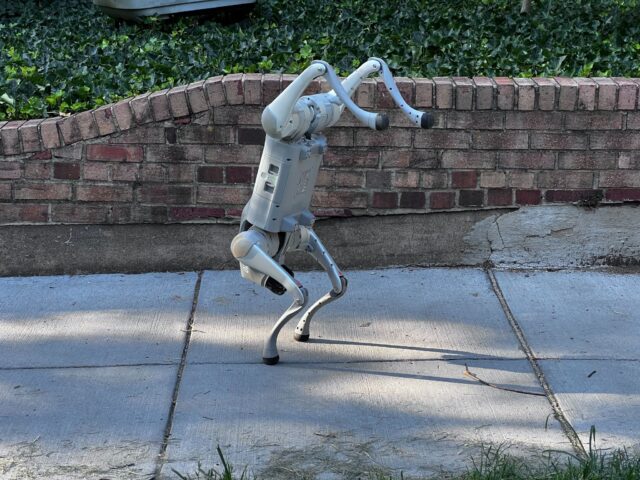
In June, a bipartisan group in the United States House of Representatives introduced targeted legislation aimed at restricting the importation of foreign-origin robots, explicitly naming Unitree in accompanying congressional briefings. Shortly thereafter, the Federal Communications Commission (FCC) introduced sweeping regulatory frameworks targeting foreign-made robotics and power inverters to safeguard domestic AI supply chains.
These regulatory measures mirror policies previously deployed against Chinese electric vehicle manufacturers and telecommunications firms. However, international market analysts caution that restrictive trade policies risk fracturing the global robotics sector. While Western markets may successfully insulate themselves through import bans, Chinese robotics firms continue to capture substantial market share across Europe, Asia, and the Global South. Consequently, industry observers warn that protectionist policies risk transforming Western robotics industries into isolated backwaters should foreign competitors continue to innovate and scale unhindered on the international stage.