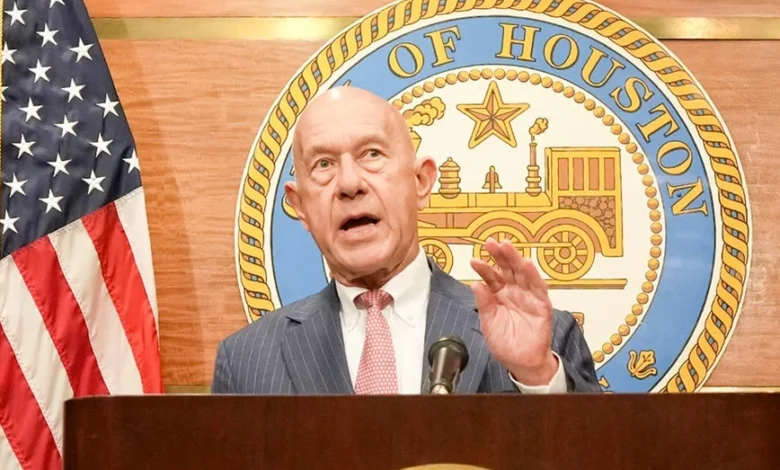
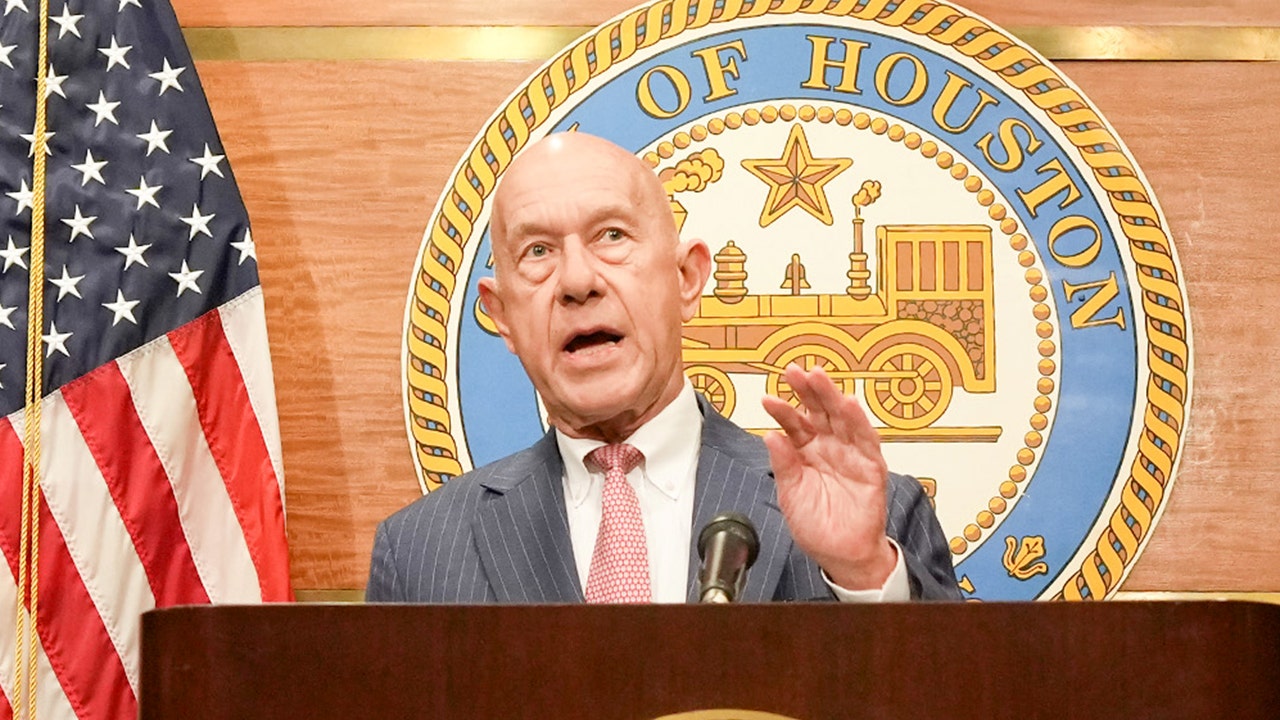
In a significant policy pivot that underscores the dramatic transformation of the Texas political landscape, Houston Mayor John Whitmire announced on Friday that the city will move to curtail cooperation with federal immigration authorities. This decision marks a sharp departure from the stringent mandates previously imposed by the state government and signals a new era of municipal autonomy following a seismic election that ended decades of Republican dominance in the Lone Star State.
The policy shift comes just days after a historic "blue wave" swept through Texas, resulting in the defeat of incumbent Republican Governor Greg Abbott and the election of Senator-elect James Talarico. The political realignment represents the first time in nearly four decades that the state has shifted toward a Democratic majority, fundamentally altering the power dynamics between Austin and its largest municipalities.
The New Directive: A Shift in Policing Priorities
Under the new directive issued by Mayor Whitmire, the Houston Police Department (HPD) is no longer permitted to notify U.S. Immigration and Customs Enforcement (ICE) when officers encounter undocumented immigrants during routine, nonviolent interactions, such as traffic stops or minor ordinance violations.
Whitmire, who previously navigated a precarious middle ground between local law enforcement needs and state mandates, stated that the policy is intended to foster trust and reduce anxiety within immigrant communities. "I have signed an executive order directing HPD to no longer contact ICE for nonviolent offenses, helping reduce fear in our communities," Whitmire said in a formal statement. "This is a step toward building a stronger Houston. It is a more effective and responsible policy."
The mayor clarified that the city would continue to cooperate with federal authorities in cases involving serious criminal activity. "If they are charged with a new crime, we will let ICE know as we get them to the jailhouse," he noted, distinguishing between minor administrative infractions and criminal charges.
A Timeline of Conflict: The Tug-of-War Over Immigration
The relationship between Houston’s city leadership and the Texas state government regarding immigration has been characterized by intense friction over the past eighteen months.
In early 2024, the Houston City Council moved to limit the amount of time HPD officers could detain individuals while awaiting federal agents. That ordinance was met with immediate hostility from the state. Governor Greg Abbott, citing his executive authority, threatened to withhold over $100 million in state funding from the city, arguing that such policies undermined public safety and state sovereignty. Simultaneously, Texas Attorney General Ken Paxton initiated a formal investigation into the city’s immigration protocols.
Faced with the prospect of a massive budgetary shortfall and legal challenges, Mayor Whitmire and Police Chief Noe Diaz opted for a compromise in the spring of 2024. They implemented a policy that required a sergeant to oversee any involvement with ICE and established a strict 30-minute window for federal agents to arrive at a scene before the detainee was released.
The latest reversal, however, moves the goalposts back toward the city’s original intent. By restricting ICE notifications to "jailable offenses," the administration is effectively neutralizing the state’s pressure to use municipal resources for federal immigration enforcement. While Governor-elect Gina Hinojosa is not scheduled to assume office until January, political analysts view Whitmire’s announcement as a preemptive move to establish a new operational standard for the state’s largest urban center.
Federal Response and the Public Safety Debate
The federal government’s reaction to the policy change has been one of sharp disapproval. A spokesperson for the Department of Homeland Security (DHS) characterized the move as a setback for national security and law enforcement coordination.
"We remain disappointed that sanctuary-style policies seek to limit cooperation with ICE," the DHS representative said. "Our law enforcement officers are simply fulfilling their sworn duties to serve and protect. Partnerships with local law enforcement are critical to having the resources we need to arrest criminal illegal aliens across the country."
The federal agency highlighted the inherent risks of limiting cooperation, pointing to specific cases involving individuals apprehended in Houston. These cases include Alexander Montano, a Cuban national with prior convictions for homicide and burglary; Ding Nguyen, a Vietnamese national convicted of homicide; and Julio Camey, a Guatemalan national convicted of a sex offense against a minor. DHS officials argue that when local police are barred from notifying federal agents, these individuals are more likely to be released back into the community, increasing the risk of recidivism.
Conversely, proponents of the mayor’s policy, including immigrant advocacy groups and local civil rights leaders, argue that the "chilling effect" of mandatory ICE cooperation prevents victims of crime from reporting incidents to the police. They contend that by separating immigration enforcement from local policing, the city can better ensure that all residents, regardless of legal status, are willing to engage with law enforcement to maintain public order.
Statistical Context: The Scope of Enforcement
Data regarding ICE enforcement in urban environments often reveals a complex interplay between federal and local agencies. According to recent reports, seven of the top ten safest cities in the United States maintain some form of cooperative agreement with federal immigration authorities, a statistic frequently cited by opponents of sanctuary policies to suggest that cooperation is a key component of public safety.
However, the efficacy of these partnerships is often debated. In Houston, the fourth-largest city in the United States, the sheer volume of daily police-citizen encounters makes the logistical burden of ICE notification significant. Critics of the previous state-mandated cooperation argue that HPD resources are better spent addressing violent crime, property theft, and traffic safety rather than acting as a force multiplier for federal immigration officials.
Broader Implications for Texas Politics
The shift in Houston’s policy is symptomatic of a broader ideological realignment in Texas. With the election of a Democratic governor and the flipping of a key Senate seat, the state is entering a period where local and state priorities are likely to clash with increasing frequency.
The transition from a Republican-led state government to one controlled by Democrats—led by Governor-elect Hinojosa—is expected to bring a host of changes to how Texas handles the border crisis, public health, and urban infrastructure. However, the immediate impact is most visible in the executive actions of city leaders like Whitmire, who are moving quickly to align their municipal policies with the incoming state administration’s platform.
Political observers note that this "blue wave" in a former GOP stronghold represents a generational shift. Senator-elect James Talarico, who represents this change, was born well after the last time a Democrat held his seat, symbolizing the end of a long-standing political era. For Houston, the policy change is not just about immigration; it is a manifestation of a city asserting its own legislative identity against the backdrop of a state that is rapidly becoming a battleground for competing visions of governance.
Looking Ahead
As Mayor Whitmire prepares for the transition to the new state administration, the legal standing of his executive order remains a point of interest. While Governor Abbott’s previous threats of funding cuts held significant weight, the legal and political landscape will change drastically in January.
The Houston City Council and the Mayor’s office are expected to face ongoing scrutiny from conservative lawmakers who remain committed to the previous policy of total cooperation. Nevertheless, for the time being, the directive stands as a defining moment in the city’s approach to the federal-local partnership, placing Houston at the center of the ongoing national debate over the limits of local power in the face of federal immigration mandates.
For the residents of Houston, the policy change promises a significant shift in daily life, particularly for immigrant families who have long navigated the tension between local police presence and the threat of deportation. Whether this policy will indeed lead to a "stronger, safer Houston" remains the core question that will define the success or failure of Mayor Whitmire’s latest executive action in the coming months.