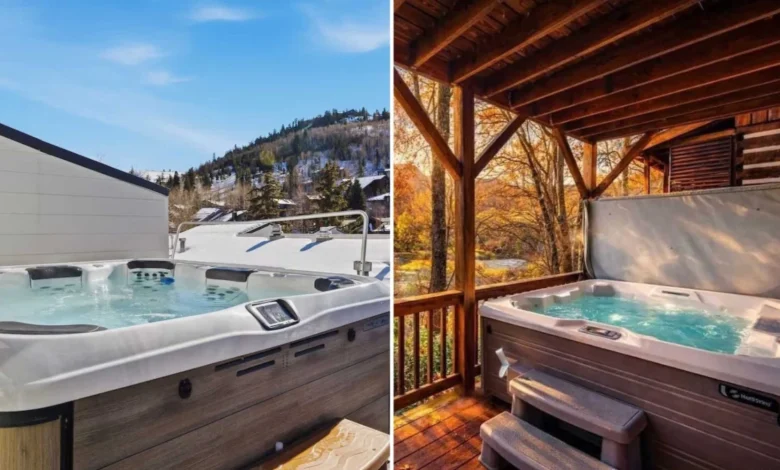
While frequent flyers often engage in spirited debates over the merits of window versus aisle seating or the logistical complexities of organizing group vacations, a rare consensus exists regarding the universal appeal of a hot tub. In the contemporary landscape of vacation rentals, this single amenity has evolved from a simple luxury into a defining factor that distinguishes standard accommodations from exceptional retreats. Whether utilized to invigorate the senses with a morning soak in the crisp mountain air or to soothe fatigued muscles following a day of exploration, the hydrotherapeutic feature remains a seasonal staple for travelers across the United States.
Recent hospitality data underscores a profound shift in consumer preferences within the short-term rental market. Following years of fluctuating travel restrictions and shifting lifestyle habits, travelers are placing an unprecedented premium on wellness-oriented amenities. Properties equipped with private hot tubs, saunas, and immersive outdoor spaces command significantly higher occupancy rates and longer average lengths of stay compared to their conventional counterparts. Industry analysts attribute this trend to a collective desire for decompression, as consumers increasingly seek out domestic escapes designed to reset the nervous system and foster genuine connection among friends and family.
The Evolution of the Amenity-Driven Vacation Rental Market
The trajectory of the vacation rental industry over the past decade reflects a transition toward experiential lodging. Historically, travelers prioritized basic utility—proximity to urban centers or ski slopes, bedroom counts, and standard kitchen facilities. However, the maturation of platforms like Airbnb and Vrbo, coupled with heightened expectations fostered by boutique hotel standards, has transformed the baseline requirements for competitive listings.
Property owners and real estate investors have responded by integrating high-end wellness infrastructure into rural and suburban properties alike. The inclusion of a custom hot tub is no longer viewed merely as an aesthetic upgrade; it is a calculated business investment. According to hospitality management studies, listings featuring outdoor hydrotherapy tubs experience a marked surge in off-season bookings. While summer months traditionally dominate the travel economy, properties in regions such as the Blue Ridge Mountains, the Oregon coast, and the Texas Hill Country report robust winter and shoulder-season occupancy directly driven by travelers seeking the juxtaposition of cold ambient temperatures and steaming thermal waters.
To curate a definitive portfolio of these premier destinations, industry experts evaluate properties through a rigorous framework. Selection criteria encompass verified Superhost or Premier Host status, consistently high guest review scores, exceptional architectural decor, pristine cleanliness ratings, and strategic geographic positioning. The resulting collection spans diverse ecosystems, offering travelers a spectrum of backdrops against which to experience the therapeutic benefits of a private hot tub.
Geographic Diversity and Ecosystems of Relaxation
The appeal of the modern vacation rental lies heavily in its environment, allowing guests to tailor their restorative getaways to specific climatic preferences and landscapes.
The Mountain Air of the Blue Ridge and Smoky Mountains
In the southeastern and mid-Atlantic regions, properties tucked into the elevated terrain of Tennessee and the Blue Ridge Mountains offer a traditional cabin aesthetic elevated by modern luxury. These rentals are engineered to blend seamlessly into dense forest canopies. Guests waking up to the mist-laden valleys of the Great Smoky Mountains often find that private decks equipped with sunken hot tubs provide an optimal vantage point for wildlife observation and quiet contemplation. Real estate data from mountain destination markets indicates a steady climb in property values for cabins featuring unobstructed mountain views paired with high-capacity outdoor spas.
Coastal Panoramas Along the Pacific Northwest
Moving westward, the rugged geography of coastal Oregon presents an entirely different sensory experience. Glassy beach houses perched above the Pacific Ocean trade dense forestry for dramatic seascapes. In these wind-swept environments, the hot tub serves as a vital thermal buffer. Travelers braving the brisk coastal gales can immerse themselves in heated water while watching winter storms roll across the horizon. This architectural integration of indoor-outdoor living spaces highlights a broader trend in Pacific Northwest design, where structural glass and natural cedar create a seamless transition between the built environment and the untamed coastline.
Desert Stillness and Hill Country Vistas
For travelers seeking expansive horizons and profound quiet, the deserts of New Mexico and the sprawling expanses of Texas Hill Country offer vast open spaces. In New Mexico, desert properties capitalize on the stillness and unobstructed stargazing afforded by low light pollution. Conversely, the Texas Hill Country provides a rolling landscape characterized by live oak trees and local vineyards. Properties in these regions frequently incorporate stock-tank-style or custom concrete hot tubs that complement the vernacular architecture of the American Southwest.
Industry Standards and the Vetting Process
The proliferation of online listings has necessitated rigorous curation by travel journalists and industry platforms to ensure quality and reliability. When vetting properties for premium collections, evaluators cross-reference quantitative data with qualitative guest feedback.
Key performance indicators include response rates from hosts, adherence to local safety and sanitation regulations regarding water treatment, and the structural integrity of the outdoor decks supporting heavy water loads. Furthermore, interior aesthetics—ranging from mid-century modern furnishings in Oregon to rustic chic decor in Tennessee—play a critical role in determining a property’s overall market appeal.
Industry stakeholders emphasize that guest expectations have evolved beyond basic cleanliness. Modern travelers expect smart-home integrations, seamless check-in processes, and meticulous maintenance schedules, particularly for complex amenities like hot tubs, which require consistent chemical balancing and mechanical oversight.
Economic and Sociological Implications of Wellness Travel
The sustained demand for wellness-centric domestic travel carries notable economic implications for rural and semi-rural communities. As urban populations seek refuge in remote locales, local economies benefit from increased visitor spending at regional farmers’ markets, outdoor recreation outfitters, and independent dining establishments.
From a sociological perspective, the popularity of group rentals featuring communal amenities like hot tubs points to changing vacation habits. Rather than opting for traditional resort hotels where interactions are siloed, travelers are increasingly pooling resources to rent entire homes. This communal model encourages shared culinary experiences, extended conversations, and collective relaxation. The hot tub functions as a natural social hub—a decentralized gathering space that facilitates interpersonal connection away from the digital distractions of daily life.
As the vacation rental sector continues to adapt to shifting consumer demands, properties that successfully merge natural beauty with restorative amenities will remain at the forefront of the industry. Whether situated beneath the sprawling stars of the Southwest or amid the misty peaks of the East Coast, the private hot tub has secured its place as the ultimate emblem of modern leisure and rejuvenation.