The midterms have concluded, but for the corridors of Capitol Hill, the political season is far from over. As the dust settles on a cycle that saw dramatic shifts in the balance of power, Washington is currently gripped by a period of intense internal consolidation. Both parties are engaged in high-stakes maneuvering to determine the leadership structures that will guide the House and Senate as they navigate an incoming administration and a redefined legislative landscape.
The Landscape of Internal Leadership Elections
In the wake of the recent elections, the focus has shifted from campaigning to the selection of party leadership. For House Republicans, the transition is marked by uncertainty. House Speaker Mike Johnson, R-La., has definitively ruled out a run for the minority leader post, signaling a potential turning point for the party’s direction in the House. This decision has cleared the field for a contest between House Majority Leader Steve Scalise, R-La., and Rep. Jim Jordan, R-Ohio, both of whom have positioned themselves as key figures within the Republican caucus.
The situation is further complicated by the ideological rifts within the GOP. With both Scalise and Jordan maintaining strong ties to President Trump, there is a faction within the party that is quietly exploring avenues to pivot toward a new generation of leadership, hoping to move beyond the Trump-centric policies that have dominated the last four years. Meanwhile, House Majority Whip Tom Emmer, R-Minn., is seeking to retain his position, though he faces a stiff challenge from Rep. August Pfluger, R-Texas.
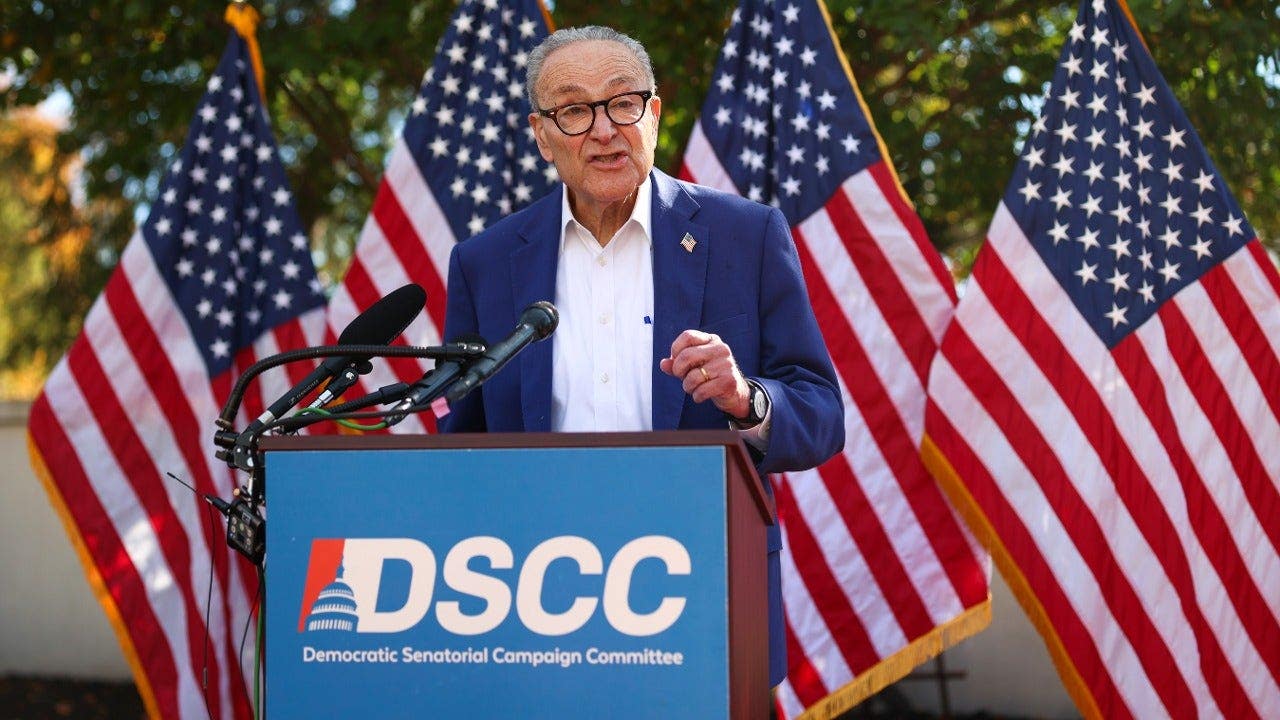
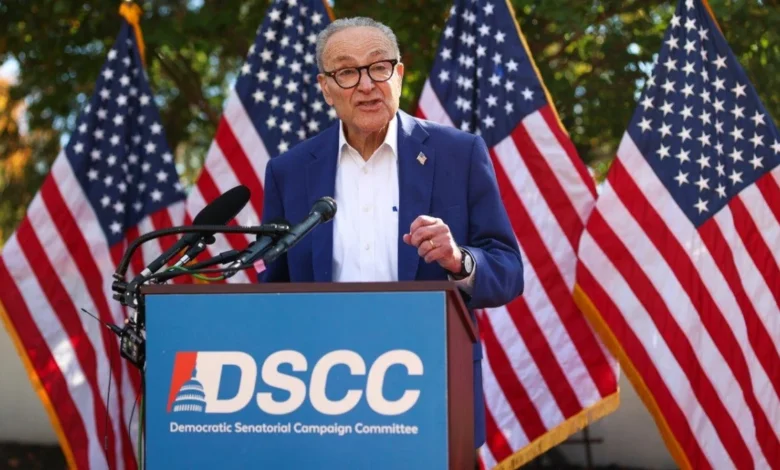
On the other side of the aisle, Democratic leadership appears more stable but is not without its own internal tensions. Despite a strong performance in the midterms, Senate Majority Leader Chuck Schumer, D-N.Y., and House Minority Leader Hakeem Jeffries, D-N.Y., are facing pushback from an increasingly emboldened progressive wing.
Progressive Dissent and the Future of the Democratic Agenda
The progressive wing of the Democratic Party is demanding a seat at the table, using their leverage to press for significant policy concessions. Several incoming lawmakers have voiced reservations about the current leadership’s alignment with party centrists. Sen.-elect Abdul El-Sayed of Michigan has been particularly vocal, repeatedly declining to commit his support to Schumer for Majority Leader. El-Sayed has framed his hesitation around specific policy goals, including removing money from politics, increasing personal wealth for working-class Americans, and passing a Medicare-for-All legislative package.
This sentiment is echoed by other newcomers, such as Sen.-elect Adam Hamilton of Kansas and Sen.-elect Troy Jackson of Maine, who have signaled that the party is ready for a generational shift. While Schumer has expressed confidence that he will retain his position, the public dissent highlights the pressure on leadership to balance the demands of the party’s left flank with the necessity of maintaining a unified front. In the House, at least five members of the Democratic Socialists of America (DSA) have indicated they may withhold their support for Hakeem Jeffries unless they receive firm commitments on a progressive policy agenda. Given that the House will require 218 votes for the speakership, these defections—while currently manageable given the Democratic seat count—nonetheless underscore the fragility of the coalition.
A Legislative Agenda in Transition
The legislative priorities for the coming term reflect a departure from the previous status quo. Unlike the 1994 "Contract with America," which provided a clear, unified roadmap for the GOP, the current Democratic agenda is a multifaceted effort to address economic concerns, healthcare stability, and the burgeoning challenge of artificial intelligence.

A primary focus for Democrats will be the reversal of recent fiscal policies implemented under the Trump administration. Lawmakers like Sen.-elect Juliana Stratton of Illinois have emphasized the need to roll back specific budget cuts that they argue have negatively impacted the social safety net. Furthermore, the renewal of Obamacare subsidies remains a central pillar of the Democratic platform. The debate over these subsidies was a defining feature of the previous session, culminating in a record-breaking 43-day government shutdown. Leadership views the resolution of this issue as both a policy imperative and a political necessity to distinguish the party’s platform from that of their opponents.
The AI Challenge and Economic Policy
Beyond healthcare, the rapid advancement of artificial intelligence and its impact on the labor market has moved to the forefront of congressional concern. Rep. Greg Casar, D-Texas, chairman of the Progressive Caucus, has described the current anxiety surrounding data centers and AI automation as the "initial tremors of an earthquake" that will redefine American politics. There is a growing consensus among Democrats that the government must intervene to protect American jobs from the displacement caused by automation, a move that is expected to lead to a flurry of regulatory proposals in the coming months.
Economic policy is also dominated by the debate over trade and tariffs. The recent election cycle saw widespread criticism of the existing tariff regime, which many Democrats argue has contributed to inflationary pressures on groceries and fuel. Rep. Greg Stanton of Arizona has been among those calling for a reversal of these policies, labeling the current approach "irrational and self-defeating." While some Republicans continue to defend the tariff structure as a necessary component of the party’s broader economic strategy, there is evidence of mounting pressure to re-evaluate these measures as fiscal realities shift.
Numerical Realities and the Veto Threshold
The legislative success of the next two years will be dictated by simple arithmetic. With Democrats potentially controlling more than 260 seats in the House and holding a firm majority in the Senate, the party has a significant—though not absolute—advantage.

The threshold for overriding a presidential veto remains a daunting hurdle. To bypass the president, the House requires a two-thirds majority of 290 votes, while the Senate requires 67. While Democrats are in a strong position, they will still need to peel off a significant number of Republican votes to achieve these margins. The departure of several prominent GOP figures who were often at odds with the former president, including Mitch McConnell of Kentucky and John Cornyn of Texas, may create a vacuum in the Senate that could either facilitate more bipartisan cooperation or lead to a more rigid party-line opposition.
Chronology of the Transition
- November 4, 2026: Midterm election results confirm a strong showing for the Democratic Party, significantly altering the legislative makeup of both chambers.
- Late November 2026: Initial leadership maneuvering begins as House Republicans assess the future of their caucus following the Speaker’s refusal to pursue the minority leader role.
- Early December 2026: Progressive members of the House and Senate begin public discussions regarding their conditions for supporting party leadership.
- January 3, 2027: The new Congress is scheduled to convene, at which point the official votes for Speaker and other leadership positions will take place.
The Path Forward: Implications and Analysis
The current environment on Capitol Hill represents a critical juncture for both parties. For the Republicans, the challenge is one of identity: they must decide whether to continue their alignment with the previous administration’s populist agenda or attempt a pivot toward a new platform that might appeal to a broader cross-section of the electorate. For the Democrats, the task is to maintain the cohesion of a broad coalition that includes both moderate and progressive wings, while simultaneously delivering on the economic promises that were central to their electoral success.
The effectiveness of this Congress will ultimately hinge on the interplay between legislative ambition and executive power. As President Trump prepares to leverage the veto pen, the ability of Democratic leadership to build consensus—not just within their own ranks, but across the aisle—will be tested. Whether through the regulation of emerging technologies, the adjustment of international trade policies, or the stabilization of the healthcare sector, the legislative actions of the next two years will have profound implications for the nation’s economic and social trajectory.
As the calendar turns toward the new year, the focus will remain on these internal dynamics. The political reality is that while the campaigns have ended, the true work of governance is only just beginning. The ability of both chambers to function will depend on whether leadership can reconcile the competing interests of their members and forge a path that addresses the concerns of the American public in an era of heightened political polarization.