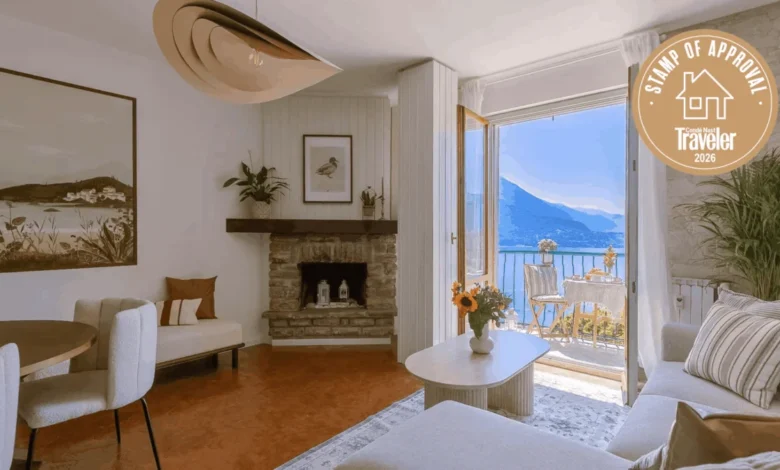
Lake Como has long occupied a rarefied space in the global tourism market, frequently cited as one of Europe’s premier luxury destinations. Traditionally associated with grand historic hotels, elite clientele, and celebrity estates, the region’s accommodation sector has undergone a significant structural shift in recent years. The rise of peer-to-peer vacation rental platforms has expanded access beyond the historic lakefront grand hotels, allowing travelers to embed themselves deeper into the region’s hillside communities. This decentralization of tourism was recently highlighted during a multi-day family excursion to Perledo, a quiet village situated in the mountains above Varenna, demonstrating how alternative lodging options are reshaping modern Italian travel itineraries.
The Shift Toward Experiential and Hillside Lodging
The modern travel landscape increasingly favors accommodations that reflect local architectural heritage over standardized luxury. Industry data indicates a growing consumer preference for properties featuring distinct regional character, particularly in heritage destinations across Southern Europe. Rather than opting for contemporary or minimalist designs common in urban business hotels, a segment of travelers actively seeks out vernacular architecture—properties defined by traditional tile flooring, earthy color palettes, and integration with the surrounding natural topography.
This trend was central to the recent booking of a hillside rental in Perledo. Selected to commemorate a milestone birthday, the property offered an alternative to the high-density tourism hubs found in central Como and Bellagio. Perledo, perched high above the eastern shore of Lake Como, provides an elevated vantage point with panoramic views of the water and surrounding Alpine peaks, functioning as a quieter residential counterpart to the bustling ferry towns below.
Chronology of the Journey and Regional Logistics
The itinerary began with a seven-day preliminary stay in Sardinia, followed by a multi-modal transit sequence involving a domestic flight, regional bus, local train, and a taxi ascent into the Lombardy mountains. Navigating Lake Como’s steep geography without a personal vehicle presents logistical challenges, particularly regarding parking availability during peak summer travel periods in August—a peak month for European domestic and international tourism.
Advance coordination with the property host, Giulia, established a framework for localized transit management. Because rental car logistics in the narrow hillside corridors can be restrictive, relying on local transit networks and designated municipal services proved essential. A key component of Perledo’s regional infrastructure is the Perledo Night Bus, a complimentary municipal shuttle operating from 7 p.m. to midnight. This service bridges the geographical gap between the mountain village and Varenna’s lakeside ferry terminals, mitigating the safety hazards of navigating unlit, steep mountain paths on foot after dark.
Local Commerce and Micro-Tourism Integration
The economic impact of alternative lodging extends beyond the property boundaries, directly involving neighborhood commerce. In Perledo, establishments such as Bar Milano serve dual functions as community social hubs and logistical waypoints for visitors. Local businesses capture tourist spending traditionally concentrated in high-end resort centers, distributing economic benefits more evenly across the hillside municipality.
Daily routines in Perledo contrast sharply with the fast-paced tourism of lower-altitude hubs. Visitors engaging with local bakeries, historic fountains, and community shrines experience a slower cadence of Italian daily life. This integration into residential micro-communities offers a counterweight to over-tourism in primary hotspots like Bellagio’s Salita Serbelloni, where centuries-old family businesses—such as century-old artisanal shops—operate alongside high-traffic tourist corridors.
Broader Economic and Tourism Implications
The expansion of vacation rentals into historically residential villages like Perledo raises broader questions regarding destination management and community sustainability in Lake Como. Local municipalities across the Lombardy region have increasingly had to balance the economic advantages of short-term rentals against housing availability for permanent residents and the strain on local infrastructure, such as water management and waste disposal.
Despite these regulatory and infrastructural challenges, the demand for authentic, residential-style travel remains robust. Properties that offer proximity to major attractions while maintaining distance from dense crowds provide a viable model for sustainable tourism dispersal. By utilizing municipal transit systems and supporting neighborhood commerce, visitors contribute to the economic viability of peripheral towns, ensuring that the benefits of Lake Como’s booming tourism economy reach beyond the immediate lakefront enclaves.