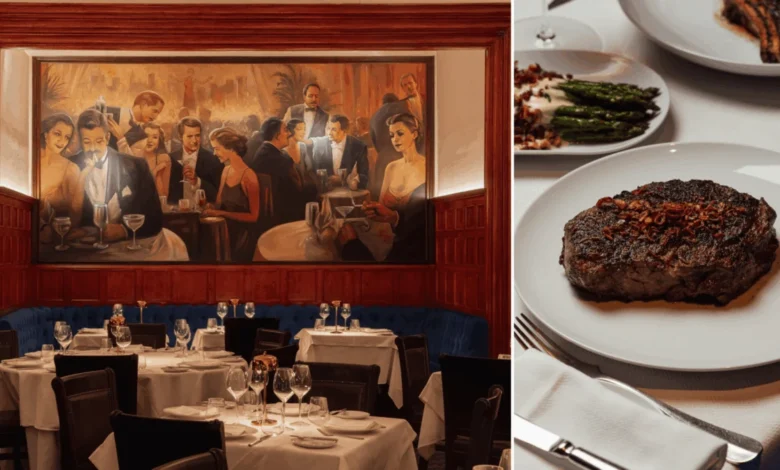
New York City’s culinary landscape has long been defined by its fiercely loyal relationship with the classic American steakhouse. While gastronomes frequently debate which establishment reigns supreme, culinary historians and local experts generally agree that no single venue can claim absolute dominance over the city’s carnivorous crown. Instead, the five boroughs boast a diverse ecosystem of beef-centric establishments, each carving out a distinct niche through unique preparation methods, historic atmospheres, and evolving cultural interpretations.
From the wood-paneled taverns of Midtown Manhattan that have weathered a century of economic shifts to boundary-pushing contemporary venues infusing global flavors into the traditional meat-and-potatoes blueprint, the New York steakhouse remains a dynamic pillar of the city’s hospitality sector.
The Historic Vanguard: Pillars of Tradition
To understand the modern New York steakhouse, one must examine the legacy institutions that established the genre’s baseline expectations. Venues such as Keens Steakhouse and Gallaghers in Midtown, Delmonico’s in the Financial District, and Peter Luger in Williamsburg, Brooklyn, have operated for well over a century. These historic establishments share a distinct architectural and atmospheric vocabulary: dimly lit dining rooms, heavy oak-paneled walls, vintage memorabilia, and a palpable sense of old-world New York glamour.
The operational philosophy of these century-old venues is rooted in consistency. Menus change little, if at all, across decades. Patrons return generation after generation for dry-aged porterhouses, creamed spinach, massive shrimp cocktails, and classic side dishes delivered by career waiters whose service style balances old-school professionalism with dry wit.
According to hospitality industry data, these legacy brands continue to command high volume despite rising beef prices and shifting consumer demographics. Their longevity is not merely a product of nostalgia, but of rigorous quality control, proprietary aging processes, and an unwavering commitment to a specific dining ritual. Eating at a classic New York steakhouse is designed to make the diner feel anchored in history, enveloped in an aura of power and tradition that transcends the food itself.
The Chronology of Beef: A Historical Timeline of NYC Steakhouses
- 1827: Delmonico’s opens its doors in Lower Manhattan, widely credited as the first fine-dining restaurant in the United States and the birthplace of the Delmonico steak.
- 1885: Keens Steakhouse is founded in the Herald Square district, eventually accumulating the world’s largest collection of clay tavern pipes, historically smoked by patrons including Theodore Roosevelt and Babe Ruth.
- 1887: Peter Luger begins operations in Williamsburg, Brooklyn, evolving from a modest bowling alley and billiard hall into a legendary, cash-only temple of dry-aged beef.
- 1927: Gallaghers opens on West 52nd Street, breaking industry norms at the time by being one of the first steakhouses to welcome women as equal patrons and showcasing its meat aging room directly to the street.
- Late 20th Century to Present: A wave of modern steakhouse groups—ranging from Wolfgang’s and BLT Prime to globally inspired newcomers—begins redefining the genre by merging classic American cuts with international culinary techniques.
The New Guard: Cultural Innovation and Global Influences
While the traditionalists hold fast to their heritage, a new and evolving guard of restaurateurs is reshaping the genre. These contemporary steakhouses take the fundamental assignment—premium red meat paired with traditional side dishes served in a formal dining room—and run with it in various cultural directions.
Rather than strictly mimicking the dark-wood aesthetic of mid-century Manhattan, modern operators are incorporating elements of global cuisines, modern architecture, and shifting dietary awareness. Diners now encounter establishments that merge the high-end American steakhouse model with elements of Japanese izakayas, Latin American parillas, and Korean barbecue culture. Wagyu and Kobe beef hold equal footing on menus alongside domestic prime cuts, while side dishes are frequently elevated with international spices, local seasonal produce, and contemporary plating techniques.
This cultural diversification reflects broader demographic shifts within New York City and the global tourism market. Modern diners, particularly younger generations such as Millennials and Gen Z, demand flexibility, experiential dining, and narrative-driven culinary concepts. Consequently, contemporary steakhouses focus heavily on sourcing transparency, sustainability, and cross-cultural flavor profiles while maintaining the core theatrical element of high-end beef service.
Economic Realities and Industry Challenges
Operating a premier steakhouse in New York City requires navigating significant economic hurdles. In recent years, restaurateurs have faced escalating costs across multiple operational vectors:
- Beef Sourcing and Inflation: Wholesale beef prices have experienced sustained volatility due to supply chain disruptions, feed grain costs, and environmental pressures on cattle ranching. Sourcing USDA Prime or certified imported Wagyu demands substantial capital.
- Labor and Real Estate: High commercial rents in prime Manhattan and Brooklyn neighborhoods, coupled with rising minimum wage requirements and labor shortages, place immense pressure on profit margins.
- Regulatory Compliance: New York City’s stringent health, safety, and environmental regulations—including evolving mandates on commercial waste, energy consumption, and ventilation systems for indoor charcoal and wood-burning grills—require continuous capital investment.
Despite these challenges, demand for high-end dining remains resilient. According to economic impact studies of New York City’s tourism and hospitality sectors, fine dining establishments generate billions of dollars annually and support tens of thousands of jobs, ranging from agricultural suppliers and butchers to front-of-house staff and culinary management.
Official Responses and Industry Perspectives
Representatives from both historic and contemporary dining establishments emphasize that the enduring appeal of the New York steakhouse lies in its psychological and emotional resonance.
A spokesperson for a prominent Midtown legacy institution noted, "People do not come to a historic steakhouse simply to consume calories. They come for a sense of occasion. In a world that changes at a dizzying digital pace, stepping into a room with wood-paneled walls that have absorbed a century of conversations provides an anchor of stability and importance."
Conversely, proponents of the modern steakhouse movement argue that evolution is essential for survival. A leading restaurateur who recently opened a globally influenced steakhouse in Lower Manhattan stated, "Respecting the heritage of the New York steakhouse does not mean trapping it in amber. We honor the craft of butchery and the tradition of hospitality, but we express it through a lens that reflects today’s global palate. Diners want exceptional beef, but they also want excitement, creativity, and inclusivity."
Broader Impact and Implications for the Culinary Landscape
The duality between the historic vanguard and the cultural innovators underscores a broader trend within urban American dining: the tension between preservation and progression. As New York City continues to evolve architecturally and culturally, its culinary landmarks serve as cultural touchstones.
The successful coexistence of establishments like Keens and Peter Luger alongside modern, globally-infused steakhouses demonstrates that consumer appetite for premium red meat remains robust, provided the dining experience delivers emotional resonance. Ultimately, whether a diner seeks the comforting predictability of a century-old chop house or the adventurous fusion of a contemporary beef-centric menu, the New York steakhouse continues to fulfill its ultimate objective: making every guest feel important, valued, and immersed in a uniquely metropolitan ritual.