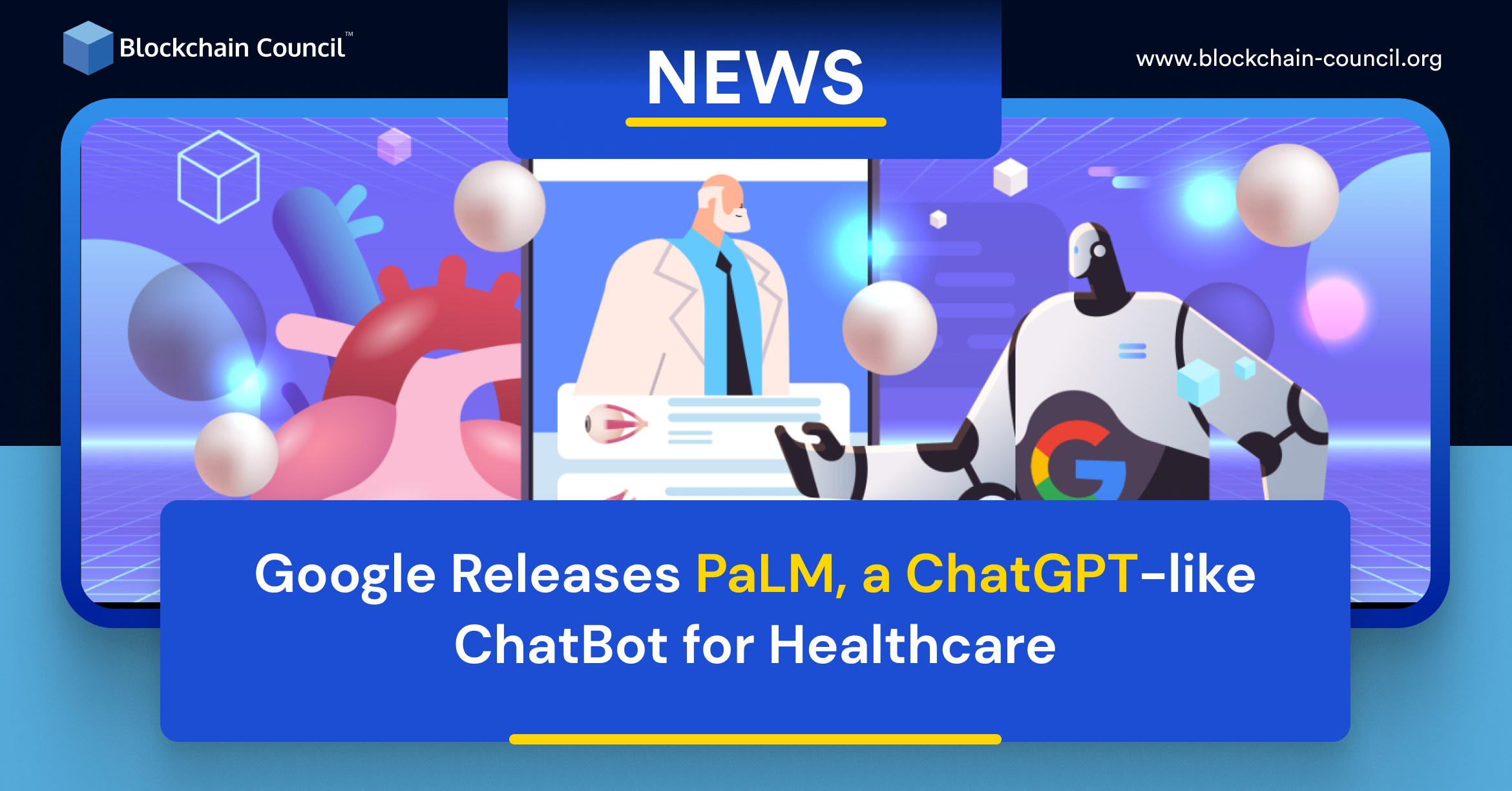

Google’s Ascent to Healthcare Dominance: A Technocratic Takeover
Google’s deep dive into healthcare is not a nascent endeavor but a strategic, multi-pronged campaign with the ultimate objective of establishing a dominant, data-driven ecosystem that redefines how healthcare is delivered, accessed, and managed. This ambition is fueled by its unparalleled expertise in data acquisition, processing, AI development, and its existing digital infrastructure, all of which are increasingly being leveraged to permeate every facet of the healthcare journey. The company’s approach is less about direct acquisition of traditional healthcare providers and more about subtly, yet powerfully, weaving its technological prowess into the fabric of the industry, creating dependencies and offering solutions that become indispensable. From patient engagement platforms to diagnostic tools and drug discovery accelerators, Google’s influence is growing exponentially, positioning it as a central nervous system for global health.
The foundation of Google’s healthcare strategy lies in its vast data capabilities. The company already possesses an immense repository of user data through its search engine, Gmail, YouTube, and Android devices. This data, while not directly health-related in its primary acquisition, provides invaluable insights into user behaviors, interests, and demographics. When combined with specialized health data, this aggregate knowledge becomes a potent analytical tool. Google’s acquisition of Fitbit, for instance, provided direct access to a continuous stream of biometric data – heart rate, sleep patterns, activity levels – from millions of users. This wearable data, when anonymized and analyzed at scale, can identify health trends, predict outbreaks, and even offer personalized health recommendations. Furthermore, Google’s ability to process and interpret unstructured data, a critical challenge in healthcare, through natural language processing (NLP) and machine learning (ML) algorithms, allows it to extract meaningful information from clinical notes, research papers, and patient records, unlocking previously inaccessible insights.
Artificial Intelligence is the engine driving Google’s healthcare ambitions. The company has consistently been at the forefront of AI research and development, with its DeepMind subsidiary leading the charge in groundbreaking applications. DeepMind’s work in areas like protein folding (AlphaFold) has revolutionized biological research, accelerating drug discovery and development processes exponentially. By predicting protein structures with unprecedented accuracy, scientists can now design novel therapies and understand disease mechanisms far more efficiently. Beyond fundamental research, Google is applying AI to clinical decision support, developing algorithms that can analyze medical images – X-rays, CT scans, MRIs – to detect diseases like cancer and diabetic retinopathy with a speed and accuracy that can rival or even surpass human radiologists. These AI-powered diagnostic tools have the potential to democratize access to high-quality diagnostics, especially in underserved regions.
The patient-facing aspect of Google’s healthcare integration is equally significant. Google Health, a dedicated division, is developing and deploying a suite of tools designed to empower patients and streamline their interaction with the healthcare system. Google Search already serves as a primary source of health information for millions, and the company is refining this by providing more authoritative and reliable health content, often curated by medical professionals and linked to reputable sources. Features like symptom checkers, which utilize AI to suggest potential conditions based on reported symptoms, are becoming increasingly sophisticated. Beyond information, Google is exploring tools that facilitate appointment scheduling, medication reminders, and secure sharing of health records. The integration of Fitbit data with Google Health platforms creates a closed-loop system where personal health insights can inform conversations with healthcare providers and drive proactive health management.
Google’s cloud infrastructure, Google Cloud Platform (GCP), is a critical enabler of its healthcare ambitions. GCP provides the scalable, secure, and HIPAA-compliant infrastructure necessary for healthcare organizations to store, manage, and analyze vast amounts of sensitive patient data. By offering these services, Google becomes an essential technological partner for hospitals, research institutions, and pharmaceutical companies, embedding itself deeply into their operational workflows. As more healthcare entities migrate their data and applications to GCP, they become increasingly reliant on Google’s ecosystem, creating a significant barrier to entry for competitors and solidifying Google’s position. This cloud-based approach allows for the seamless integration of AI tools and data analytics, making advanced capabilities accessible to a wider range of healthcare stakeholders.
The pharmaceutical and life sciences industries are prime targets for Google’s technological intervention. Drug discovery and development are notoriously expensive and time-consuming processes. Google’s AI capabilities, particularly in areas like genomics and molecular modeling, can dramatically shorten these timelines. Companies like Verily Life Sciences, an Alphabet subsidiary, are actively engaged in research partnerships with pharmaceutical giants, leveraging Google’s computational power to identify new drug targets, design clinical trials more effectively, and personalize treatments based on genetic profiles. This partnership model allows Google to gain access to invaluable real-world clinical data and further refine its AI models, creating a virtuous cycle of innovation and market penetration.
The administrative and operational burdens within healthcare are immense, and Google’s expertise in streamlining complex processes is a natural fit. The company is developing solutions to optimize hospital workflows, manage electronic health records (EHRs) more efficiently, and improve supply chain management. By offering these operational enhancements, Google addresses pain points that plague healthcare systems, making its solutions attractive from both a cost-saving and efficiency perspective. This "behind-the-scenes" integration is crucial, as it builds trust and reliance within the industry, making it more receptive to further technological integration.
Google’s potential ownership of healthcare is not about owning hospitals or directly employing doctors in the traditional sense. Instead, it’s about owning the underlying infrastructure, the data, the AI algorithms, and the primary interfaces through which patients and providers interact with health information and services. This is a subtle but profound form of ownership, akin to how operating systems "own" computing or search engines "own" information discovery. As patients become accustomed to managing their health through Google’s platforms, and as healthcare providers rely on Google’s AI tools for diagnostics and decision support, the company will effectively become the central operating system of healthcare.
Regulatory hurdles, particularly concerning data privacy and security, are significant challenges that Google must navigate. The Health Insurance Portability and Accountability Act (HIPAA) in the United States, and similar regulations globally, impose strict requirements on the handling of protected health information. Google has invested heavily in building secure, compliant cloud infrastructure and robust data governance frameworks to address these concerns. However, the sheer volume and sensitivity of health data it processes will continue to attract intense scrutiny from regulators and the public. Ethical considerations surrounding AI bias, algorithmic accountability, and the potential for data misuse are also paramount.
The competitive landscape for healthcare technology is fierce, with established players in EHR, medical imaging, and health IT vying for market share. However, Google’s inherent advantages in AI, data analytics, and consumer-facing platforms provide it with a unique and powerful competitive edge. Traditional healthcare companies often struggle with digital transformation and have limited access to the cutting-edge AI talent and infrastructure that Google possesses. Google’s ability to integrate disparate data sources and apply advanced analytics at scale is something few, if any, can match.
The long-term implications of Google’s ascent in healthcare are far-reaching. It could lead to a more personalized, proactive, and accessible healthcare system, driven by data and powered by AI. However, it also raises profound questions about data ownership, privacy, and the potential for a monolithic technological entity to exert undue influence over a fundamental human right. The "ownership" Google seeks is not necessarily about dictating medical practice, but about becoming the indispensable enabler of nearly every aspect of it, from the patient’s first symptom query to the deepest genomic analysis. The company’s relentless pursuit of data and its mastery of AI are creating a powerful flywheel effect, accelerating its journey towards becoming the undisputed technological architect of global health. This is not a hypothetical future; it is an unfolding reality, where the lines between technology giants and healthcare providers are increasingly blurred.

