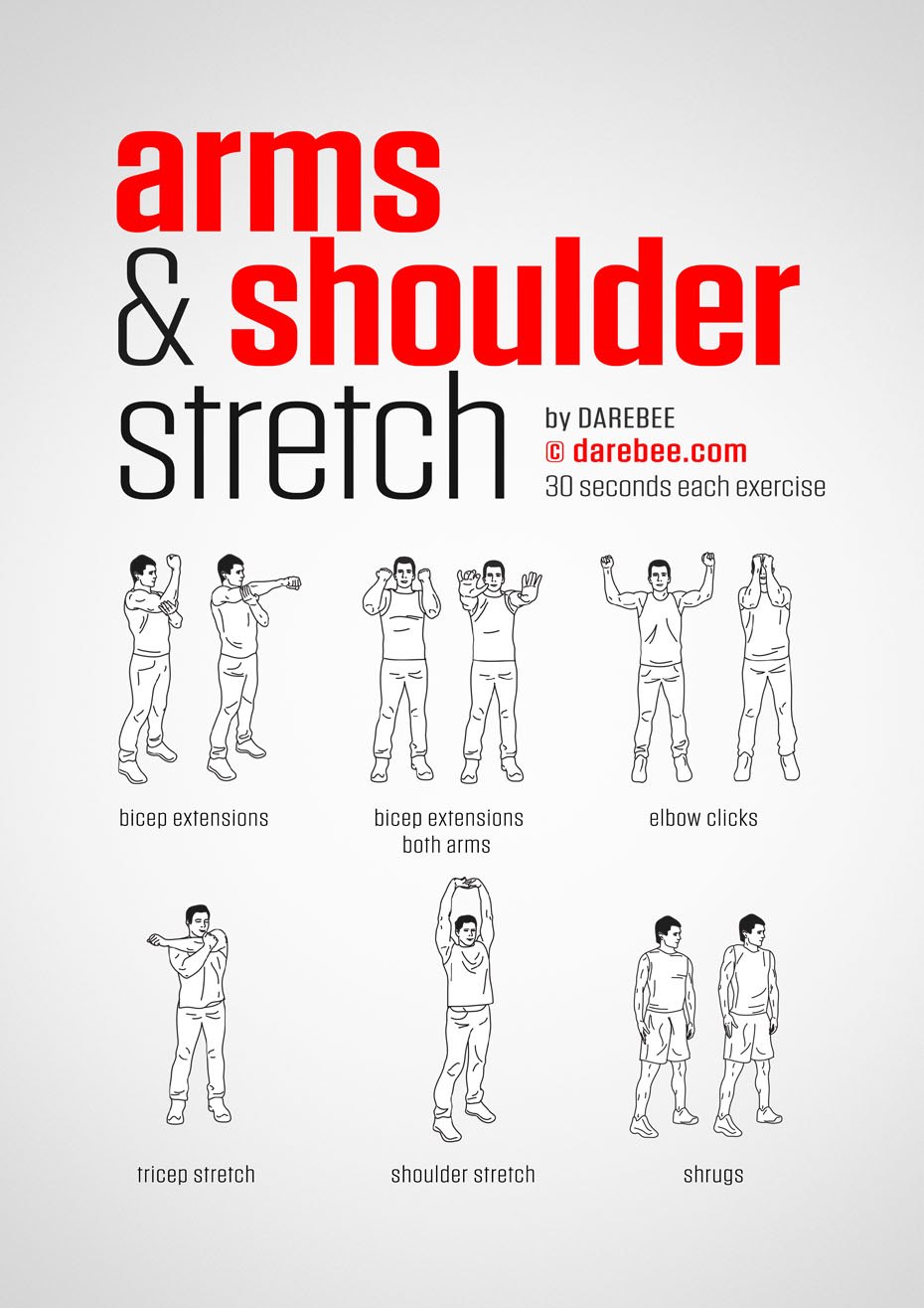

Arm Activation: Unlock Your Upper Body Potential Before Every Workout
Optimizing upper body performance necessitates a dedicated pre-workout arm activation strategy. This process isn’t merely about performing a few random movements; it’s a scientifically-backed approach to preparing your muscles, nervous system, and joints for the demands of resistance training. Effective arm activation enhances blood flow, increases muscle temperature, improves joint mobility, and primes neural pathways, all contributing to superior strength, power, and injury prevention. Neglecting this crucial step can lead to suboptimal training outcomes, increased risk of strains and tears, and a general feeling of underperformance. This comprehensive guide details essential arm activation techniques, categorizing them by purpose and providing clear instructions for implementation, ensuring you unlock your full upper body potential every time you step into the gym.
The primary goal of arm activation is to increase blood flow to the target muscle groups, including the biceps, triceps, deltoids, forearms, and rotator cuff muscles. Enhanced circulation delivers vital oxygen and nutrients while facilitating the removal of metabolic byproducts. This "priming" of the muscles makes them more pliable, responsive, and capable of generating force. Think of it as warming up a car engine on a cold day; it needs a few minutes to reach optimal operating temperature before it can perform at its peak. Similarly, your arm muscles require a specific stimulus to prepare them for the intense contractions and eccentric loads of weightlifting. This increased blood flow also contributes to a subtle increase in muscle temperature, which further enhances tissue elasticity and reduces the likelihood of microscopic tears. The sensation of a "pump" during activation, while not the ultimate goal, is a positive indicator that blood is efficiently reaching the muscles.
Beyond localized blood flow, arm activation plays a critical role in preparing the nervous system. The central nervous system (CNS) controls muscle recruitment and coordination. Pre-workout activation signals the CNS to increase the firing rate of motor neurons, essentially telling your muscles to "wake up" and be ready for action. This neurological priming improves intermuscular coordination, allowing for smoother and more efficient execution of complex movements. It also enhances proprioception, your body’s awareness of its position in space, which is crucial for maintaining proper form and preventing unexpected joint movements. A well-activated nervous system leads to better muscle engagement, meaning you’ll be able to recruit a greater percentage of your muscle fibers during your main lifts, translating directly into greater strength and hypertrophy.
Joint health and mobility are paramount for injury prevention and long-term training success. The shoulder joint, in particular, is a highly mobile but inherently unstable structure. Arm activation exercises that focus on controlled, dynamic movements prepare the shoulder capsule, rotator cuff muscles, and surrounding connective tissues for the stresses of overhead presses, bench presses, and pulling movements. These exercises help to lubricate the joint, improve the range of motion in a safe and controlled manner, and activate the smaller stabilizing muscles that often get overlooked. By dedicating time to shoulder mobility and rotator cuff activation, you significantly reduce the risk of impingement, rotator cuff tears, and other common shoulder injuries that can derail your training progress.
The selection of arm activation exercises should be tailored to the specific demands of your upcoming workout. If you’re focusing on heavy pressing movements like bench press or overhead press, your activation should prioritize shoulder stability, thoracic mobility, and a gentle warming of the chest and triceps. Conversely, if your workout involves significant pulling exercises like pull-ups or rows, your focus should shift to scapular retraction, upper back activation, and a subtle priming of the biceps and forearms. It’s not a one-size-fits-all approach; thoughtful selection ensures maximum benefit.
Dynamic Warm-up for Arms: Enhancing Blood Flow and Mobility
Dynamic warm-up exercises involve controlled, fluid movements that take your joints through their full range of motion. These are generally performed at a moderate intensity and focus on preparing the muscles and joints for the upcoming stresses.
-
Arm Circles (Forward and Backward): Begin with small circles and gradually increase the diameter as you feel the muscles warm up. Perform 10-15 repetitions in each direction. This classic exercise effectively warms up the shoulder joint and deltoids. Ensure your torso remains relatively stable, allowing the movement to originate from the shoulder.
-
Arm Swings (Across the Body and Overhead): Stand with feet shoulder-width apart. Swing your arms forward and across your chest, then overhead and back down. Alternate the lead arm. Perform 10-15 repetitions in each direction. This movement increases blood flow to the chest, shoulders, and upper back. Focus on a smooth, controlled motion.
-
Shoulder Pass-Throughs: Hold a light resistance band, PVC pipe, or broomstick with a wide grip, hands slightly wider than shoulder-width apart. Keeping your arms straight, bring the object from behind your body to in front of your chest, then overhead, and back behind you. The goal is to move the object behind your back by rotating your shoulders. Perform 10-15 repetitions. This is excellent for improving shoulder mobility and thoracic extension. Adjust your grip width as needed; a wider grip is easier initially.
-
Scapular Push-ups: In a standard push-up position, focus on retracting your shoulder blades together without bending your elbows. Then, protract your shoulder blades apart. This movement isolates scapular control, crucial for shoulder health. Perform 10-15 repetitions.
-
Band Pull-Aparts: Hold a light resistance band with an overhand grip, hands shoulder-width apart. Keeping your arms straight and a slight bend in your elbows, pull the band apart by squeezing your shoulder blades together. Return slowly to the starting position. Perform 10-15 repetitions. This exercise targets the rhomboids and rear deltoids, improving posture and shoulder stability.
-
External and Internal Rotations with a Light Band: Anchor a light resistance band at elbow height. With your elbow bent at 90 degrees and tucked into your side, slowly rotate your forearm outwards (external rotation) and then inwards (internal rotation). Perform 10-15 repetitions on each side. These movements specifically activate and strengthen the rotator cuff muscles, crucial for shoulder stability and injury prevention.
Nervous System Priming for Arms: Enhancing Neural Activation
These exercises focus on recruiting muscle fibers and improving the communication between your brain and your muscles.
-
Light Band Rows: Using a light resistance band anchored in front of you, perform rowing movements, focusing on a strong contraction of the upper back and biceps. Emphasize the squeeze at the peak of the movement. Perform 10-15 repetitions. This simulates pulling motions and primes the muscles involved.
-
Light Band Bicep Curls: With a light resistance band, perform controlled bicep curls. Focus on the mind-muscle connection, feeling the biceps contract and the triceps lengthen eccentrically. Perform 10-15 repetitions.
-
Light Band Triceps Extensions: Anchor a light resistance band overhead. With elbows tucked, extend your forearms downwards, focusing on triceps contraction. Perform 10-15 repetitions.
-
Minute-Long Isometric Holds: At a lighter weight than you would use for your working sets, perform isometric holds for key arm exercises like bicep curls, overhead presses, or triceps pushdowns. Hold for 30-60 seconds, focusing on maintaining tension. This can help build muscular endurance and further prime the nervous system.
Activation for Specific Muscle Groups:
Tailoring your activation to the primary muscle groups you’ll be training that day yields the most significant results.
For Chest and Triceps Focused Workouts (e.g., Bench Press, Overhead Press):
Prioritize shoulder mobility, thoracic extension, and a gentle activation of the pectorals and triceps.
- Thoracic Rotations: Lying on your side with knees bent and stacked, place your top hand on your bottom knee. Reach your top arm towards the ceiling and then rotate your torso to follow your hand. Hold briefly at the peak of the rotation. Perform 8-10 repetitions per side. This improves thoracic spine mobility, which is essential for proper shoulder mechanics during pressing.
- Band Face Pulls: Anchor a resistance band at chest height. Grasp the band with an overhand grip and step back. Pull the band towards your face, aiming to drive your elbows back and squeeze your upper back and rear deltoids. This is excellent for shoulder health and counteracting the forward pull of pressing movements. Perform 10-15 repetitions.
- Light Dumbbell Bench Press or Push-ups: Perform 1-2 sets of 10-15 repetitions with very light weight or bodyweight. This provides a final neuromuscular signal to the chest and triceps without inducing fatigue.
For Back and Biceps Focused Workouts (e.g., Pull-ups, Rows):
Emphasize scapular retraction, upper back engagement, and bicep activation.
- Scapular Pull-ups: Hang from a pull-up bar. Without bending your arms, pull your shoulder blades down and back, lifting your chest slightly. This activates the lats and rhomboids. Perform 8-10 repetitions.
- Band Rows (High and Wide Grip): Anchor a band at a higher position. Perform a rowing motion with a wider grip, focusing on squeezing your upper back muscles. This emphasizes the rhomboids and rear deltoids. Perform 10-15 repetitions.
- Light Dumbbell Rows or Lat Pulldowns: Perform 1-2 sets of 10-15 repetitions with very light weight. This primes the muscles involved in pulling movements.
Rotator Cuff and Shoulder Health:
These exercises are vital for everyone, but especially crucial for individuals with a history of shoulder issues or those performing overhead movements.
- Internal/External Rotation with band: As described in the dynamic warm-up section.
- Sleeper Stretch: Lie on your side with your bottom arm extended straight out, palm down. Gently press your forearm towards the floor using your other hand. Hold for 20-30 seconds per side. This stretches the posterior shoulder capsule.
- I, Y, T, and W raises: With very light weights or no weight at all, perform these movements lying face down on a bench or the floor.
- I: Arms straight down, thumbs up. Raise arms straight overhead.
- Y: Arms angled slightly forward, thumbs up. Raise arms overhead in a "Y" shape.
- T: Arms out to the sides, thumbs up. Raise arms out to a "T" shape.
- W: Arms bent at 90 degrees, elbows at shoulder height, thumbs up. Raise forearms upwards, forming a "W" shape.
Perform 8-10 repetitions of each, focusing on controlled movement and shoulder blade engagement.
Integrating Arm Activation into Your Routine:
A typical arm activation routine should last between 5-10 minutes. It’s best performed after your general full-body warm-up (e.g., light cardio) and before you begin your main lifting sets. Avoid excessive repetitions or heavy weights during activation, as this will lead to fatigue rather than preparation. The goal is to stimulate, not exhaust.
The progression of your arm activation should mirror the progression of your main lifts. As you increase the weight and intensity of your workouts, you may need to slightly increase the intensity or duration of your activation exercises. However, always prioritize proper form and movement quality over simply going through the motions. Listen to your body; if an exercise causes pain, stop immediately and consider an alternative.
Remember that consistency is key. Making arm activation a non-negotiable part of your pre-workout ritual will yield cumulative benefits over time, leading to stronger, healthier, and more resilient arms. By understanding the physiological principles behind activation and implementing a structured, targeted approach, you can unlock your upper body’s true potential and elevate your training to new heights.

