
Mastering Beachy Waves with a Flat Iron: Your Ultimate Guide
Achieving effortless, tousled beachy waves is a highly sought-after hairstyle, and the flat iron, often associated with sleek, straight looks, can be a surprisingly effective tool for creating this coveted texture. This comprehensive guide delves into the techniques, tools, and tips required to transform your hair into a cascade of natural-looking waves using your trusty flat iron, focusing on SEO-friendly keywords and actionable advice. Whether you have fine, thick, long, or short hair, mastering this method will unlock a versatile and chic hairstyle suitable for any occasion.
The key to successful flat iron beachy waves lies in understanding the core principles of heat styling for texture. Unlike traditional straightening, which involves drawing the iron smoothly down the hair shaft, wave creation involves controlled bending and turning of the iron. The goal isn’t to eliminate frizz or create pin-straight strands, but rather to introduce gentle, organic curves that mimic the natural movement of hair after a day at the beach. This involves a combination of precise technique, appropriate heat settings, and the right supporting products.
Before you even plug in your flat iron, preparation is paramount. Start with clean, dry hair. Damp hair can lead to heat damage and prevent the waves from holding their shape. For optimal results and hair protection, apply a heat protectant spray generously throughout your hair. This creates a barrier between your hair strands and the hot plates, minimizing the risk of breakage and dryness. Heat protectants also often contain ingredients that add a slight grip, helping the waves to last longer. For those with finer hair, a volumizing spray or mousse applied at the roots before drying can provide a foundation for fuller waves, while thicker hair might benefit from a smoothing serum to tame any flyaways and ensure the waves are well-defined.
Selecting the right flat iron is also a crucial step. While most flat irons can be used, those with ceramic or tourmaline plates are generally preferred for their ability to distribute heat evenly and reduce frizz. The width of the plates can also influence the outcome. For longer, thicker hair, wider plates (1.5 inches or more) can help you work through sections more quickly. For shorter hair or finer strands, a narrower iron (1 inch or less) offers more control and precision, allowing for tighter bends and more defined waves. The ability to adjust the heat setting is non-negotiable. High heat can be damaging, so start with a lower to medium setting (around 300-375°F or 150-190°C) and increase it only if necessary, depending on your hair type and its ability to hold a curl.
Sectioning your hair is fundamental for achieving even and consistent waves. Divide your hair into manageable sections, typically four to six, depending on your hair’s thickness. Use clips to secure the unworked sections, keeping them out of your way. Within each large section, further subdivide into smaller subsections, about one to two inches wide. The size of these subsections will directly impact the tightness and definition of your waves. Smaller subsections will create more numerous and tighter waves, while larger subsections will result in looser, more undone ripples.
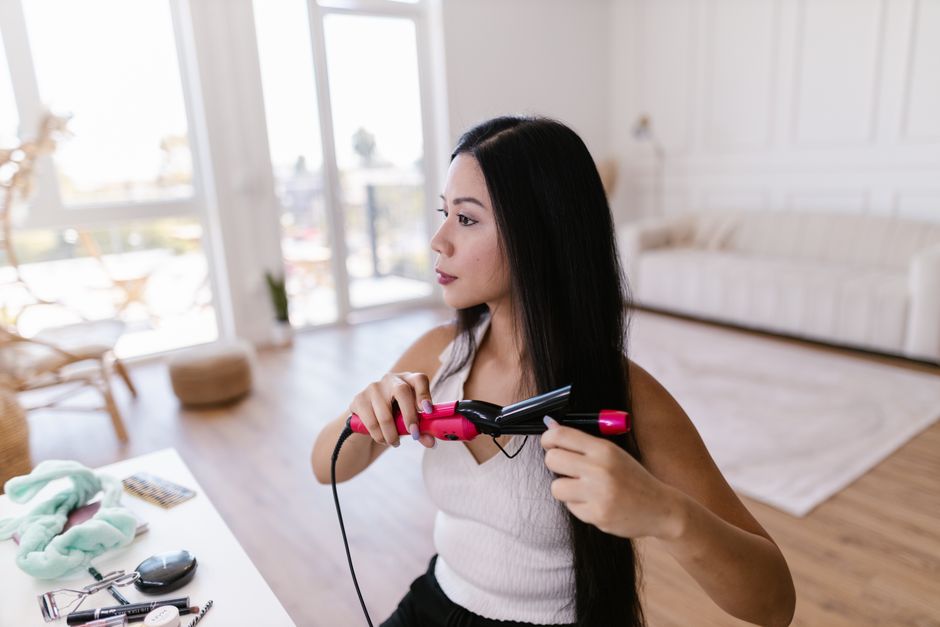
Now, let’s get to the core technique. Take a subsection of hair and clamp the flat iron near the roots, about an inch or two down from the scalp. Ensure you’re holding the iron with the handle pointing away from your head and the plates facing parallel to your hair shaft. The direction you turn the iron will determine the direction of the wave. For a natural, messy look, alternate the direction of the waves. Clamp the iron and then twist it away from your face. As you twist, slowly glide the flat iron down the hair shaft, maintaining consistent tension. The speed at which you move the iron is critical. Moving too quickly will result in a straighter finish, while moving too slowly can lead to heat damage and a more defined, almost curled appearance. Aim for a steady, controlled glide that allows the heat to impart the bend.
To create waves that move away from your face, clamp the iron and twist it towards your scalp, then glide downwards. For waves that move towards your face, clamp the iron and twist it away from your scalp, then glide downwards. A common and effective strategy is to alternate the direction of the waves in consecutive sections. For instance, twist the first subsection away from your face, then twist the next one towards your face. This alternating pattern creates a more organic and less uniform look, which is the hallmark of beachy waves.
Another popular variation of the flat iron wave technique involves the "underhand" or "overhand" twist. With the hair section held taut, clamp the iron about an inch from the root. Instead of simply gliding, you’ll twist the iron downwards. For an outward wave, twist the iron away from your face while gliding. For an inward wave, twist the iron towards your face while gliding. The key is to create a consistent bend as the iron moves. Experiment with the degree of twist to control the wave’s intensity. A sharper, more pronounced twist will result in a more defined bend, while a gentler twist will produce a softer ripple.
For those seeking a more "undone" and textured effect, consider leaving the ends straight. When gliding the iron down, stop a few inches from the ends. This creates a modern, lived-in look that avoids the appearance of overly sculpted curls. Alternatively, you can add a slight bend to the very tips of the hair for a more polished yet still casual finish.
After you’ve waved all of your hair, resist the urge to brush through it immediately. This will likely unravel the waves and create a frizzy mess. Instead, allow the waves to cool completely. This cooling period is crucial for setting the shape of the waves. Once the hair has cooled, gently run your fingers through your hair to break up the individual waves and blend them together. For added texture and separation, spritz a texturizing spray or a dry shampoo at the roots and through the lengths. Dry shampoo is particularly effective at absorbing any residual oil and adding grit, enhancing the "beachy" feel.
For a more voluminous and piecey look, use a sea salt spray. This product is specifically designed to mimic the texture and effect of ocean water, adding grit, hold, and a slightly tousled appearance. Lightly mist the sea salt spray throughout your hair, focusing on the mid-lengths and ends. Scrunch your hair with your hands to enhance the wave pattern and encourage a more textured finish.
For a softer, more romantic beachy wave, consider using a texturizing cream or balm. Apply a small amount to your palms and work it through your hair, gently scrunching to define the waves. This type of product can provide a smoother, less gritty texture while still offering definition and hold.
The longevity of your beachy waves can be significantly improved with the right finishing products. A light-hold hairspray is ideal for setting the waves without making your hair feel stiff or crunchy. Focus on spraying from a distance to create a light mist that encapsulates the waves. For extra hold, you can use a slightly stronger hairspray, but be mindful of applying it sparingly to avoid weighing down your hair.
For specific hair types, adjustments to the technique are often necessary. Fine hair can struggle to hold curls and waves. In this case, using a smaller iron, working with smaller subsections, and employing a higher heat setting (with adequate heat protection) can be beneficial. Applying a volumizing mousse or spray before drying can also provide a good foundation. For thicker, coarser hair, a wider iron and larger subsections can expedite the styling process. A lower heat setting might be sufficient, but you may need to hold the iron on each section for slightly longer to ensure the wave takes hold.
If your waves tend to fall out quickly, consider using a curling wand or a different curling method for a more robust hold. However, when sticking to the flat iron method, ensure your hair is completely dry and that you’re using products that enhance hold, such as texturizing sprays or mousses. Backcombing at the roots before waving can also add lift and longevity to the style.
To achieve a truly authentic beachy look, embrace imperfection. Not every wave needs to be perfectly formed. Overlapping sections slightly and varying the tightness of your bends will contribute to a more natural and effortless aesthetic. The goal is to create texture and movement, not a uniform set of curls.
Learning to create beachy waves with a flat iron is a valuable skill that offers a multitude of styling possibilities. By understanding the fundamentals of heat application, proper sectioning, and the subtle art of twisting and gliding, you can effortlessly achieve this coveted hairstyle. Experiment with different techniques, heat settings, and styling products to discover what works best for your unique hair type and desired outcome. The journey to perfect beachy waves is one of practice and experimentation, but with this comprehensive guide, you’re well on your way to mastering the art. From the initial preparation to the final spritz of hairspray, each step plays a vital role in transforming your hair into a cascade of sun-kissed, effortless waves, ideal for any beach day or everyday occasion. The consistent application of heat protectant, appropriate sectioning, and the deliberate twisting motion are the cornerstones of this versatile styling technique, ensuring your waves are not only beautiful but also healthy and long-lasting. Remember that the "beachy" aesthetic is inherently relaxed, so don’t be afraid to embrace a little imperfection. The beauty lies in the natural, lived-in texture that the flat iron can so effectively create.

