
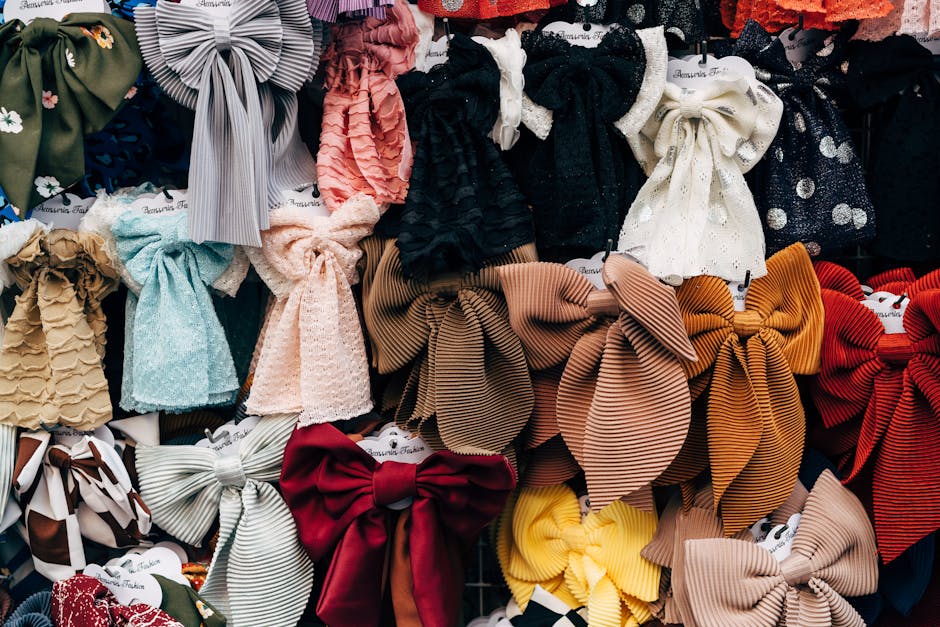
DIY Jr. Hair Bows: A Comprehensive Guide to Crafting Adorable Accessories
Creating your own hair bows for little ones offers a rewarding and cost-effective way to personalize their accessory collection. This comprehensive guide will walk you through the essential techniques, materials, and design considerations for crafting adorable DIY Jr. hair bows, suitable for beginners and experienced crafters alike. We’ll cover everything from selecting the right fabrics and tools to mastering various bow-making methods and adding those special finishing touches. Whether you’re aiming for simple, everyday bows or more elaborate, statement pieces, this guide provides the knowledge to bring your hair accessory visions to life.
Understanding the Basics: Essential Materials and Tools
Before embarking on your DIY Jr. hair bow journey, gathering the right materials and tools is paramount. The quality of your supplies will directly impact the final look and durability of your bows.
Fabric Choices: The fabric you choose is the foundation of your hair bow. For Jr. hair bows, consider materials that are:
- Lightweight and Drapey: These fabrics are easier to manipulate into elegant bows and won’t feel heavy or cumbersome on a child’s head. Examples include:
- Grosgrain Ribbon: A classic choice, grosgrain ribbon offers a slightly ridged texture and excellent structure, making it ideal for crisp, defined bows. It comes in a vast array of colors and patterns, making it incredibly versatile. For Jr. bows, 1-inch or 5/8-inch widths are common and manageable.
- Satin Ribbon: Satin provides a smooth, lustrous finish, giving bows a more formal and elegant appearance. It can be a bit slippery to work with, so careful handling is advised.
- Cotton Fabric: Quilting cottons are a fantastic option for patterned bows. They are sturdy, easy to cut and sew, and come in an almost endless variety of prints. Look for pre-cut fabric strips or cut your own for consistent results.
- Chiffon/Organza: For delicate, airy bows, these sheer fabrics offer a romantic and ethereal quality. They are best suited for layered bows or those with a softer drape.
- Velvet Ribbon: Adds a touch of luxury and warmth, particularly for colder weather bows. It can be slightly trickier to cut and glue due to its nap.
- Stiffness and Structure: Some fabrics offer more inherent structure than others. For bows that need to stand up on their own, consider interfacing or a stiffer type of ribbon.
- Washability: For children’s accessories, opting for washable fabrics is always a wise decision to ensure longevity and hygiene.
Essential Tools:
- Fabric Scissors/Rotary Cutter and Mat: Precision cutting is crucial for neat bows. Sharp fabric scissors or a rotary cutter with a self-healing mat are indispensable.
- Hot Glue Gun and Glue Sticks: A good quality hot glue gun is your best friend for quick and secure assembly. Low-temperature glue guns are safer for children to use under supervision, and also less likely to melt delicate fabrics.
- Fabric Glue (Optional but Recommended): For a more permanent and cleaner bond, especially on slippery fabrics or for securing ribbon edges, fabric glue is a valuable addition.
- Rulers/Measuring Tape: Accurate measurements ensure consistent bow sizes.
- Iron and Ironing Board: Pressing seams and fabric helps create a polished look and makes manipulation easier.
- Lighter or Fray Check (for Ribbon): To prevent ribbon ends from fraying, a quick pass with a lighter or a dab of Fray Check is essential.
- Embroidery Floss/Thread and Sewing Needles: For hand-sewing or when extra reinforcement is needed.
- Pliers (Optional): Can be helpful for gripping small items or securing small pieces.
- Hair Clips/Barrettes/Headbands: The base to which your bows will be attached. Common choices for Jr. bows include:
- Alligator Clips: Available in various sizes, these are a popular choice for their secure grip.
- Snap Clips: Another secure option, often favored for their ease of use.
- Nylon Headbands: Stretchy and comfortable, ideal for very young children.
- Hard Headbands: More structured, suitable for older children.
Fundamental Bow-Making Techniques
Several core techniques form the basis of most DIY hair bow designs. Mastering these will open up a world of creative possibilities.
The Classic Loop Bow (Grosgrain/Satin Ribbon):
This is perhaps the most recognizable and versatile hair bow style.
- Cut Your Ribbon: Determine the desired size of your finished bow. A good starting point for Jr. bows is a 6-inch to 8-inch piece of ribbon.
- Fold and Pinch: Take your ribbon and fold it in half, creating a crease in the center. Then, bring the two ends towards the center, overlapping them slightly to form a figure-eight or pretzel shape. Pinch the center firmly.
- Secure the Center: Use a length of thread or a thin strip of contrasting ribbon. Wrap it tightly around the pinched center multiple times and tie off securely. Alternatively, you can use a dab of hot glue to hold the center in place before wrapping.
- Shape the Loops: Gently pull and adjust the loops of the bow to achieve your desired fullness and symmetry.
- Add the Center Knot/Wrap: Cut a small piece of ribbon (about 2-3 inches). Wrap this piece around the center of the bow, covering the thread or initial securing point. Secure the ends on the back with a dab of hot glue.
- Attach to Clip: Apply hot glue to the back of the bow and press it firmly onto your chosen hair clip or barrette. Ensure it’s centered and securely adhered.
The Stacked Bow:
This technique involves layering multiple bows for added dimension and visual interest.
- Create Individual Bows: Make two or more basic loop bows of varying sizes (e.g., a larger one as the base and a smaller one on top). You can also use different colors or patterns for a dynamic look.
- Attach the Top Bow: Apply hot glue to the back of the smaller bow and center it on top of the larger bow. Press firmly.
- Add a Center Embellishment (Optional): A small pearl, rhinestone, button, or a contrasting ribbon knot can be added to the center of the stacked bow for extra flair.
- Attach to Clip: Once the glue is dry, attach the entire stacked bow unit to your chosen hair accessory.
The Boutique Bow (with Center Pleat):
Boutique bows are characterized by their full, rounded loops and a prominent center pleat.
- Cut Ribbon: You’ll need a longer piece of ribbon than for a basic loop bow, typically 10-12 inches for a medium-sized Jr. bow.
- Fold in Half: Fold the ribbon in half to find the center.
- Create the Loops: Bring the two ends towards the center, creating two loops on each side. Overlap the ends slightly in the middle.
- Pinch and Secure: Pinch the center where the ribbon overlaps. Wrap a piece of thread or contrasting ribbon around this pinched center and tie securely.
- Form the Center Pleat: This is the distinguishing feature. Take the pinched center and create a sharp fold or pleat in the middle. This will cause the loops to appear more rounded. You can secure this pleat with a few stitches of thread from the back.
- Shape and Finish: Adjust the loops and secure the center with a ribbon wrap as described in the classic loop bow method. Attach to your clip.
The Pinwheel Bow:
This contemporary and stylish bow creates a unique spiral effect.
- Cut Ribbon: You’ll need two pieces of ribbon of the same length, or two different lengths for a two-tone effect. A common length is around 5-6 inches per piece.
- Fold and Glue: Take one piece of ribbon. Fold it in half lengthwise, then unfold. Apply a thin line of fabric glue or hot glue along the folded crease.
- Create the Spiral: Bring the two ends of the ribbon together at the center, overlapping them slightly to form a pinwheel shape. Press firmly to adhere.
- Repeat for Second Piece: If using two colors, repeat the process with the second piece of ribbon.
- Layer and Glue: Apply hot glue to the back of the first pinwheel bow and place the second pinwheel bow on top, rotating it slightly for a visually appealing pattern.
- Add Center Piece: Cover the center with a small ribbon wrap or a button/rhinestone.
- Attach to Clip: Adhere to your hair clip.
No-Sew Techniques for Beginner Crafters
For those who prefer to avoid sewing or need a quicker option, no-sew bow techniques are highly effective.
- Hot Glue Mastery: The primary tool for no-sew bows is a reliable hot glue gun. Ensure you’re using good quality glue sticks that provide a strong bond.
- Fabric Glue: Fabric glue offers a more subtle and flexible bond, which can be beneficial for certain fabrics or for attaching embellishments.
- Pre-made Bow Bases: Some crafters purchase pre-made fabric bow bases and then simply embellish them.
- Layering and Adhering: The key to no-sew bows lies in carefully layering and adhering fabric pieces. For loop bows, the center wrap is often the most crucial element to secure. For stacked bows, ensure each layer is firmly attached to the one below.
- Edge Finishing: For ribbon, always heat seal the ends with a lighter or use Fray Check to prevent unraveling. For fabric, consider using pinking shears if you don’t want a perfectly clean edge, or hem the edges if a more polished look is desired (though this might involve some minimal hand-sewing or fabric glue for the hem).
Adding Embellishments and Personalization
Once you’ve mastered the basic bow shapes, it’s time to elevate your creations with embellishments.
- Center Accents:
- Ribbon Wraps: A simple and elegant way to finish the center.
- Buttons: Vintage or novelty buttons add a playful touch.
- Pearls and Rhinestones: For a touch of sparkle and sophistication.
- Felt Shapes: Cut out stars, hearts, or flowers from felt for a soft, dimensional accent.
- Glitter Glue: Adds subtle shimmer.
- Charms: Small metal charms can be attached for a personalized touch.
- Layering Fabrics: Combine different textures and patterns. A solid grosgrain ribbon bow with a floral cotton fabric center, for example.
- Adding Texture:
- Ruffles: Create small ruffles from ribbon or fabric and attach them around the edge of a bow.
- Lace Trim: Incorporate lace for a delicate and vintage feel.
- Theme-Based Bows: Create bows for holidays (Christmas, Easter, Halloween), seasons, or specific occasions (birthdays, baby showers). Use themed ribbons, colors, and embellishments.
- Personalized Touches:
- Monograms: Use embroidery or iron-on monograms for a personalized gift.
- Appliqué: Small fabric appliqués can be sewn or glued onto a bow.
Attaching Bows to Hair Accessories: Secure and Stylish
The way you attach your bows is critical for their functionality and appearance.
- Alligator Clips:
- Standard Attachment: Apply a generous amount of hot glue to the flat side of the alligator clip. Position the bow on top, ensuring it’s centered and pressed firmly.
- Adding Grip (Optional): For slippery hair, you can add a small piece of non-slip ribbon or silicone grip material to the inside of the clip before attaching the bow.
- Snap Clips:
- Direct Adhesion: Similar to alligator clips, apply hot glue to the flat side of the snap clip and attach the bow.
- Bridging the Gap: If the bow is significantly larger than the snap clip, you might need to create a small fabric or ribbon "bridge" on the back of the bow to provide a larger surface area for adhesion.
- Headbands:
- Center Attachment: For simple bows, glue them directly to the top of a hard headband.
- Covered Headbands: For a seamless look, cover a hard headband with fabric or ribbon first, then attach your bow.
- Securing to Elastic: For nylon headbands, you can either glue the bow directly to the elastic or create a small knot or band around the elastic to attach the bow. This is especially important for heavier bows.
- Barrettes:
- Flat-Backed Barrettes: Apply glue to the barrette and press the bow firmly.
- French Style Barrettes: These often have a loop or a prong system. You may need to stitch the bow onto a fabric backing that can then be threaded through the barrette mechanism.
Troubleshooting Common DIY Bow Issues
Even with experience, occasional hiccups can occur. Here are solutions to common problems:
- Fraying Ribbon: Always heat-seal ribbon ends with a lighter or use Fray Check. If a bow is unraveling, carefully re-glue any loose sections or reinforce with a few stitches.
- Glue Showing: Use a minimal amount of glue and try to conceal it with ribbon wraps or embellishments. If visible glue is a persistent issue, consider using fabric glue, which dries clear.
- Uneven Loops: Gently pull and adjust the loops. If the center is too tightly secured, loosen it slightly to allow for better shaping.
- Bows Falling Off: Ensure sufficient glue is used and the surface of the hair clip is clean. For slippery hair, consider adding grip material. Allow glue to dry completely before use.
- Fabric Puckering: This can happen when glue is applied too thickly or when fabric is stretched too tightly. Use thinner layers of glue and handle the fabric gently. Ironing fabric before cutting can also help prevent puckering.
SEO Considerations and Keywords
To ensure your DIY Jr. hair bow content is discoverable, integrate relevant keywords naturally throughout the article. Consider terms like:
- DIY hair bows
- Jr. hair bows
- Kid’s hair accessories
- Easy hair bow tutorial
- No-sew hair bows
- Grosgrain ribbon bows
- Satin ribbon bows
- Fabric bows
- Hair clip making
- Headband embellishments
- Crafting for kids
- Beginner bow making
- Boutique bows
- Pinwheel bows
- How to make hair bows
- Handmade hair accessories
Conclusion
Crafting DIY Jr. hair bows is an accessible and enjoyable endeavor that allows for immense creativity. By understanding your materials, mastering fundamental techniques, and adding your unique touch through embellishments, you can create a beautiful and personalized collection of hair accessories for the little ones in your life. The process is not just about the end product, but also the joy of creation and the satisfaction of making something special with your own hands. Experiment with different fabrics, designs, and embellishments to discover your signature style and watch as your handmade bows become cherished additions to any outfit.

