
Palm Springs Your Home: A Comprehensive Guide to Mid-Century Modern Design
Embrace the iconic aesthetic of mid-century modern design by infusing your home with the spirit of Palm Springs. This architectural and interior design movement, which flourished from roughly 1945 to 1969, is characterized by its clean lines, organic and geometric shapes, and integration with nature. Palm Springs, California, became a mecca for this style, showcasing a vibrant community of architects and designers who left an indelible mark on its landscape. To Palm Springs your home is to capture that essence – a sense of relaxed sophistication, playful experimentation, and a deep connection to the outdoors. This guide will walk you through the key elements and practical steps to achieve this coveted look.
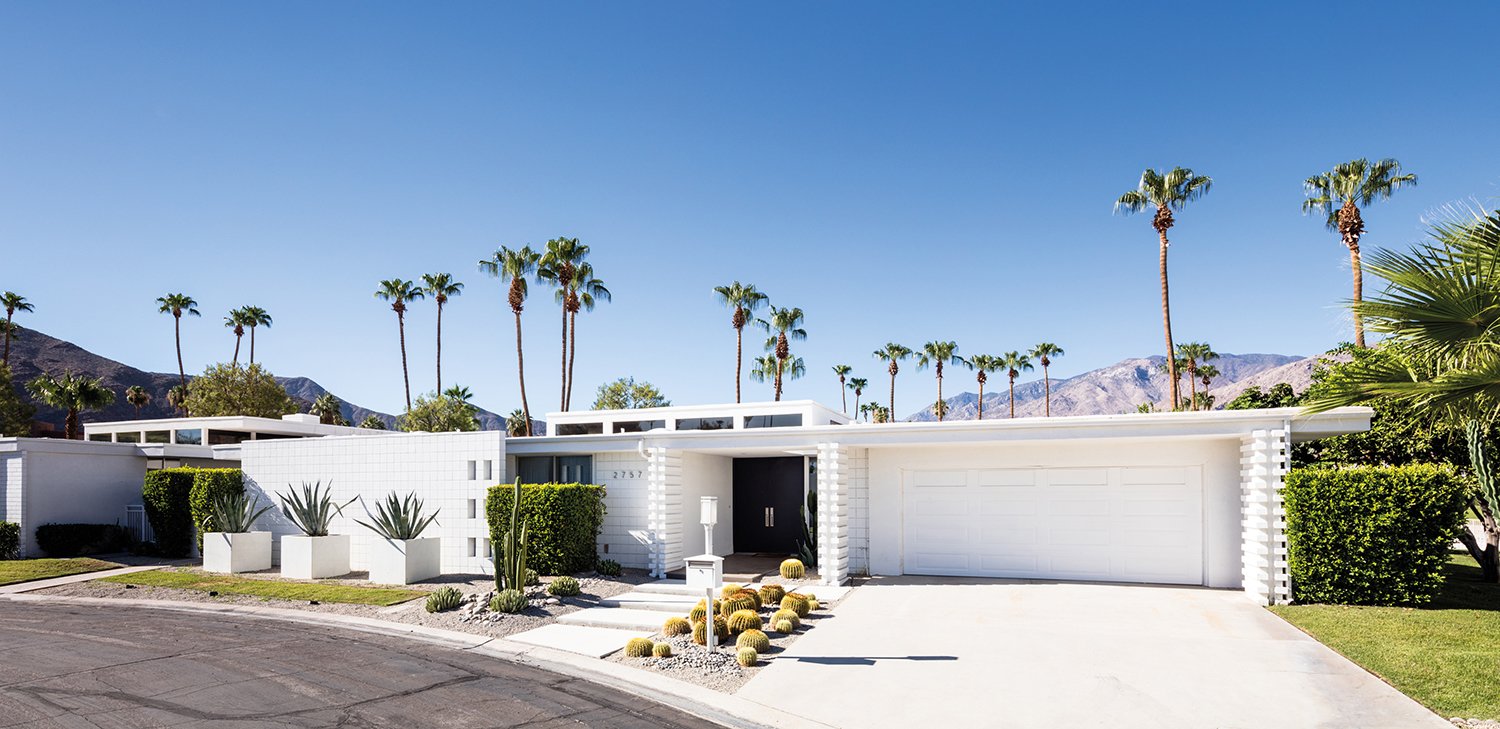
The foundation of a Palm Springs-inspired home lies in its architectural principles. Think post-and-beam construction, expansive glass walls, and open floor plans that blur the lines between indoor and outdoor living. While a complete renovation might not be feasible, you can emulate these qualities through strategic design choices. Prioritize natural light by maximizing window space and minimizing heavy drapery. Consider installing large sliding glass doors or clerestory windows to invite sunlight and panoramic views. If you have existing soffits, embrace them as a characteristic feature. For exterior transformations, consider a flat or low-pitched roofline, a common element in desert modernism. Simple, unadorned facades are key; avoid excessive ornamentation. The color palette is also crucial. Embrace a desert-inspired spectrum: warm sandy beiges, muted earth tones, crisp whites, and pops of vibrant, saturated colors like turquoise, coral, sunshine yellow, and avocado green. These hues evoke the arid landscape and the optimistic spirit of the era.
Materiality is another cornerstone of the mid-century modern aesthetic. Natural materials reign supreme, chosen for their texture, warmth, and durability. Wood, particularly teak, walnut, and rosewood, is prevalent in furniture, cabinetry, and decorative accents. Its rich grain adds depth and organic appeal. Concrete, both polished and exposed, was also a popular choice, offering a raw, industrial yet sophisticated element. Metal, especially brass, copper, and wrought iron, is frequently used for lighting fixtures, furniture legs, and decorative screens, often in minimalist, geometric forms. Glass, in its various forms – clear, frosted, textured, and colored – plays a vital role in creating a sense of openness and reflecting light. Textiles should be natural and tactile, such as wool, cotton, linen, and leather.
Furniture selection is paramount to achieving the authentic Palm Springs look. Mid-century modern furniture is renowned for its functionality, simplicity, and sculptural quality. Look for pieces with tapered legs, clean silhouettes, and minimal ornamentation. Iconic designers like Charles and Ray Eames, Eero Saarinen, George Nelson, and Florence Knoll created timeless pieces that remain highly sought after. Think of the Eames Lounge Chair and Ottoman, the Saarinen Tulip Table and Chairs, or Nelson’s Coconut Chair. When sourcing furniture, prioritize quality craftsmanship and enduring design over fleeting trends. Consider vintage pieces found at antique shops or specialized mid-century modern dealers for an authentic touch. Alternatively, many contemporary furniture manufacturers offer faithful reproductions or pieces inspired by the era. When choosing upholstery, opt for natural fabrics in solid colors or subtle geometric patterns. Avoid overly busy or ornate fabrics.
Lighting plays a significant role in defining the ambiance of a mid-century modern space. The era embraced innovative lighting solutions that were both functional and sculptural. Pendant lights with geometric shades, arc lamps that provide directed illumination, and Sputnik chandeliers with their starburst design are all classic choices. Materials like brass, copper, and frosted glass are common in light fixtures. Consider incorporating wall sconces with clean lines and uplighting to create a warm, inviting glow. The goal is to layer lighting, using a combination of ambient, task, and accent lighting to create a dynamic and well-lit environment. Think about how light can highlight architectural features or decorative elements.
The integration of nature is a defining characteristic of Palm Springs design. The arid desert landscape served as both inspiration and a backdrop for these homes. This concept translates to bringing the outdoors in. Introduce a variety of houseplants, choosing species that thrive in bright, dry conditions, such as cacti, succulents, snake plants, and fiddle-leaf figs. Use planters made from natural materials like terracotta, ceramic, or woven baskets. Consider a feature wall with a botanical print or a large-scale mural depicting desert flora. Large windows are essential for framing views of your garden or the surrounding landscape, even if it’s just a well-designed urban courtyard. Outdoor living spaces are extensions of the interior. Patio furniture with clean lines and comfortable cushions, fire pits, and strategically placed lighting can transform your outdoor area into a tranquil oasis.
Color and pattern are used strategically to add personality and visual interest to a mid-century modern home. As mentioned, the color palette is inspired by the desert. However, vibrant, saturated accent colors are used to inject energy and playfulness. Think of a bold turquoise sofa, a coral accent wall, or yellow dining chairs. Geometric patterns are also a hallmark of the era. Look for abstract geometric prints on rugs, throw pillows, upholstery, or even wallpaper. Starburst motifs, atomic shapes, and repeating angular designs are all characteristic. These patterns add a sense of dynamism and sophistication without being overwhelming. When combining patterns, ensure a unifying color palette to maintain a cohesive look.
Accessorizing is the finishing touch that brings your Palm Springs-inspired home to life. Think curated and intentional, rather than cluttered. Ceramic pieces, particularly those with organic shapes or bold glazes, are excellent choices. Sculptural objects, vintage radios, and mid-century modern artwork – think abstract paintings or prints with bold graphics – will add character. Mirrors with simple, unadorned frames can amplify light and create a sense of spaciousness. Textiles like woven rugs, textured throw pillows, and soft blankets contribute to the tactile appeal. Consider incorporating barware with a retro flair, such as cocktail shakers and glassware with geometric etching. Wall art should be bold and graphic, reflecting the era’s interest in abstract expressionism and graphic design.
Open floor plans are a key architectural feature of mid-century modern homes, designed to foster connection and flow. While you might not be able to knock down walls, you can create a sense of openness through strategic furniture placement and the use of visual cues. Define distinct living, dining, and entertaining zones using rugs, furniture arrangement, and subtle changes in flooring or wall color. Avoid blocking sightlines with tall or bulky furniture. Consider using room dividers that are more decorative than functional, such as slatted wood screens or open shelving units, to subtly delineate spaces. The aim is to create a fluid transition between areas, encouraging movement and interaction.
The integration of technology and entertainment was also a consideration in the mid-century era, albeit in its nascent stages. While we now have flat-screen televisions and sophisticated sound systems, the mid-century modern approach prioritized their seamless integration into the design. Avoid having visible wires and clunky entertainment units. Consider built-in shelving or custom cabinetry to house electronics discreetly. Vintage record players and radios can serve as both functional and decorative pieces, adding an authentic touch. The focus is on enhancing the living experience without disrupting the aesthetic harmony of the space.
The outdoor living spaces of Palm Springs homes are as crucial as their interiors. Embracing this aspect means creating an extension of your home into your garden, patio, or balcony. Focus on creating comfortable and stylish seating areas that encourage relaxation and entertaining. Materials like wrought iron, teak, and aluminum are common for outdoor furniture. Consider a dining set for al fresco meals, lounge chairs for soaking up the sun, and a comfortable sofa or sectional for evening gatherings. Incorporate outdoor lighting, such as string lights, lanterns, or wall sconces, to create a magical ambiance after dark. Fire pits or outdoor fireplaces provide warmth and a focal point for social interaction. Landscaping should complement the desert aesthetic, featuring drought-tolerant plants, gravel pathways, and simple, clean lines. Succulents, cacti, and ornamental grasses are excellent choices. The goal is to create a seamless transition between indoor and outdoor living, blurring the boundaries and maximizing your usable space.
Maintaining the integrity of the mid-century modern aesthetic requires attention to detail. This includes the hardware on doors and cabinets. Opt for simple, clean-lined hardware in finishes like brushed nickel, polished brass, or matte black. Avoid ornate or overly decorative handles. The same applies to faucets and plumbing fixtures in bathrooms and kitchens. Look for minimalist designs with clean lines and classic finishes. The overall impression should be one of understated elegance and thoughtful design. Every element, no matter how small, contributes to the overall coherence of the Palm Springs-inspired aesthetic.
The ethos of Palm Springs design extends beyond mere aesthetics; it embodies a lifestyle. It’s about relaxed entertaining, embracing leisure, and a deep appreciation for design that enhances everyday living. To truly Palm Springs your home is to cultivate this spirit. It means creating spaces that are both beautiful and functional, that encourage connection and comfort, and that reflect a sense of optimism and joy. It’s about a harmonious blend of form and function, where every element serves a purpose and contributes to an overall sense of well-being. By understanding and applying these principles, you can transform your home into a modern oasis inspired by the timeless allure of Palm Springs.

