
Salvaging Sentiment: Creative Scrapbooking with Less-Than-Perfect Photos
The digital age, while offering unparalleled convenience in capturing moments, often leaves us with a plethora of images that fall short of photographic perfection. Blurry shots, awkward smiles, poor lighting, and subjects who refused to cooperate are common culprits. Yet, these imperfect snapshots often hold immense sentimental value. Instead of consigning them to the digital abyss, this comprehensive guide explores innovative and SEO-friendly strategies for incorporating these less-than-ideal photos into your scrapbooks, transforming them into cherished mementos. The goal is not to hide the flaws, but to embrace them, weaving them into compelling narratives that celebrate the memory, not just the image quality.
The Power of Context: Storytelling Beyond the Pixel
The most effective SEO strategy for scrapbooking, particularly with imperfect photos, is storytelling. Photos, even the blurry ones, serve as anchors for narratives. When a photo is not the primary visual draw, the accompanying text and embellishments must take center stage. Think of your scrapbook page as a mini-magazine spread. The photo is an illustration, but the words are the article. This means prioritizing journaling. Write down the anecdote associated with the photo, no matter how mundane it seems. Who was there? What were you doing? What was said? What was the feeling of the moment? Even for a blurry image of a family gathering, detailing the laughter, the delicious food, or a funny mishap can elevate the page. Use descriptive language and evoke emotions. Consider different journaling techniques:
- Short, punchy captions: Ideal for capturing a quick observation or a humorous remark.
- Longer narratives: For sharing a more in-depth story or a significant event.
- Q&A format: Interview family members about the memory associated with the photo.
- Poetic or lyrical descriptions: To convey a mood or feeling.
Strategic Placement and Cropping: Minimizing Visual Distraction
The way you present your photos is crucial. For blurry or poorly lit images, strategic placement can significantly reduce their visual impact while still allowing them to contribute to the narrative.
- The "Hero" Photo: Designate one (or a few) better quality photos as the focal point of your page. Use the less-than-perfect photos as supporting elements. Crop them tightly to focus on a specific detail that is still discernible, like a child’s hand holding a toy or a pet’s ear. This focuses the viewer’s eye on the story, not the photographic deficiency.
- Collage Techniques: Group several imperfect photos together. This creates visual interest and suggests a collection of moments rather than isolated, flawed images. A collage of blurry candids from a birthday party can convey the energy and excitement of the event, even if no single photo is perfectly sharp.
- Layering: Tuck less-than-perfect photos behind larger, better-quality images or behind journaling blocks. This allows them to be present without dominating the page. A slightly out-of-focus background photo can add depth and context to a sharp foreground image.
- Framing: Use decorative borders or photo mats to draw attention to the memories associated with the photo, rather than the photo itself. A thick, patterned mat can visually frame a less-than-perfect image, making it appear more intentional.
Embracing the Imperfection: The "Retro" and "Artistic" Approach
Instead of fighting the flaws, lean into them. This can lead to unique and aesthetically pleasing scrapbook pages.
- The "Vintage" Look: Blurry, grainy, or faded photos often evoke a nostalgic, vintage feel. Embrace this by using sepia tones, distressed papers, and antique-looking embellishments. You can even intentionally add a slight sepia filter or a textured overlay to newer, imperfect photos to create a cohesive vintage aesthetic.
- Artistic Treatments: Treat your photos as raw material for artistic expression.
- Stamping: Stamp directly onto the photo with opaque inks. This can obscure minor flaws and add a decorative element.
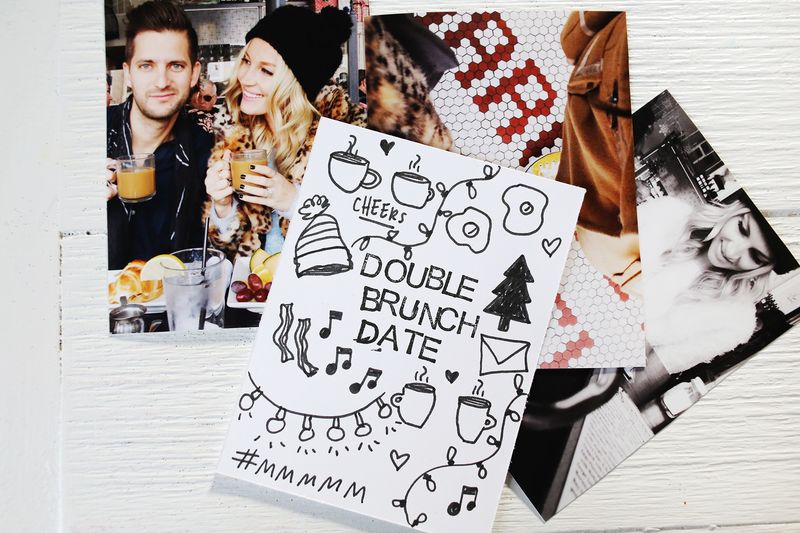
- Painting/Drawing: Lightly paint or draw over parts of the photo. Watercolors can add a soft, impressionistic blur, while fine-liner pens can be used to highlight details or add illustrative elements.
- Collage Elements: Cut out interesting shapes or textures from the imperfect photo and incorporate them into a larger collage. The recognizable element of the photo, even if blurry, can still add personal meaning.
- Digital Enhancement (Pre-Scrapbooking): Before printing, use simple photo editing software to:
- Crop strategically: Focus on the most compelling part of the image.
- Adjust brightness/contrast: Sometimes, a simple tweak can make a blurry photo clearer or a dark photo more visible.
- Apply filters: Black and white, sepia, or artistic filters can transform a technically poor photo into something more visually striking.
- Add textures: Overlaying a subtle texture can mask minor imperfections.
The Power of Embellishments: Enhancing the Narrative and Guiding the Eye
Embellishments are your secret weapon for drawing attention away from photographic flaws and towards the story you want to tell. They also serve as crucial SEO elements, helping to categorize and contextualize your pages.
- Keywords as Embellishments: Think of your embellishments as visual keywords.
- Travel Scrapbooking: Use maps, compasses, ticket stubs, passport stamps, or miniature globes. For a blurry beach photo, a seashell or a tiny pair of flip-flops immediately anchors the memory to a vacation.
- Event Scrapbooking (Birthdays, Holidays): Incorporate confetti, balloons, glitter, holiday-themed stickers, or small trinkets related to the event. A slightly out-of-focus photo of kids playing at a party can be supported by vibrant balloons and glitter.
- Family Scrapbooking: Use heart shapes, family tree motifs, or small charms representing hobbies or interests of family members. For a blurry photo of a family member, a charm representing their favorite sport or hobby can add a layer of context.
- Journaling Tags and Cards: These provide dedicated space for writing your stories. They act as visual breaks and draw the eye to your text, shifting the focus from the photo.
- Die-Cuts and Stickers: Use these to create visual themes and reinforce the story. A slightly blurry photo of a child at the park can be enhanced with stickers of swings, slides, or friendly animals.
- Washi Tape: Versatile and decorative, washi tape can be used to frame photos, create borders, or add visual texture, effectively masking or drawing attention away from imperfections.
- Ephemera: Small bits of paper or objects collected from the event or time period (ticket stubs, restaurant menus, flyers, handwritten notes) are invaluable for adding authenticity and detail, allowing your photos to play a supporting role.
SEO Beyond the Page: Categorization and Tagging for Digital Discovery (and Future Reference)
While this article focuses on physical scrapbooking, the principles of SEO extend to how you organize and describe your creations.
- Page Titles: When you share your scrapbook pages online (e.g., on a blog or social media), use descriptive titles that include keywords related to the content and the photos. Instead of "Page 5," try "Summer Beach Vacation Memories: Blurry Sunset Snapshots."
- Tagging: Assign relevant tags to each page. These tags act as keywords that help people find your content. Examples: #scrapbooking, #imperfectphotos, #memorykeeping, #familyvacation, #beachlife, #birthdayparty, #nostalgia, #DIYcrafts, #photostorytelling.
- Descriptions: Write detailed descriptions for each page, elaborating on the stories and the techniques used. This provides valuable context and further reinforces your keywords.
- Content Organization: Group your scrapbook pages by theme, event, or year. This creates a logical structure for your content, making it easier for others (and yourself) to navigate.
The Emotional Resonance: Authenticity Over Perfection
Ultimately, the most compelling scrapbooks are those that resonate emotionally. Imperfect photos, when imbued with rich storytelling and thoughtful presentation, can evoke powerful memories and feelings. Don’t let the pursuit of photographic perfection prevent you from preserving your life’s journey. Embrace the blurs, the awkward smiles, and the less-than-ideal lighting. They are part of your unique story. By applying these creative strategies and focusing on the narrative, you can transform even the most technically flawed photographs into cherished elements of your personal history, creating scrapbooks that are not only beautiful but also deeply meaningful. Remember, the value lies in the memory preserved, not just the pixels captured.
