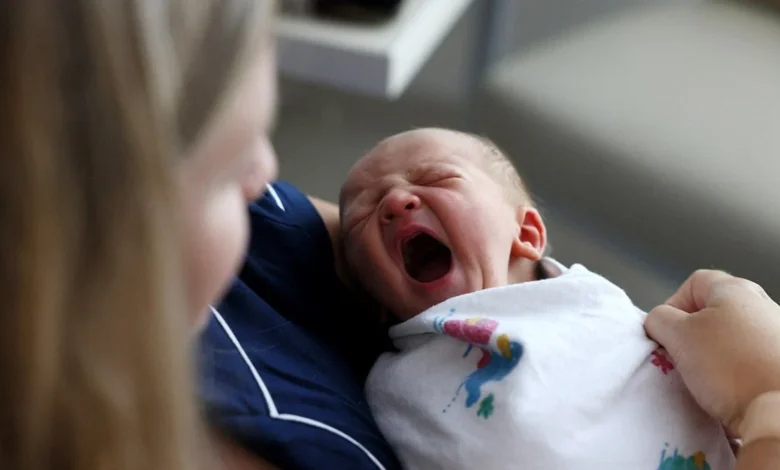
The Commonwealth of Massachusetts has unveiled a significant expansion of its public health infrastructure, committing $2.25 million in new taxpayer funding to bolster postpartum support systems. Governor Maura Healey announced the initiative to scale up the Welcome Family program, a voluntary service that dispatches registered nurses to the homes of families following the birth of a child. This expansion arrives at a critical juncture for the state, which has seen an intensified public discourse regarding maternal mental health following the high-profile criminal case of Lindsay Clancy, a former labor and delivery nurse who faced charges related to the deaths of her three children in 2023.
The state’s investment includes $2 million specifically earmarked for the growth of the Welcome Family program, which aims to provide parents with professional guidance, newborn health assessments, and connections to community resources. An additional $250,000 has been allocated to the Massachusetts Child Psychiatry Access Program (MCPAP) for Moms, a specialized initiative designed to provide mental health consultation and training for obstetric and pediatric providers.
The Evolution of Maternal Health Policy in Massachusetts
The Welcome Family program, while not new, is being positioned by the Healey administration as a central pillar of its strategy to improve maternal and infant health outcomes. The program functions as an early-intervention model; nurses conduct non-mandatory home visits to provide breastfeeding support, assess infant development, and monitor the physical and emotional well-being of the birthing parent.
The expansion is a response to shifting demographics and the increasing complexity of postpartum recovery. According to public health data, maternal morbidity rates in the United States have remained a significant concern for policymakers. Massachusetts, while consistently ranking among the states with better maternal health outcomes, still faces challenges in ensuring that rural and lower-income families have equitable access to specialized mental health support during the "fourth trimester"—the critical three-month period following childbirth.

The Lindsay Clancy Case and the Shift in Public Awareness
The current push for expanded mental health resources cannot be separated from the shadow of the Lindsay Clancy trial. In January 2023, the death of three children in Duxbury, Massachusetts, stunned the nation. As details emerged during the subsequent legal proceedings, the defense centered on the argument that Clancy was suffering from severe postpartum psychosis, a rare but extreme form of postpartum mental illness that can involve delusions and hallucinations.
The trial, which concluded in a mistrial due to a deadlocked jury, transformed a private family tragedy into a catalyst for a statewide policy review. Advocacy groups and medical professionals have long argued that the current standard of care—which often relies on a single six-week postpartum checkup—is insufficient to catch the symptoms of postpartum depression, anxiety, or psychosis. The Healey administration’s decision to fund training for healthcare providers specifically for identifying these symptoms suggests a shift toward a more proactive, preventative model of care.
Data and Maternal Health Trends
To understand the scale of the challenge, one must look at the broader landscape of maternal mental health. The Centers for Disease Control and Prevention (CDC) reports that approximately one in eight women in the United States experiences symptoms of postpartum depression. For many, these symptoms go undiagnosed due to a lack of screening or social stigma.
In Massachusetts, the Department of Public Health (DPH) has been tracking maternal mortality and morbidity, noting that mental health conditions are among the leading causes of pregnancy-related deaths. The MCPAP for Moms program, which is receiving the additional $250,000, serves as a vital bridge. By providing primary care physicians and obstetricians with direct access to psychiatrists, the program ensures that mental health is treated with the same clinical urgency as physical health complications.
The Debate Over Government Intervention
The announcement has triggered a robust debate regarding the boundaries of state involvement in domestic life. On one side of the spectrum, proponents of the program argue that the state has a moral and economic imperative to support families. They point to studies indicating that early intervention in the postpartum period can prevent long-term health crises, reduce healthcare costs associated with emergency room visits, and improve developmental outcomes for infants.
Conversely, the expansion has met with resistance from those who perceive the program as an example of government overreach. Critics on social media and in political forums have voiced concerns that taxpayer-funded home visits represent an unnecessary intrusion into the privacy of the home. Some argue that the state’s resources would be better spent incentivizing private providers or reducing the cost of existing clinical care rather than institutionalizing home visits.
The skepticism is rooted in a fundamental philosophical divide: should the state be a facilitator of private health decisions, or should it take a more active role in monitoring the well-being of its citizens? For many parents, the voluntary nature of the Welcome Family program is the deciding factor. However, skeptics argue that even voluntary programs create a "surveillance" culture that could lead to unintended consequences, such as families feeling pressured to comply with state-defined health standards.
Chronology of Recent Policy Developments
- January 2023: The tragic death of three children in Duxbury, Massachusetts, sparks a national conversation about postpartum mental health and the limitations of the current support system.
- Late 2023: Legal proceedings for Lindsay Clancy begin, bringing intense scrutiny to the medical care she received in the months leading up to the tragedy.
- Early 2024: Advocacy groups, including the Massachusetts Maternal Health Task Force, issue recommendations for increased state funding to address postpartum mental health gaps.
- Mid-2025: Governor Maura Healey’s office begins drafting the fiscal year budget, incorporating the expansion of the Welcome Family program as a priority.
- Recent Weeks: The administration officially announces the $2.25 million investment package, sparking public debate on social media and in local legislative committees.
Official Responses and Future Outlook
The Massachusetts Department of Public Health (DPH) has maintained that the expansion is entirely patient-centered. According to officials, the goal is to provide a "safety net" rather than a mandate. The nurses involved in the program are trained to recognize red flags, but they also act as resources for parents navigating the often overwhelming transition to parenthood.
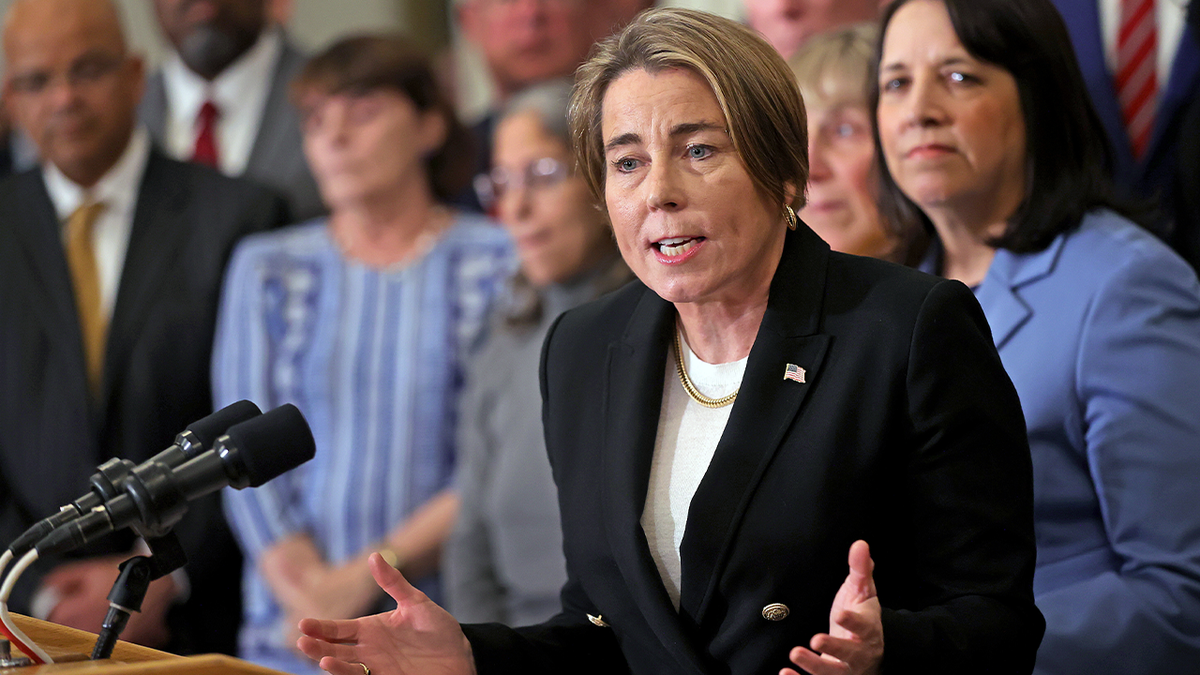
In an interview on Boston Public Radio, Governor Healey addressed the concerns regarding privacy and the role of government, emphasizing that the program is designed to be a tool for parents, not a mechanism for oversight. "Everybody in the state, when you have a baby, you’re going to have a home visit within days, weeks and that will be an opportunity for a healthcare provider to make an assessment to see if you need some additional support and resources," Healey stated.
However, the political friction remains. As the state moves toward implementing these new measures, the conversation will likely shift toward accountability. Legislative watchdogs are expected to monitor the effectiveness of the $2.25 million investment to determine if the expansion of home visits actually results in a measurable decline in postpartum mental health emergencies.

Implications for the Future of Maternal Care
The move by Massachusetts could serve as a case study for other states currently evaluating their own maternal health policies. If the expansion proves successful in connecting vulnerable families with care, it may encourage other jurisdictions to adopt similar, state-sponsored home visit models.
However, the challenge remains in maintaining the delicate balance between public support and individual autonomy. The criticism leveled against the program—that it is "creepy" or an "overreach"—reflects a broader national trend of skepticism toward government-led health initiatives. For the program to succeed, the administration must ensure that the rollout is characterized by transparency and a strict adherence to the voluntary nature of the services.
As the state moves forward, the focus will likely remain on three key areas:
- Training: Ensuring that the nurses and providers involved are equipped to handle the complexities of postpartum mental health without pathologizing normal parental stress.
- Equity: Ensuring that the program reaches families in all socioeconomic tiers, particularly those in underserved or rural areas where access to specialized care is traditionally limited.
- Metrics: Establishing clear data points to evaluate the success of the investment, moving beyond anecdotal success stories to show clear health benefits for the population.
The expansion of the Welcome Family program and the support for MCPAP for Moms represent a significant moment in the intersection of public policy and private health. Whether this initiative will be viewed as a vital expansion of the social safety net or an overextension of state power will likely depend on the transparency of its execution and the tangible health outcomes recorded in the coming years. For now, the Commonwealth of Massachusetts remains at the center of a national debate that pits the need for improved public health infrastructure against the enduring American value of familial privacy.