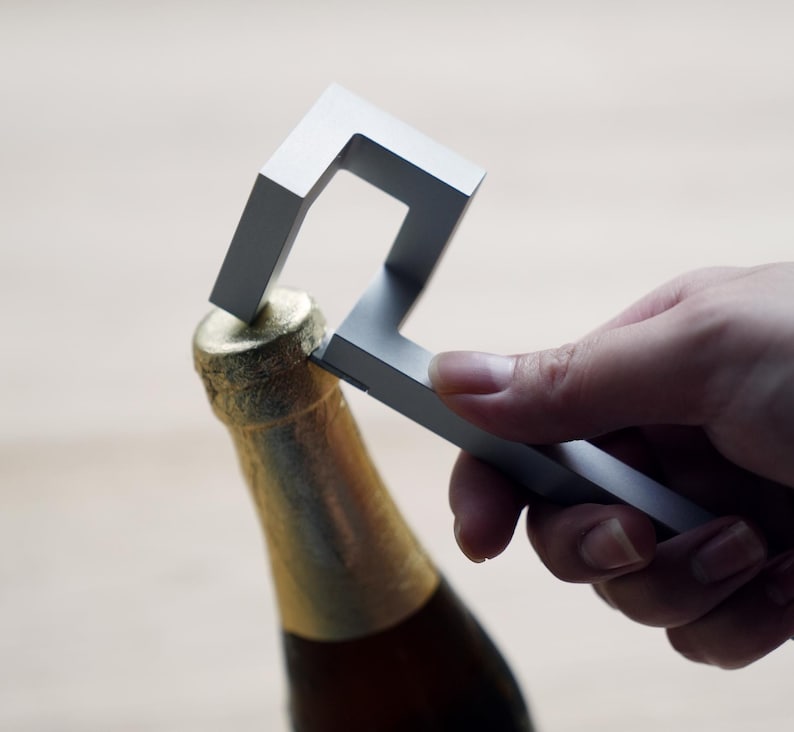

Modern DIY Bottle Openers: Crafting Functional Art for Your Bar
The humble bottle opener, a ubiquitous tool for accessing your favorite beverages, has long transcended its purely utilitarian purpose. In contemporary DIY culture, bottle openers have evolved into opportunities for creative expression, blending functionality with aesthetic appeal. This article delves into the world of modern DIY bottle openers, exploring various materials, techniques, and design considerations for crafting unique, personalized, and often impressive openers. Whether you’re a seasoned woodworker, a metal fabrication novice, or simply enjoy a good project, there’s a DIY bottle opener project to suit your skill level and style. We’ll cover everything from simple, accessible designs to more complex builds requiring specialized tools, ensuring you have the knowledge to create openers that are both practical and conversation starters.
The resurgence of craft breweries, artisanal spirits, and home cocktail culture has fueled an appreciation for well-crafted accessories. A DIY bottle opener isn’t just about opening a beer; it’s about adding a touch of personality and craftsmanship to your home bar or a thoughtful, handmade gift. Beyond the aesthetic, modern DIY bottle openers often incorporate innovative mechanisms or unique material combinations not found in mass-produced alternatives. The process of creating your own opener allows for complete control over its ergonomics, durability, and visual impact. Think of the satisfaction of cracking open a cold one with a tool you meticulously shaped and finished yourself. This guide will equip you with the inspiration and practical steps to embark on your own bottle opener creation journey.
Choosing Your Materials: The Foundation of Your Design
The material choice is paramount in determining the look, feel, and longevity of your DIY bottle opener. Each material offers distinct advantages and presents unique crafting challenges.
-
Wood: A perennial favorite for DIY projects, wood offers warmth, a natural aesthetic, and is relatively easy to work with. Hardwoods like oak, maple, walnut, and cherry are ideal due to their durability and attractive grain patterns. Softer woods like pine can be used for simpler designs or painted finishes, but they are more prone to dings and wear. Exotic hardwoods can elevate a project with striking colors and intricate grain. The versatility of wood allows for a wide range of shapes and sizes, from minimalist flat openers to ergonomically shaped handles. Considerations for wood include proper sealing and finishing to protect against moisture and staining, ensuring your opener remains beautiful and functional for years.
-
Metal: Metal offers superior durability and a sleek, modern aesthetic. Common metals for DIY openers include stainless steel, brass, copper, and aluminum. Stainless steel is highly resistant to rust and corrosion, making it an excellent choice for longevity. Brass and copper offer a warm, metallic sheen and can develop a beautiful patina over time. Aluminum is lightweight and easy to machine but can be softer. Working with metal often requires more specialized tools like a metal chop saw, drill press, grinder, and potentially a welder or brazing equipment. However, the resulting openers possess a robust, professional feel. Precision is key when working with metal to ensure the opener mechanism functions smoothly and effectively.
-
Resin: Epoxy resin has gained immense popularity in DIY crafts for its ability to encapsulate objects, create vibrant colors, and achieve a high-gloss finish. Resin bottle openers can be cast into molds, often incorporating wood, metal hardware, or decorative elements within the resin. This allows for intricate designs and a truly unique, personalized piece. Working with resin requires attention to detail, proper ventilation, and careful mixing to avoid bubbles and ensure a smooth cure. The finished product can be exceptionally striking, resembling polished stone or vibrant gemstones.
-
Reclaimed Materials: Embracing sustainability, many DIYers opt for reclaimed materials. This could include old tools, discarded metal scraps, pieces of furniture, or even repurposed hardware. This approach not only gives new life to existing items but also imbues the opener with a unique history and character. For instance, a vintage wrench or a piece of antique hardware can be ingeniously transformed into a stylish and functional bottle opener.
-
Combination Materials: The most exciting DIY bottle openers often blend multiple materials. Imagine a hardwood handle with a precisely machined stainless steel opener mechanism, or a resin-encased design featuring a prominent metal inlay. This approach allows for the best of both worlds, combining the aesthetic appeal and tactile comfort of one material with the strength and functionality of another.
Essential Tools and Techniques for DIY Bottle Opener Creation
The tools and techniques you’ll employ will largely depend on your chosen materials and the complexity of your design.
-
For Woodworking:
- Cutting: Hand saws (like a coping saw or dovetail saw), a bandsaw, or a scroll saw are essential for shaping wooden components. A miter saw or table saw can be useful for precise cuts, especially for handle components.
- Shaping and Refining: Rasps, files, sandpaper (in various grits from coarse to fine), and potentially a spindle sander or a belt sander are crucial for smoothing edges, creating curves, and achieving a comfortable grip.
- Drilling: A drill press or a hand drill with various drill bits will be needed for creating pilot holes, countersinks, and for attaching hardware.
- Finishing: Sanding sealers, oils (like Danish oil or Tung oil), waxes, or varnishes are used to protect the wood, enhance its natural beauty, and provide a durable, smooth finish.
-
For Metalworking:
- Cutting: A metal chop saw, a hacksaw, or a reciprocating saw with metal-cutting blades are necessary for slicing through metal stock.
- Shaping and Grinding: Angle grinders with cutting and grinding discs, bench grinders, and files are used for rough shaping, deburring, and refining metal edges.
- Drilling: A drill press is highly recommended for accurate drilling into metal, using specialized metal drill bits and cutting fluid to prevent overheating and improve performance.
- Joining (Optional): For more robust designs, welding (MIG, TIG, or Stick) or brazing may be employed to join metal components. This requires significant expertise and safety precautions.
- Finishing: Sandpaper (in progressively finer grits), polishing compounds, and metal cleaners are used to achieve a smooth, polished, or brushed metal finish.
-
For Resin Casting:
- Molds: Silicone molds are the most common and versatile for resin casting. You can purchase pre-made opener molds or create your own using silicone caulk.
- Mixing: Accurate measuring cups and stirring sticks are essential for proper resin and hardener ratios.
- Pouring: Pipettes, syringes, or small cups can be used for controlled pouring of the resin.
- Finishing: Sandpaper (wet/dry sandpaper is often used for resin), polishing compounds, and buffing wheels are used to achieve a high-gloss finish and remove any imperfections.
-
General Tools:
- Measuring and Marking: Rulers, calipers, marking knives, and pencils are vital for accurate layout.
- Fasteners: Screws, rivets, or bolts may be needed to assemble different components.
- Safety Equipment: Safety glasses or goggles, gloves, and dust masks are non-negotiable for any DIY project. A respirator is particularly important when working with certain finishes or in dusty environments.
Popular DIY Bottle Opener Designs and How to Make Them
Let’s explore some popular and achievable DIY bottle opener designs:
-
The Classic Wooden Handle Opener:
- Concept: This design features a sturdy metal opener mechanism affixed to a custom-shaped wooden handle.
- Materials: A pre-made stainless steel bottle opener hardware kit (readily available online), hardwood of your choice (e.g., walnut, cherry), wood glue, sandpaper, and wood finish.
- Steps:
- Design and Cut: Draw your desired handle shape onto a piece of wood. Cut out the shape using a bandsaw or jigsaw.
- Shape and Refine: Use rasps, files, and sandpaper to sculpt the handle into an ergonomic and visually appealing form. Ensure it feels comfortable in your hand.
- Drill and Prepare: Mark the positions for the screws or rivets that will attach the metal hardware. Drill pilot holes.
- Attach Hardware: Apply a small amount of wood glue to the mounting surface of the metal opener. Align the hardware with the pilot holes and secure it firmly with screws or rivets.
- Sand and Finish: Sand the entire handle and around the hardware to a smooth finish. Apply your chosen wood finish, allowing it to cure completely.
-
The Metal Wallet Opener (Card Opener):
- Concept: A minimalist, credit card-sized opener made from durable metal.
- Materials: Thick gauge stainless steel or brass sheet metal (e.g., 1/16 inch or 2mm thick), metal cutting snips or a Dremel with a metal cutting wheel, files, sandpaper, and a metal polish.
- Steps:
- Template and Cut: Create a template for your card opener, typically with a notch for the bottle cap. Cut the metal to this shape using snips or a Dremel. Precision is key for the notch to function effectively.
- File and Smooth: Thoroughly file all edges to remove any sharp burrs and create a smooth, safe surface. Pay close attention to the opening where the cap will engage.
- Refine the Notch: Ensure the notch is precisely shaped to grip the bottle cap. You might need to experiment with the angle and depth.
- Sand and Polish: Progress through finer grits of sandpaper to achieve a smooth finish. For a high shine, use metal polishing compounds.
-
The Resin and Wood/Metal Insert Opener:
- Concept: A visually striking opener where a piece of wood or metal is encapsulated within clear or colored epoxy resin.
- Materials: Silicone mold for bottle openers, epoxy resin kit, hardener, pigment (optional), a small piece of decorative wood or metal (e.g., a coin, a metal inlay blank, a thin slice of exotic wood), mixing cups, stirring sticks, heat gun or torch (for bubbles).
- Steps:
- Prepare Insert: Cut and sand your wood or metal insert to fit within the mold.
- Mix Resin: Carefully follow the manufacturer’s instructions for mixing the epoxy resin and hardener. Add pigment if desired.
- Pour First Layer: Pour a thin layer of resin into the mold. Place your insert into the resin, ensuring it’s fully submerged. You may need to use weights or clamps to keep it in place.
- Cure and Add More Layers: Allow the first layer to partially cure until it’s tacky. Then, pour subsequent layers of resin, ensuring full coverage and no air bubbles. Use a heat gun or torch to gently remove surface bubbles between pours.
- Demold and Finish: Once fully cured, carefully demold your opener. Sand any rough edges and then use progressively finer grits of sandpaper and polishing compounds to achieve a smooth, high-gloss finish.
-
The Reclaimed Material Masterpiece (Example: Vintage Wrench Opener):
- Concept: Transforming an old tool into a functional and aesthetically unique opener.
- Materials: A small vintage wrench (e.g., a monkey wrench or adjustable wrench), a metal cutting disc for an angle grinder or Dremel, files, sandpaper, and metal polish.
- Steps:
- Identify the Opener Point: Examine the wrench to identify a point where the jaws or a part of the handle can be modified to engage and lift a bottle cap. Often, the opening of the adjustable jaw itself can be repurposed.
- Cut and Shape: Using a metal cutting disc, carefully cut away any excess material from the wrench to create a clean opener shape. File down all edges to be smooth and safe.
- Refine the Mechanism: Ensure the modified part of the wrench effectively grips and lifts the bottle cap. This may require some trial and error with filing.
- Clean and Polish: Clean the wrench thoroughly and polish the metal to enhance its vintage charm.
Tips for Success and Advanced Considerations
- Ergonomics is Key: A bottle opener, no matter how beautiful, needs to be comfortable to hold and use. Consider the grip, weight, and balance of your design.
- Durability and Longevity: Choose materials and finishes that will withstand the rigors of repeated use and exposure to moisture.
- Precision Matters: For metal openers, the accuracy of the cut and the shape of the cap-engaging mechanism are crucial for functionality.
- Safety First: Always wear appropriate safety gear, especially when working with power tools, sharp objects, or chemicals.
- Test Thoroughly: Before presenting your DIY opener as a gift or using it regularly, test its effectiveness on multiple bottle caps to ensure it works smoothly and reliably.
- Explore Beyond the Basics: Consider integrating magnets to create a wall-mounted opener, or designing a multi-tool opener that incorporates other functions.
- Personalization: Engraving, wood burning, or custom resin inclusions can add a deeply personal touch to your DIY openers, making them perfect for gifts or special occasions.
- Consider Scale: Think about the size and weight. A pocket-sized opener will have different design considerations than a countertop bar opener.
SEO Keywords: DIY bottle opener, handmade bottle opener, custom bottle opener, wood bottle opener, metal bottle opener, resin bottle opener, bottle opener kit, craft bottle opener, home bar accessories, bar tools DIY, woodworking projects, metalworking projects, epoxy resin crafts, reclaimed materials, unique gifts, personalized gifts, barware DIY, bottle opener designs, how to make a bottle opener, bottle opener hardware, modern bar tools.

