
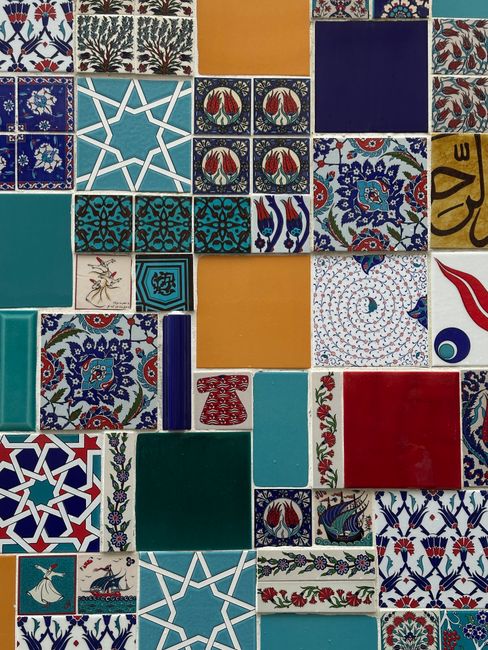
Oversized Tiled Photo Art: A Bold Statement in Interior Design
Oversized tiled photo art represents a significant trend in contemporary interior design, transforming blank walls into dynamic focal points. This sophisticated approach involves breaking down a single, large-scale photograph into multiple individual tiles, which are then meticulously arranged to recreate the original image. The sheer scale is impactful, immediately drawing the viewer’s eye and creating an immersive experience that traditional framed prints often struggle to achieve. Unlike a single expansive canvas or poster, the tiled format introduces a subtle dimensionality and textural quality. Each tile, whether ceramic, metal, acrylic, or even specialized photographic paper, possesses its own subtle sheen and edge, collectively contributing to a layered visual effect. This method is particularly effective in large, open-plan spaces where it can anchor furniture arrangements and define zones. It’s also a powerful solution for contemporary or minimalist interiors seeking a dramatic, conversation-starting element. The choice of material for the tiles is crucial and significantly impacts the final aesthetic. Glossy ceramic tiles can reflect light, adding a modern, almost gallery-like feel, while matte finishes offer a more subdued, artistic presentation. Metal tiles can introduce industrial or avant-garde elements, and acrylic can create a sense of depth and vibrancy. The resolution and quality of the original photograph are paramount; high-definition images are essential to ensure that individual tiles do not detract from the overall clarity and impact of the artwork. The seamlessness of the grout lines, or the intentionality of their visibility, also plays a vital role in the success of the installation.
The Transformative Power of Scale and Visual Impact
The inherent advantage of oversized tiled photo art lies in its unparalleled visual impact. A single, sprawling image, meticulously reconstructed from numerous individual components, commands attention in a way that smaller artworks simply cannot. This is particularly true in commercial spaces, such as lobbies, boardrooms, or retail environments, where creating a memorable and branded impression is critical. In residential settings, an oversized tiled photo mural can become the undisputed centerpiece of a room, influencing the entire mood and aesthetic. Imagine a breathtaking landscape photograph, rendered across a wall of perhaps ten or twenty ceramic tiles. The vastness of the scene is amplified by the scale, transporting the viewer directly into the depicted environment. Similarly, a striking abstract piece, broken into tiles, can create an immersive, almost three-dimensional effect, drawing the viewer into its complex patterns and colors. The success of this approach hinges on careful selection of both the image and the tiling strategy. The resolution of the original photograph must be exceptionally high to withstand the magnification required for an oversized display without pixelation or loss of detail. Furthermore, the way the image is divided into tiles is crucial. Designers must consider how the natural lines and focal points of the image will align with the tile grid. A poorly executed division can fragment the image, disrupting the visual flow and diminishing the artwork’s impact. Conversely, a thoughtful division can enhance the artwork, using the tile boundaries to create subtle lines and textures that add another layer of visual interest. The materials used for the tiles also contribute significantly to the overall effect. Glossy ceramic tiles can reflect light, adding a contemporary and almost luxurious feel, while matte finishes offer a more muted, artistic presentation. Metal or acrylic tiles can introduce unique textural and reflective qualities, further enhancing the visual dynamism.
Choosing the Right Image for Your Tiled Masterpiece
The selection of the photographic subject matter is the foundational step in creating impactful oversized tiled photo art. Not every image is suitable for this large-scale format. Ideal candidates possess several key characteristics: exceptional clarity and detail, a strong compositional structure, and an aesthetic that resonates with the intended environment. High-resolution digital photographs are non-negotiable. When an image is enlarged to such significant proportions, any lack of detail or pixelation will become glaringly apparent. Landscapes, particularly those with expansive vistas, dramatic skies, or intricate natural textures, often translate exceptionally well. Think of sprawling mountain ranges, serene ocean horizons, or dense, detailed forest scenes. These types of images offer a wealth of visual information that can be effectively reproduced across numerous tiles, maintaining their immersive quality. Urban photography, with its architectural lines and cityscapes, can also be highly effective, offering a sense of grandeur and dynamism. Portraits, when executed with exceptional clarity and detail, can create a powerful and intimate statement, though careful consideration must be given to the scale and the potential for individual features to be magnified. Abstract photography, with its focus on color, form, and texture, can also be a compelling choice, allowing the tile divisions to contribute to the abstract qualities of the artwork. When selecting an image, consider the color palette and how it will interact with the existing décor of the space. A vibrant, colorful image can inject energy into a minimalist room, while a more subdued, monochromatic piece can add a sophisticated touch to a richly decorated space. The emotional impact of the image is also important. Does it evoke a sense of calm, excitement, contemplation, or awe? This emotional resonance will significantly influence the atmosphere of the room. It’s also worth considering the narrative potential of the image. Does it tell a story or invite interpretation? This can add an intellectual layer to the visual appeal. Finally, the aspect ratio of the photograph should be carefully considered in relation to the dimensions of the wall space. Images that are too wide or too tall may require significant cropping, potentially altering the original composition.
Material Matters: Exploring the Diverse World of Tiled Art Substrates
The choice of substrate for oversized tiled photo art profoundly influences the final aesthetic, durability, and installation considerations. Each material offers distinct visual and tactile qualities, catering to different design styles and functional requirements. Ceramic tiles, a classic choice, provide a smooth, often glossy surface that can enhance the vibrancy of colors and offer a clean, contemporary look. Their inherent durability and resistance to moisture make them suitable for a wider range of applications, including kitchens and bathrooms, though the large-scale nature of the artwork might necessitate specialized installation techniques to ensure structural integrity. Porcelain tiles, a denser and less porous variant of ceramic, offer even greater durability and water resistance, making them an excellent option for high-traffic areas or environments where moisture is a concern. Metal tiles, such as aluminum or brushed stainless steel, introduce a distinct industrial or avant-garde character. Their reflective surfaces can play with light, creating dynamic visual effects. Metal is particularly well-suited for contemporary and minimalist spaces, adding a touch of sophistication and edge. Acrylic tiles offer a modern, luminous quality. Their glossy finish can make colors appear exceptionally vivid and can create a sense of depth, almost as if the image is floating on the wall. Acrylic is lightweight and can be a good option for installations where weight is a concern. However, acrylic can be prone to scratching, so its placement in high-traffic areas may require careful consideration. Specialized photographic paper, mounted onto rigid boards and then cut into tiles, offers a more traditional photographic feel. This approach can preserve the subtle tonal gradations and fine details of the original print. However, paper-based tiles may require a protective coating and are generally less durable and more susceptible to moisture and UV damage than ceramic, metal, or acrylic. The decision regarding grout lines is also integral to the material choice. Some installations aim for near-seamless integration, using grout colors that closely match the tile, effectively creating a continuous image. Others embrace the tile divisions, using contrasting grout to create a distinct grid pattern that emphasizes the modular nature of the artwork. The thickness and edge finish of the tiles also contribute to the overall dimensionality and perceived quality of the piece.
Design Integration: Harmonizing Tiled Art with Your Space
Seamlessly integrating oversized tiled photo art into an existing or planned interior design scheme is crucial for achieving a cohesive and visually appealing result. The artwork should not exist in isolation but rather complement and enhance the surrounding décor. Consider the room’s primary function and the desired atmosphere. In a living room, a panoramic landscape tiled mural can serve as a breathtaking backdrop to a seating area, creating an immersive and relaxing environment. The color palette of the artwork should harmonize with or provide a deliberate contrast to the existing furniture, upholstery, and wall colors. If the artwork is highly saturated, the surrounding décor might benefit from a more neutral palette to avoid visual overload. Conversely, a monochromatic artwork can add a sophisticated focal point to a room with a rich and varied color scheme. The scale of the artwork must be proportionate to the wall it occupies and the overall dimensions of the room. An oversized mural in a small, cramped space can feel overwhelming, while a relatively small tiled piece in a vast hall might appear insignificant. The lighting of the space plays a critical role in highlighting the artwork. Strategically placed spotlights or accent lighting can draw attention to the details and textures of the tiles, enhancing their visual impact. Consider the direction of natural light as well; reflective surfaces like glossy tiles can catch and play with sunlight, adding dynamic movement to the artwork. The architectural features of the room should also be taken into account. The artwork can be used to accentuate existing architectural elements, such as a fireplace or a built-in shelving unit, or it can be used to create a focal point on a blank wall. When choosing the image, consider the subject matter’s relevance to the room. A tranquil natural scene might be ideal for a bedroom or a meditation space, while a vibrant, abstract piece could energize a home office or a media room. The style of the artwork should also align with the overall interior design aesthetic. A minimalist space might benefit from a sleek, abstract tiled artwork, while a more traditional or eclectic interior could accommodate a vintage photographic mural. The intentionality of the tile and grout lines is another design consideration. If a seamless look is desired, the grout should be color-matched to the tiles, and the tiles should be precisely cut and installed. If the grid-like structure is to be emphasized, contrasting grout colors can be used to create a graphic effect.
The Installation Process: Precision and Professionalism
The installation of oversized tiled photo art is a complex undertaking that requires precision, specialized tools, and often, professional expertise. Unlike standard tiling projects, the sheer scale and the nature of the artwork demand a meticulous approach to ensure a flawless finish and the longevity of the installation. The process typically begins with thorough wall preparation. The wall must be clean, dry, and structurally sound. Any imperfections, such as cracks or unevenness, must be rectified to provide a stable and level surface for the tiles. Depending on the substrate of the tiles, specific adhesives or mounting systems will be required. For ceramic or porcelain tiles, a high-quality tile adhesive is essential, applied evenly to both the wall and the back of each tile to ensure optimal bonding. For materials like metal or acrylic, specialized adhesives or mechanical fixings might be employed. The precise layout and alignment of each tile are paramount. Using chalk lines or laser levels, installers will carefully map out the grid, ensuring that the photographic image is divided and positioned exactly as intended. This stage often involves consulting detailed digital mock-ups of the artwork’s division. Cutting the tiles to fit specific areas, such as around doorways or windows, requires precision cutting tools, such as tile saws or water jets, to achieve clean, straight edges that maintain the integrity of the image. The application of grout is another critical step. If a seamless look is desired, a color-matched grout is meticulously applied and then carefully cleaned to remove any excess, ensuring that the lines between the tiles are as inconspicuous as possible. If a contrasting grout is used to emphasize the grid, the application and cleaning process still require precision to achieve sharp, defined lines. The weight of oversized tiled art can be substantial, particularly for larger installations. Therefore, structural considerations are vital. Installers must ensure that the wall can adequately support the weight of the artwork, and in some cases, additional bracing or reinforcement may be necessary. For extremely large or heavy installations, professional art handlers or experienced tiling contractors with a specialization in large-format installations are highly recommended. Proper sealing and finishing, depending on the materials used, are essential for protection and maintenance. This might involve applying sealants to grout lines to prevent staining or using protective coatings on the surface of the tiles. The goal of professional installation is not only to achieve a visually stunning result but also to ensure that the artwork remains stable, durable, and aesthetically pleasing for years to come.
SEO Optimization: Keywords and Visibility
To ensure this comprehensive guide to oversized tiled photo art is easily discoverable by individuals seeking information and inspiration, strategic Search Engine Optimization (SEO) techniques are employed. Key terms are woven naturally throughout the content to attract relevant search queries. Core keywords include "oversized tiled photo art," "large-scale photo murals," "custom tiled artwork," and "wall art tiles." Variations such as "custom photo tiles for walls," "large format tile prints," and "interior design photo art" are also incorporated to capture a broader range of search intent. The article delves into specific aspects, utilizing long-tail keywords like "choosing images for tiled photo art," "material options for large photo tiles," "installing oversized tile murals," and "interior design with oversized wall art." The discussion on different substrates naturally leads to terms like "ceramic photo tiles," "metal photo art," and "acrylic wall panels." The integration section utilizes phrases such as "harmonizing wall art with décor" and "lighting for large format art." By addressing these specific user needs and questions, the article aims to rank highly in search engine results pages (SERPs) for a variety of relevant searches, guiding potential clients and design enthusiasts toward valuable information. The consistent use of these keywords, coupled with the article’s depth and comprehensiveness, contributes to its authority and visibility within the online landscape of interior design and art.

