
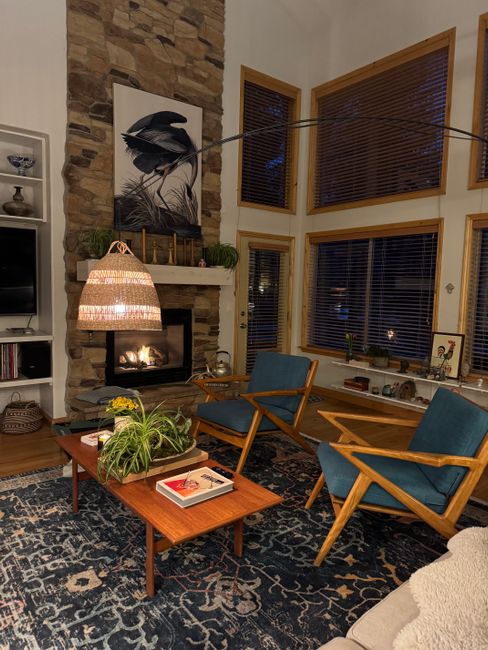
Transform Your Hearth: The Ultimate Guide to Painting Your Stone Fireplace White
Painting a stone fireplace white is a transformative design choice, offering a clean, modern aesthetic that brightens any room. This guide provides a comprehensive, step-by-step process, ensuring a professional finish and longevity for your newly whitened hearth. We’ll cover everything from initial preparation and material selection to application techniques and essential aftercare, empowering you to confidently tackle this project. Whether your stone is rough, smooth, natural, or manufactured, this article will equip you with the knowledge to achieve stunning results, enhancing your home’s overall appeal and value.
Understanding the Appeal of a White Stone Fireplace
The appeal of a white stone fireplace lies in its ability to act as a versatile and timeless focal point. White, inherently a bright and reflective color, visually expands a space, making rooms feel larger and more airy. This effect is particularly pronounced in smaller living areas or rooms that receive limited natural light. A white painted fireplace breaks away from the traditional, often heavy and dark, appearance of unpainted stone, offering a contemporary and sophisticated contrast. It can seamlessly blend with various interior design styles, from minimalist and Scandinavian to modern farmhouse and even transitional decor. The stark white provides a neutral canvas that allows other decorative elements in the room, such as artwork, furniture, and textiles, to truly stand out. Furthermore, the clean lines and unified color of a white fireplace can unify disparate design elements within a room, creating a cohesive and harmonious atmosphere. For those seeking a dramatic yet accessible update, painting a stone fireplace white offers a significant visual impact with relatively straightforward execution. It’s a project that can dramatically alter the perception of a room, infusing it with light, warmth, and a renewed sense of style. Beyond aesthetics, a white fireplace can also make a room feel more inviting and comfortable, subtly influencing the mood and energy of the space.
Essential Preparation: Cleaning and Repair
Before any paint touches your stone fireplace, thorough cleaning and any necessary repairs are paramount. This foundational step ensures optimal adhesion and a flawless final appearance. Begin by clearing the area around the fireplace of all décor, furniture, and flammable materials. For a deep clean, start with a stiff brush or a shop vacuum with a brush attachment to remove loose debris, dust, and cobwebs from the stone. Next, tackle any stubborn grime, soot, or discoloration. A solution of warm water and a mild detergent (like dish soap) can be effective for general cleaning. For tougher stains, a solution of diluted trisodium phosphate (TSP) or a specialized masonry cleaner can be used. Always test any cleaning solution in an inconspicuous area first to ensure it doesn’t damage or discolor the stone. Apply the cleaner with a scrub brush, working in sections, and rinse thoroughly with clean water. A garden hose with a gentle spray setting or a damp sponge works well for rinsing. Allow the stone to dry completely – this can take 24-48 hours, especially in humid conditions. Inspect the stone for any cracks, chips, or crumbling mortar. Small cracks can be filled with a high-quality masonry caulk or a patching compound specifically designed for stone. Larger damage may require professional assessment and repair. Ensure all repairs are fully cured according to the product manufacturer’s instructions before proceeding to the next stage. Pay close attention to the hearth area, as this is often exposed to more direct soot and ash. Proper cleaning and repair are not just about aesthetics; they are crucial for the longevity and integrity of your painted finish. Skipping these steps can lead to paint peeling, poor adhesion, and a less-than-satisfactory outcome.
Choosing the Right Primer for Stone
Selecting the correct primer is a critical decision that significantly impacts the success and durability of your white painted stone fireplace. Stone, being porous and often containing mineral deposits, requires a specialized primer to ensure proper adhesion and prevent issues like efflorescence (a white, powdery deposit that can appear on masonry surfaces). For stone fireplaces, an alkali-resistant, stain-blocking primer is highly recommended. These primers are designed to penetrate the porous surface, creating a strong bond and sealing any potential issues within the stone. A high-quality, water-based masonry primer is generally a good choice. Look for primers that specifically state they are suitable for masonry, concrete, or brick. These formulations are formulated to adhere to mineral surfaces and can withstand the alkaline nature of stone. If your stone has been previously painted or sealed, you may need to test for compatibility or opt for a universal bonding primer. A stain-blocking primer is also essential, especially if your stone has areas of soot or discoloration that you couldn’t completely remove during the cleaning phase. These primers act as a barrier, preventing any underlying stains from bleeding through your white paint. Always ensure the primer is suitable for interior use and, if your fireplace is functional, verify its heat resistance (though most primers are suitable for the ambient temperatures around a fireplace when not in use). Apply the primer evenly, ensuring complete coverage of all stone surfaces. Allow the primer to dry thoroughly according to the manufacturer’s instructions before applying your topcoat of paint. Proper priming sets the stage for a smooth, even, and long-lasting paint finish.
Selecting the Best White Paint for Your Fireplace
The "best" white paint for your stone fireplace depends on your desired finish, durability requirements, and the specific characteristics of your stone. For most stone fireplaces, a high-quality, durable paint with good washability is essential. Consider these options:
- Mineral Paints: These paints are formulated with mineral pigments and are known for their breathable and natural appearance. They can create a soft, matte finish that complements the texture of stone. Some mineral paints also offer excellent alkali resistance.
- Latex or Acrylic Paints (Water-Based): These are the most common and versatile choices. Look for paints specifically designed for interior walls and trim. Opt for a high-quality, 100% acrylic latex paint for superior durability, flexibility, and adhesion. Consider paints with a satin or eggshell finish, as these offer a slight sheen that is easier to clean than a flat finish while still masking minor imperfections. A semi-gloss finish can be very durable and easy to wipe down, but it will highlight every surface imperfection on the stone.
- Heat-Resistant Paint (for the interior firebox): If you intend to paint the interior of the firebox, it is absolutely crucial to use a paint specifically formulated for high temperatures. Regular latex or acrylic paints will not withstand the direct heat and can crack, peel, or emit fumes. Look for aerosol spray paints designed for barbecues, stoves, or fireplaces.
When choosing your white shade, consider the undertones. "Pure white" can sometimes appear stark. Off-whites with subtle warm undertones (like cream or ivory) can feel more inviting, while those with cooler undertones (like a hint of blue or gray) can offer a crisper, more modern look. Always test a paint sample on an inconspicuous area of your fireplace to see how it looks in your room’s lighting before committing to a full can.
Consider the sheen:
- Flat/Matte: Offers a sophisticated, velvety look and conceals imperfections well. However, it’s the least washable.
- Eggshell/Satin: Provides a subtle sheen, is more durable and washable than flat, and is an excellent balance for most fireplaces.
- Semi-Gloss/Gloss: Highly durable and easy to clean, but will highlight every texture and imperfection of the stone. Best for areas that require frequent wiping.
Ultimately, prioritize durability and washability. You want a paint that can withstand occasional dusting and the potential for soot or smoke residue without showing wear.
Application Techniques: Brushes, Rollers, and Sprayers
The method you choose for painting your stone fireplace will influence the final texture and the efficiency of the process. Each technique has its advantages and disadvantages.
-
Brushing: This is often the most effective method for achieving good coverage and working paint into the crevices and irregular surfaces of stone. Use high-quality synthetic bristles for latex or acrylic paints.
- Pros: Excellent control, allows for thorough application into texture, good for detailed work.
- Cons: Can be time-consuming, may leave brush strokes if not applied carefully.
- Technique: Work in small sections, applying paint with an even, consistent motion. Use a smaller brush for detailed areas and around the edges. For a textured finish, you can experiment with varying brush stroke directions.
-
Rolling: While less common for highly textured stone, a roller can be effective for smoother stone surfaces or for applying the primer. Use a high-density foam roller or a nap roller designed for masonry.
- Pros: Faster coverage than brushing for larger, flatter areas.
- Cons: Can miss texture, may require back-brushing to ensure full coverage.
- Technique: Load the roller evenly and apply with overlapping strokes. For textured stone, you might need to go over areas with a brush to ensure paint gets into all the nooks and crannies.
-
Spraying: This method offers the fastest application and can produce a very smooth, uniform finish. However, it requires significant preparation to protect surrounding areas from overspray and is best suited for experienced DIYers or professionals.
- Pros: Fastest application, smooth and even finish.
- Cons: Requires extensive masking and protection of surrounding surfaces, significant overspray, may require thinning the paint.
- Technique: Thin the paint according to the manufacturer’s recommendations for spraying. Use a consistent back-and-forth motion, maintaining an even distance from the surface.
For most stone fireplaces, a combination of brushing and rolling (or just brushing) will yield the best results. Start with a roller for larger areas if applicable, then follow up with a brush to ensure all textured surfaces are fully coated. For a more rustic or intentionally textured look, consider using a badger brush or a rag to create unique effects after applying the paint. Always work in good lighting to ensure you don’t miss any spots.
The Layering Process: Multiple Coats for Depth and Durability
Achieving a rich, opaque white finish on stone often requires multiple thin coats rather than one thick application. This layering approach is crucial for durability, evenness, and a professional look.
-
First Coat (Primer): Apply your chosen primer evenly, ensuring full coverage. Allow it to dry completely as per the manufacturer’s instructions. This coat seals the stone and provides a uniform base for the paint.
-
Second Coat (Color): Apply the first coat of your white paint. Use your chosen application method (brushing, rolling, or spraying) and aim for even coverage without excessive thickness. Don’t be discouraged if the stone’s natural color or texture still shows through in some areas – this is normal for the first coat. Allow this coat to dry thoroughly. For latex or acrylic paints, this usually means waiting at least 4 hours between coats, but always refer to the paint can for specific drying times.
-
Third Coat (Color): Apply the second coat of white paint. This coat will begin to deepen the color and further hide any remaining undertones of the stone. Again, ensure even application and allow for complete drying.
-
Fourth Coat (Optional, for full opacity): Depending on the porosity of your stone and the opacity of your chosen white paint, a third coat of color might be necessary to achieve a fully opaque, consistent white finish. Some very porous stones might even require more. The key is to build up the color gradually.
-
Final Touches and Inspection: Once the final coat is completely dry, inspect the entire fireplace for any missed spots, uneven patches, or drips. Use a small artist’s brush to touch up any areas that require it.
Key considerations during the layering process:
- Drying Times: Adhering to recommended drying times between coats is crucial. Rushing the process can lead to peeling, bubbling, or a compromised finish.
- Thin Coats: Multiple thin coats are always better than one thick coat. Thin coats dry more evenly and are less prone to cracking or peeling.
- Even Application: Strive for consistent pressure and coverage with each stroke or pass of the roller/sprayer.
By patiently layering your paint, you’ll achieve a professional, durable, and aesthetically pleasing white stone fireplace that will be a beautiful focal point for years to come.
Finishing Touches and Sealing for Longevity
Once your final coat of white paint is dry, it’s time to add the finishing touches and, importantly, consider sealing for enhanced durability.
-
Detailing and Touch-Ups: Carefully inspect the entire fireplace under good lighting. Use a small artist’s brush to meticulously touch up any areas that might have been missed, are uneven, or have drips. Pay close attention to corners, edges, and any intricate details in the stone.
-
Clean-Up: Remove all masking tape and protective coverings. Wipe down any stray paint marks on adjacent walls or flooring with a damp cloth while the paint is still fresh, or use an appropriate solvent if the paint has dried.
-
Sealing (Optional but Recommended): For an extra layer of protection and to make your painted fireplace even more resistant to dirt, soot, and moisture, consider applying a clear masonry sealer.
- Type of Sealer: Opt for a clear, water-based, breathable masonry sealer. Look for products specifically designed for interior use and that are compatible with painted surfaces. A matte or satin finish sealer will help maintain the desired look of your paint without adding an unwanted sheen.
- Application: Apply the sealer according to the manufacturer’s instructions. Typically, this involves applying it with a brush or roller in thin, even coats. Avoid over-application, which can lead to a glossy or streaky appearance.
- Benefits of Sealing: A sealer will create a protective barrier, making the painted surface easier to clean and preventing stains from penetrating the paint. It can also help to lock in the color and prevent chalking over time.
-
Curing Time: Allow the paint and any sealer to fully cure before resuming normal use of the fireplace. This curing period can range from several days to a couple of weeks, depending on the products used and environmental conditions. Refer to the paint and sealer manufacturer’s recommendations for specific curing times. During this time, avoid building large fires or exposing the fireplace to excessive heat.
The finishing touches and sealing process are the final steps in ensuring your hard work results in a beautiful, long-lasting, and easily maintained white stone fireplace.
Maintenance and Care of Your White Painted Fireplace
Proper maintenance and care will ensure your newly painted white stone fireplace remains a stunning focal point for years to come. The key is regular, gentle cleaning.
-
Dusting: Regular dusting is essential. Use a soft microfiber cloth or a feather duster to gently remove dust and cobwebs. Avoid abrasive cloths or harsh scrubbing, which can scratch or damage the paint finish.
-
Spot Cleaning: For minor marks, scuffs, or light soot, spot clean as soon as they appear. Dampen a soft cloth with a mild solution of water and a gentle dish soap. Lightly wipe the affected area, being careful not to scrub too aggressively. Immediately follow up by wiping the area with a clean, damp cloth to remove any soap residue. Finally, dry the area with a soft, dry cloth.
-
Soot and Smoke Stains: If significant soot or smoke stains accumulate (which is more likely with regular fireplace use), a more thorough cleaning may be necessary. Mix a solution of warm water and a mild degreaser (like diluted dish soap or a specialized masonry cleaner). Apply the solution with a soft cloth or sponge, working gently in the stained areas. Avoid saturating the stone. Rinse thoroughly with a clean, damp cloth and dry completely. For stubborn stains, you might need to repeat the process or consult the recommendations for your specific paint and sealer.
-
Avoiding Harsh Chemicals: Never use abrasive cleaners, bleach, or strong chemical solvents on your painted fireplace. These can strip the paint, damage the sealer, or leave permanent marks.
-
Fireplace Usage: If you use your fireplace, allow the painted surfaces to cool completely before attempting to clean them. Avoid building excessively large fires that could cause extreme heat exposure to the painted surfaces, especially if you did not use a high-heat resistant paint for the interior.
-
Re-touching: Over time, with heavy use, minor chips or scuffs may occur. Keep a small amount of your original paint on hand for easy touch-ups. Address these imperfections promptly to prevent them from becoming more noticeable.
By following these simple maintenance guidelines, you can ensure your white painted stone fireplace maintains its pristine appearance, continuing to brighten and enhance your living space.

