
Sister Style Stir-Fry: Mastering the Art of Sibling Culinary Harmony
The concept of "sister style" stir-fry transcends a mere culinary technique; it embodies a shared experience, a collaborative dance in the kitchen, and a powerful tool for forging stronger sibling bonds. This isn’t just about throwing ingredients into a hot wok; it’s about communication, compromise, and the joyous chaos that often accompanies family cooking. Imagine a bustling kitchen, two sisters (or brothers, or any sibling dynamic) with their unique strengths and preferences, united by the common goal of creating a delicious and satisfying meal. This is sister style stir-fry in its truest form. It’s a dynamic where personalities, skill levels, and even dietary needs can be navigated and celebrated through the medium of a quick-cooking, adaptable dish. From the initial planning stages, where flavor profiles are debated and ingredient lists are meticulously crafted, to the actual execution, where roles are assigned and assistance is readily offered, sister style stir-fry is an immersive experience. It’s about learning to anticipate each other’s needs, to offer constructive criticism (or enthusiastic praise!), and to ultimately produce a meal that reflects a shared culinary vision. This article will delve into the multifaceted aspects of sister style stir-fry, exploring the strategies that make it successful, the benefits it offers, and how to overcome common challenges, all while optimizing for SEO to help others discover this unique approach to cooking.
The foundation of any successful sister style stir-fry lies in effective communication and shared decision-making. Before the wok even heats up, a conversation needs to take place. This isn’t a dictatorial decree from one sibling to another, but rather a brainstorming session. What protein are we craving? Chicken, beef, tofu, shrimp? What vegetables are in season or readily available? Broccoli, bell peppers, snap peas, mushrooms? Are there any allergies or strong dislikes that need to be considered? This initial dialogue is crucial for ensuring both parties feel invested in the outcome and for preventing potential culinary conflicts later on. It’s a mini-project management exercise where each sibling contributes their ideas and preferences, learning to articulate their desires clearly and respectfully. This can also be a fantastic opportunity to introduce new ingredients or cooking methods, expanding each other’s culinary horizons. Perhaps one sister is an adventurous eater and wants to try a new spice blend, while the other is more traditional and prefers classic flavors. Sister style stir-fry provides the perfect playground to explore these differences and find common ground. The goal is to create a dish that satisfies everyone, fostering a sense of ownership and pride in the final product. This collaborative spirit extends to the actual preparation, where tasks are divided based on skill, interest, and even energy levels. One sibling might excel at chopping vegetables with precision and speed, while the other might have a knack for mastering the high heat of the wok and achieving that perfect sear.
The division of labor is another critical element that defines sister style stir-fry. Once the menu is decided, the roles can be assigned. This isn’t about rigidly adhering to pre-determined tasks, but rather about leveraging each sibling’s strengths and fostering a sense of teamwork. One sister might take on the role of chief vegetable chopper, meticulously dicing onions, slicing peppers, and mincing garlic. Another might be responsible for preparing the protein, ensuring it’s properly marinated and cut into bite-sized pieces. The sauce can be a collaborative effort, with one sibling measuring ingredients and the other whisking to achieve the perfect consistency. And then there’s the main event: the actual stir-frying. This often requires a delicate balance of speed and precision, and one sibling might naturally take the lead here, while the other acts as the sous chef, adding ingredients at the right moment, tossing the vegetables, and ensuring everything is evenly cooked. This dynamic allows for mentorship and learning. A less experienced cook can learn valuable techniques from their sibling, observing their movements and understanding the rhythm of the wok. Conversely, a more experienced cook can be reminded of fundamental principles or discover new flavor combinations through their sibling’s input. The key is flexibility. If one sibling is struggling with a particular task, the other should be ready to step in and offer assistance without judgment. This mutual support is what truly elevates sister style stir-fry from a mere meal to a bonding experience.
The art of the sauce is often where sister style stir-fry truly shines. A well-balanced sauce can elevate simple ingredients into a flavor explosion. This is where collaborative taste-testing becomes paramount. One sibling might prefer a spicier kick, while the other leans towards something sweeter or more savory. The process of adjusting the sauce is a microcosm of sibling negotiation. "Needs more soy sauce," one might say. "No, a touch of honey will balance it," the other might counter. This iterative process of tasting, adjusting, and re-tasting, all while respecting each other’s palates, is incredibly rewarding. It teaches valuable lessons in compromise and finding a harmonious balance. Popular sauce bases include soy sauce (or tamari for gluten-free), oyster sauce, hoisin sauce, sesame oil, rice vinegar, and chili garlic sauce. However, the possibilities are endless. Sisters can experiment with ingredients like ginger, garlic, scallions, cornstarch (for thickening), brown sugar or honey (for sweetness), and a splash of Shaoxing wine or sherry for depth of flavor. The beauty of sister style stir-fry is that it encourages experimentation. Don’t be afraid to deviate from traditional recipes. If a flavor combination sparks your interest, try it! This collaborative approach to sauce-making can lead to discovering unique family recipes that will be cherished for years to come. It’s a testament to the idea that two heads (and two palates) are often better than one when it comes to achieving culinary perfection.
Ingredient selection and preparation are the building blocks of any stir-fry, and in a sister style context, these stages are opportunities for shared learning and skill development. The initial grocery run or pantry raid can be a joint venture, allowing for discussion about freshness, seasonality, and budget-friendly options. This is also a prime time to address dietary needs and preferences. One sister might be vegetarian, requiring a robust tofu or tempeh component, while the other enjoys chicken or beef. Accommodating these differences is part of the collaborative spirit. For example, proteins can be cooked separately and then combined at the end, or one protein can be marinated with different spices than the other. When it comes to vegetables, the emphasis is on uniform cutting for even cooking. One sister might have a keen eye for detail, ensuring all carrot slices are the same thickness, while the other might be more adept at the rapid chop. This division of tasks not only speeds up the process but also provides informal culinary lessons. Learning to properly julienne a bell pepper or to mince garlic without crushing it into a paste are valuable skills that can be passed down through observation and gentle guidance. Furthermore, the "mise en place" – having all ingredients prepped and ready before cooking begins – is non-negotiable for successful stir-frying. This organized approach is often a shared responsibility, with each sibling taking ownership of their prepped ingredients, ensuring that when the wok is hot, everything is at hand. This meticulous preparation prevents last-minute scrambling and allows the cooking process itself to be more fluid and enjoyable.
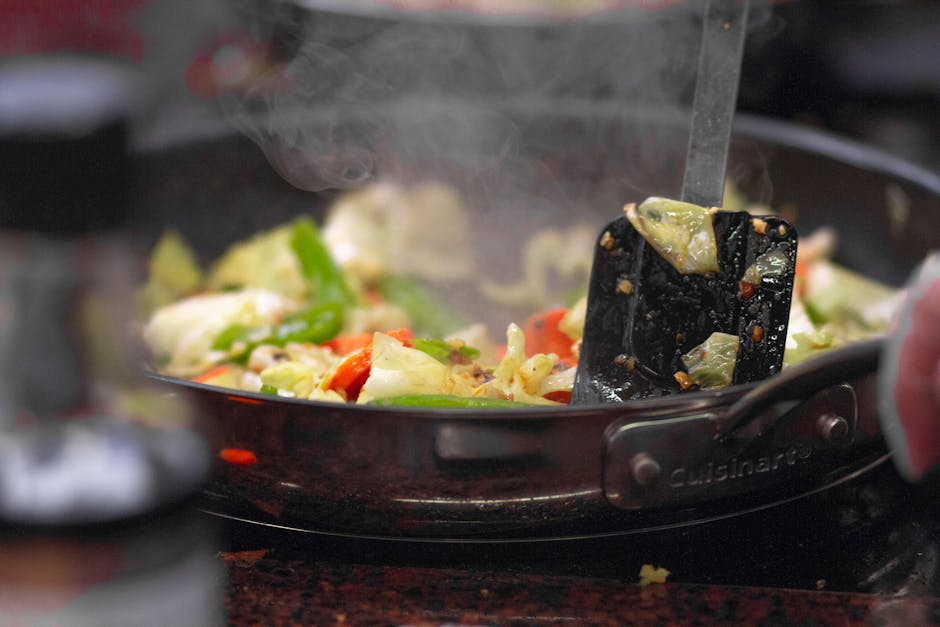
The actual stir-frying process is a fast-paced, high-heat ballet. It’s where the magic happens, and in a sister style setting, it’s a testament to synchronized effort and clear communication. The wok needs to be scorching hot before any ingredients are added. One sibling might be in charge of managing the heat, ensuring it stays at the optimal level, while the other is responsible for adding ingredients in the correct order. Generally, aromatics like garlic and ginger go in first, followed by the protein, and then the harder vegetables that require longer cooking times, like broccoli and carrots. Softer vegetables, like snap peas and spinach, are added towards the end to retain their crispness and vibrant color. Tossing and stirring are continuous, requiring agility and coordination. This is where sibling synergy is key. "Add the chicken now!" one might call out, or "More heat, please!" This constant, brief communication ensures nothing gets overcooked or undercooked. It’s a dance of timing and precision, and observing each other’s movements can lead to a deeper understanding of stir-fry techniques. The goal is to achieve that coveted "wok hei" – the smoky, slightly charred flavor that comes from high-heat cooking. A sister style stir-fry allows for shared responsibility in achieving this. One sibling might be the primary stir-fryer, while the other acts as a second pair of hands, adding sauces at the precise moment or tossing in finishing ingredients like fresh herbs or toasted sesame seeds. This collaborative energy transforms a potentially chaotic process into a smoothly executed culinary performance.
Beyond the delicious food, the benefits of engaging in sister style stir-fry are profound and far-reaching. Primarily, it serves as an exceptional bonding activity. In our increasingly digital lives, shared experiences in the physical world are invaluable. The act of working together towards a common goal, overcoming minor obstacles, and celebrating the success of a delicious meal fosters a deeper connection between siblings. It creates shared memories and inside jokes that can last a lifetime. For younger siblings, it’s an invaluable opportunity to learn cooking skills from their older counterparts, building confidence and independence in the kitchen. For older siblings, it’s a chance to mentor and share their knowledge, reinforcing their own understanding of culinary techniques. It also teaches crucial life skills such as teamwork, problem-solving, and compromise. Navigating differing opinions on spice levels or vegetable choices, for instance, are mini-lessons in negotiation that extend far beyond the kitchen. Furthermore, sister style stir-fry promotes healthy eating habits. By cooking together, siblings are more likely to opt for fresh, wholesome ingredients and to control the amount of sodium and added sugars in their meals, as opposed to relying on takeout or processed foods. This shared culinary journey can instill a lifelong appreciation for good food and the satisfaction of preparing it oneself. It’s a foundation for healthy eating and positive family dynamics, all wrapped up in a flavorful, wok-seared package.
Overcoming common challenges in sister style stir-fry is integral to its long-term success. One prevalent issue is differing cooking experience levels. If one sibling is a seasoned chef and the other is a novice, it’s crucial for the more experienced sibling to be patient and act as a mentor, not a dictator. Breaking down tasks into smaller, manageable steps for the less experienced cook can build confidence. Conversely, if both siblings have similar but distinct skill sets, it’s about leveraging those strengths to create a well-rounded dish. Another challenge can be conflicting flavor preferences. This is where open communication and compromise are paramount. Suggesting a "build-your-own" component, where individuals can add their preferred toppings or sauces at the table, can be a great solution. For instance, one sibling might love chili flakes, while the other prefers a drizzle of sriracha. Both can be offered as options. Time constraints can also be a hurdle. In these instances, pre-chopped vegetables from the grocery store or using quick-cooking proteins like shrimp can be lifesavers. The key is to plan ahead and be realistic about what can be accomplished within the available timeframe. Finally, the potential for arguments or disagreements is always present in any close relationship. The best approach is to establish ground rules beforehand: focus on the task at hand, communicate respectfully, and remember that the ultimate goal is to create a delicious meal together and strengthen your bond. If a disagreement arises, taking a brief pause, breathing, and re-approaching the situation with a collaborative mindset is often effective. Embrace the imperfections; they often lead to the most memorable and humorous culinary adventures.
In conclusion, sister style stir-fry is more than just a cooking method; it’s a rich tapestry of collaboration, communication, and connection. It’s an opportunity for siblings to bond over a shared activity, learn from each other, and create delicious memories. By mastering the art of shared decision-making, effective division of labor, creative sauce-making, meticulous ingredient preparation, synchronized stir-frying, and by proactively addressing potential challenges, siblings can transform their kitchen into a hub of culinary harmony. This approach not only yields incredibly flavorful and customizable meals but also strengthens the very fabric of sibling relationships. So, the next time you’re considering a weeknight meal, think beyond individual cooking and embrace the power of sister style stir-fry. It’s an investment in both a fantastic meal and an enduring bond.

